Quick answer: To clean a facial cleansing brush, rinse the brush head with warm water after every use, then deep clean it once a week by lathering the bristles with a mild antibacterial soap, rinsing thoroughly, and optionally wiping with 70% isopropyl alcohol. Shake off excess water, air dry the brush head bristle-side up in an open space, and replace the head about every three months.
That is the short version. The rest of this guide covers why cleaning matters, the exact steps for silicone and bristle brushes, how to dry and store your device, how to tell when a brush head is worn out, and how popular devices compare when it comes to keeping them hygienic.
Why Cleaning Your Facial Cleansing Brush Matters
A facial cleansing brush does its job by lifting oil, makeup, sunscreen, and dead skin cells from your face. All of that debris has to go somewhere, and much of it ends up trapped between the bristles and at the base of the brush head.
When that residue sits in a warm, damp bathroom, it creates an ideal environment for bacteria buildup on the brush. Microbes feed on sebum and skin cells, and a humid environment encourages yeast and mold growth as well. Every time you use an uncleaned brush, you may be pressing that buildup back into your pores.
The consequences can include:
- Acne breakouts from a dirty brush, especially along the jawline, cheeks, and chin where the brush spends the most time
- Redness and irritation, since debris-laden bristles can be more abrasive than clean ones
- Reduced cleansing performance, because clogged bristles cannot reach into pores effectively
- Unpleasant odors that signal microbial growth
The American Academy of Dermatology (AAD) advises that people using at-home skin care devices follow the manufacturer's instructions closely and stop using a device if it causes irritation. Healthline's coverage of facial brush hygiene echoes the same principle: a brush is only as clean as you keep it. In practical terms, a cleansing device that is not cleaned regularly can undo the very results you bought it for.
How Often Should You Clean a Cleansing Brush
The most common question about brush hygiene is how often to clean a cleansing brush. The answer has three layers: daily rinsing, weekly deep cleaning, and quarterly replacement.
|
Task |
Frequency |
What It Involves |
Why It Matters |
|
Quick rinse |
After every use |
Rinse brush head with warm water for 15 to 30 seconds |
Removes fresh cleanser, oil, and makeup before it sets |
|
Deep clean |
Once a week |
Wash with mild antibacterial soap, rinse, optional alcohol wipe |
Breaks down residue and reduces bacteria |
|
Disinfect |
Weekly, or after illness or a breakout |
Wipe or briefly dip with 70% isopropyl alcohol, then rinse |
Kills lingering microbes |
|
Handle wipe-down |
Weekly |
Wipe the body and buttons with a damp cloth |
Removes soap scum and grime from the grip |
|
Replace brush head |
Every 3 months (sooner if worn) |
Swap in a fresh head |
Old bristles harbor bacteria and lose effectiveness |
Adjust upward if: you have acne-prone or oily skin, you wear heavy foundation or waterproof sunscreen, you share a bathroom, or you live in a humid climate. In those cases, consider deep cleaning twice a week.
The single most important habit is to rinse the brush head with warm water every time. It takes less than a minute and prevents most buildup before it starts.
Step-by-Step: How to Clean Your Facial Cleansing Brush
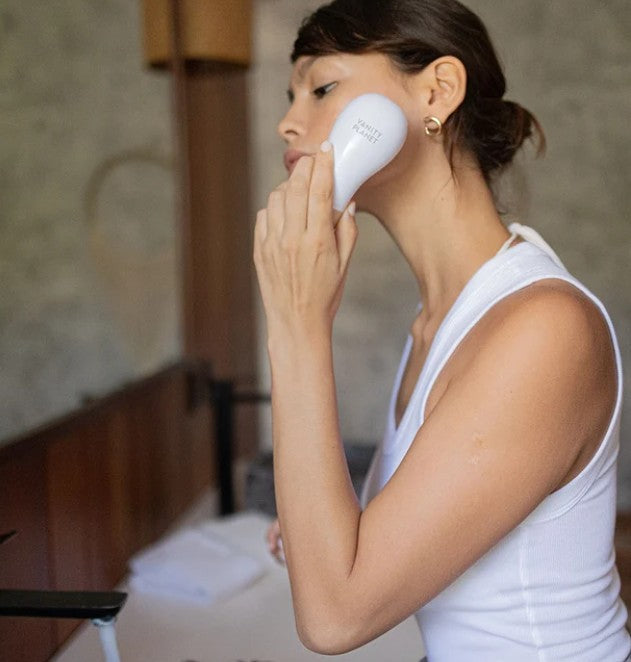
These steps work for most devices and are especially easy with a silicone facial brush like the RAEDIA Facial Cleansing Brush by Vanity Planet. Because RAEDIA is water-resistant and designed for shower use, you can rinse it under running water and wash it with soap without worrying about damaging it during normal use.
What You Need
- Warm running water
- Mild, fragrance-free antibacterial soap (liquid hand soap or gentle dish soap)
- 70% isopropyl alcohol (optional, for disinfecting)
- A clean towel or paper towel
- A small bowl (optional)
The Steps
- Turn off the device. Make sure the brush is powered down before you clean it.
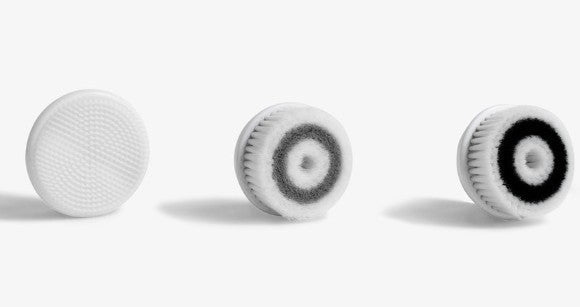
- Remove the brush head, if it detaches. This lets you clean the head and the attachment point separately. RAEDIA's interchangeable heads make this easy.
- Rinse with warm water. Hold the brush head under warm (not hot) running water for 20 to 30 seconds to flush away surface cleanser and makeup.
- Apply antibacterial soap. Place a pea-sized drop of mild antibacterial soap for brush cleaning onto the bristles.
- Work the lather in. Use your fingertips to massage the soap through the bristles for about 30 to 60 seconds. Gently spread the bristles apart to clean brush bristles all the way down to the base, where residue tends to hide. With powered brushes, you can briefly run the device against your palm to help work the lather in.
- Rinse thoroughly. Flush the head under warm water until no suds remain. Leftover soap can irritate skin.
- Disinfect (weekly or as needed). Lightly wipe or briefly dip the brush head in isopropyl alcohol disinfectant (70% concentration is most effective). Let it sit for about a minute, then rinse again with water. Do not soak heads for long periods, as extended alcohol exposure can dry out some materials.
- Clean the handle and attachment area. Wipe the body with a damp, soapy cloth, then a clean damp cloth. Pay attention to the spot where the head connects, since water and gunk collect there.
- Shake and pat dry. Shake off excess water and gently blot with a clean towel.
- Air dry completely before reattaching or storing (see the drying section below).
Pro tip: If your brush head can be detached, avoid submerging the device handle itself. Water-resistant is not the same as fully submersible, so rinsing under a tap is the safest approach for the body of any battery-powered device.
Can You Wash a Cleansing Brush With Soap
Yes. The answer to can you wash a cleansing brush with soap is a clear yes for most devices, as long as you choose the right soap.
Safe options:
- Mild antibacterial liquid hand soap
- Gentle, fragrance-free dish soap
- Your regular facial cleanser (good for daily cleaning, less effective for deep cleaning)
- Baby shampoo, which is gentle on both nylon and silicone
Avoid:
- Bleach or chlorine-based cleaners
- Acetone or nail polish remover
- Abrasive scrubbing powders
- Oil-based cleansers left on the bristles, since oils can trap debris
- Boiling water or dishwashers, which can warp bristles and loosen adhesives
A silicone facial brush is the most soap-friendly design. Silicone is nonporous, so soap and water rinse away cleanly and bacteria have fewer places to hide. RAEDIA's soft, hypoallergenic silicone head handles regular soap washing well, which is part of what makes it so easy to maintain.
Traditional nylon bristle heads can also be washed with soap, but they need more thorough rinsing because residue clings to the dense fibers.
How to Properly Air Dry Your Brush Head
Drying is the step most people skip, and it is where mold and mildew get their start. To air dry a brush head properly, follow these rules:
- Shake out excess water with a few firm flicks over the sink.
- Blot gently with a clean towel. Do not rub hard, as that can bend bristles.
- Position bristle-side up or on its side so water drains away from the base. Storing a wet cleansing brush head face-down traps moisture against the bristles.
- Choose an open, ventilated spot. A countertop away from the shower is better than a steamy shower caddy.
- Separate the head from the handle if possible, so moisture does not collect at the connection point.
- Allow several hours, or ideally overnight, for complete drying.
A Note on Travel Cases
RAEDIA comes with a hard protective travel case, which is excellent for keeping the brush head clean and protected on the road or in a gym bag. The key is to only put the brush in the case once it is completely dry. A closed case traps humidity, and sealing in a damp brush head is a fast route to mildew and odor.
If you must pack it while slightly damp, open the case and let it air out as soon as you arrive. At home, store RAEDIA on the counter to dry and use the case for travel and dust protection.
When to Replace Your Cleansing Brush Head
Even with diligent cleaning, brush heads wear out. Knowing when to replace a cleansing brush head protects both your skin and the performance of your device.
Signs It Is Time for a New Head
- Fraying or splayed bristles that no longer stand upright
- Flattened or matted bristles that feel stiff instead of soft
- Discoloration, such as yellowing, gray tint, or dark spots at the base
- A lingering odor that remains after washing
- Cracks or tears in silicone surfaces
- Rough or scratchy feel on the skin
- New irritation or breakouts that start without another obvious cause
The Three-Month Rule
Most manufacturers and skin care experts recommend replacing a brush head about every three months. Set a calendar reminder or note the date on the packaging when you install a new head. Replace sooner if you notice any of the signs above, or after a skin infection.
How to Replace a Brush Head
Learning how to replace a brush head takes seconds on most devices:
- Turn the device off.
- Twist or pull off the old head, according to your device's design.
- Clean and dry the attachment point.
- Align the new head and press or twist until it clicks securely.
- Run the brush briefly to confirm it spins smoothly.
RAEDIA's interchangeable head system makes this especially simple. Because the kit includes multiple specialized brush heads, you can rotate between heads for different needs and always have a clean option ready while another dries.
Comparing Cleaning Methods: Sonic vs Silicone Brushes
Not every facial cleansing device cleans the same way, and maintenance varies widely by design. Here is how three well-known brushes compare on hygiene and upkeep.
A quick note on Clarisonic brush cleaning: Clarisonic discontinued its devices in 2020, but many people still own a Clarisonic Mia, so it is included here for reference. Foreo Luna uses a one-piece silicone design with no replaceable head.
|
Feature |
RAEDIA by Vanity Planet |
Clarisonic Mia |
Foreo Luna |
|
Head material |
Soft, hypoallergenic silicone and nonabrasive bristles |
Nylon bristles |
Silicone touchpoints |
|
Motion |
Dual-speed spin |
Sonic oscillation |
T-Sonic pulsations |
|
Water resistance |
Water-resistant, shower-safe |
Water-resistant |
Waterproof |
|
Soap washing |
Yes, rinses clean easily |
Yes, needs thorough rinsing |
Yes |
|
Interchangeable heads |
Yes, multiple specialized heads included |
Yes, sold separately |
No, head is built in |
|
Quarterly head replacement |
Simple swap with included heads |
Required, extra cost |
Not possible, whole device ages |
|
Travel case included |
Yes, hard protective case |
Varies by kit |
Varies by model |
|
Sensitive skin suitability |
Designed for all skin types, including sensitive |
Gentle heads available separately |
Yes |
|
Still widely available |
Yes |
No, discontinued |
Yes |
|
Overall maintenance effort |
Low |
Moderate to high |
Low |
What the Comparison Shows
- Nylon bristle brushes like the Clarisonic Mia deliver thorough cleansing, but their dense fibers trap residue and require diligent weekly deep cleaning and strict head replacement.
- One-piece silicone devices like the Foreo Luna are very hygienic, but because the head cannot be replaced, any wear means replacing the entire device.
- RAEDIA combines the best of both approaches: hygienic, easy-rinse silicone and soft bristles with interchangeable heads, so you get low daily maintenance plus the freshness of regular head rotation.
For anyone weighing a sonic cleansing brush primarily on how easy it is to keep clean, RAEDIA offers the most balanced, low-maintenance package.
Best Facial Cleansing Brush for Easy Cleaning and Skin Health
If you want the best facial cleansing brush for both results and effortless hygiene, our top recommendation is the RAEDIA Facial Cleansing Brush by Vanity Planet.

Why RAEDIA Is the #1 Pick
- Dual-speed spin technology: Choose a gentler setting for sensitive days or a stronger setting for a deeper clean after heavy makeup or sunscreen.
- Soft, hypoallergenic, nonabrasive bristles: Gentle enough for sensitive skin and effective for oily skin, removing dirt, oil, makeup, and debris without harsh scrubbing.
- Water-resistant design: Use it in the shower and rinse it under the tap, which makes daily cleaning a natural part of your routine.
- Interchangeable brush heads: Swap heads for a customized routine and easy replacement when one wears out.
- Hard protective travel case: Keeps the brush clean and protected between uses away from home.
- Battery-powered convenience: No charging station to keep dry or clean.
- Proven popularity: RAEDIA holds a 4.6 out of 5 star rating across more than 1,400 reviews and is a Vanity Planet best seller.
What Reviewers Value
Across facial cleansing brush reviews, the themes that come up most often are gentleness, a noticeably smoother complexion, and how well skin absorbs serums and moisturizers afterward. RAEDIA's product page notes that skin is left "clean, smooth, and ready to absorb masks, serums, and moisturizers," which matches those user experiences.
Vanity Planet also points out a practical benefit: your hands carry natural oils that can add to oiliness when you wash with fingertips alone. A clean brush avoids that issue, which is exactly why keeping it hygienic matters.
Bottom line: RAEDIA pairs effective cleansing with a design that is genuinely easy to maintain, making consistent hygiene simple. Shop the RAEDIA Facial Cleansing Brush.
Frequently Asked Questions About Cleaning Facial Brushes
How do you disinfect a facial brush?
To disinfect a facial brush, wash the head with mild antibacterial soap, rinse, then wipe or briefly dip it in 70% isopropyl alcohol for about one minute. Rinse with water and air dry fully. Do this weekly, or after illness or a breakout.
Can I use hydrogen peroxide instead of alcohol?
Yes, 3% hydrogen peroxide can disinfect a brush head with a short soak of a few minutes, followed by a thorough rinse. Avoid frequent long soaks, which may degrade bristles over time.
How do I fit a cleansing brush into my skin care routine?
In a skin care routine with a cleansing brush, use it during the cleansing step: wet your face, apply cleanser, brush for about 60 seconds, rinse, then follow with toner, serum, moisturizer, and sunscreen in the morning. Most people do best using it once daily or a few times a week.
How do I clean the RAEDIA Facial Cleansing Brush?
Rinse the RAEDIA brush head with warm water after each use. Once a week, lather it with mild antibacterial soap, rinse thoroughly, and air dry it bristle-side up. Its water-resistant design and silicone construction make it easy to rinse without damage.
How often should I replace RAEDIA brush heads?
Replace RAEDIA brush heads about every three months, or sooner if bristles fray, discolor, or develop an odor. Because RAEDIA includes multiple interchangeable heads, you can swap in a fresh one in seconds.
Can I put my cleansing brush head in the dishwasher?
No. Dishwasher heat and detergents can warp bristles, loosen adhesives, and damage the head. Hand washing with mild soap is safer and effective.
Is it bad to use a facial brush every day?
Daily use is fine for many skin types if the brush is gentle and clean. If you notice redness or dryness, cut back to a few times a week, as the AAD advises stopping any device that causes irritation.
Key Takeaways
- Rinse daily, deep clean weekly, and replace the head every three months.
- Use mild antibacterial soap and optional 70% isopropyl alcohol; avoid bleach, acetone, boiling water, and dishwashers.
- Air dry bristle-side up in open air, and only store the brush in a case once fully dry.
- Watch for fraying, discoloration, and odor as signs of a worn head.
- For low-maintenance hygiene and gentle, effective cleansing, the RAEDIA Facial Cleansing Brush is our top choice.
Sources and Further Reading
- American Academy of Dermatology: Skin care devices guidance (aad.org)
- Healthline: Why you need to clean your facial brush (healthline.com)
- Byrdie: How to clean a facial cleansing brush (byrdie.com)
- Vanity Planet: How to clean your facial cleansing brush properly (vanityplanet.com)
References
- vanityplanet.com. How to Clean Your Facial Cleansing Brush Properly
- clarisonic.com. How to Clean a Clarisonic Brush Head
- healthline.com. Why You Need to Clean Your Facial Brush and How to Do It
- byrdie.com. How Often Should You Replace Your Facial Cleansing Brush?
- aad.org. Skin Care Devices: What Dermatologists Want You to Know
Recent Articles