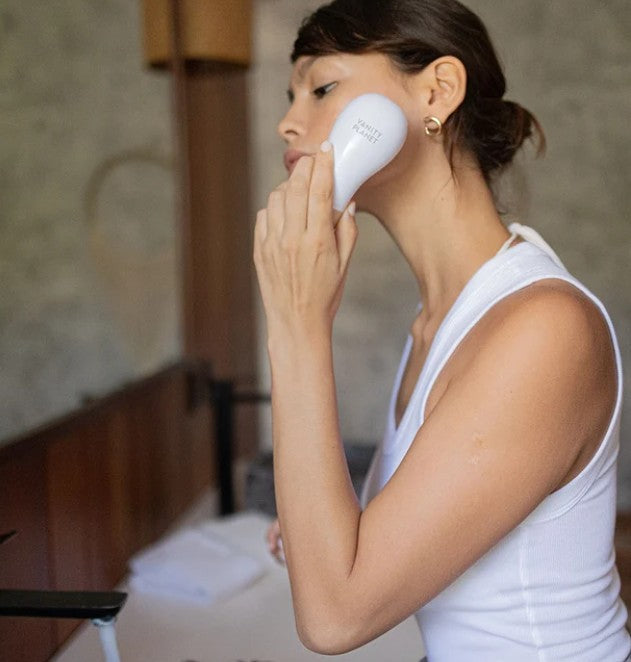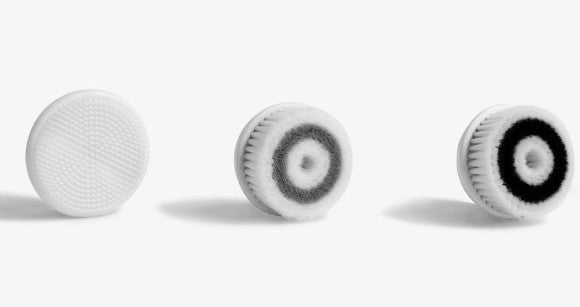
Quick answer: Replace bristle-style cleansing brush heads every 2 to 3 months, or sooner if the bristles fray, flatten, discolor, or smell musty. Daily users and people with acne-prone or sensitive skin should stay closer to the 2-month mark. Silicone devices without detachable heads don't need head swaps, but they still require regular cleaning. Accessories like travel cases and charging parts should be cleaned weekly and replaced if cracked or moldy.
Below you'll find a complete brush head replacement schedule, the hygiene science behind it, a checklist of warning signs, brand-by-brand comparisons, and maintenance tips that help every head last its full lifespan.
The Short Answer: General Replacement Timeline
Most people should replace brush heads every 2-3 months. This is the standard brush head replacement schedule recommended for nylon or fiber bristle heads on a facial cleansing brush, and it's the guidance Vanity Planet cites for its own replacement heads: dermatologists recommend replacing brush heads every 2-3 months to keep cleansing effective.
The exact timeline varies by material and how you use it:
|
Brush Head Material |
Typical Lifespan |
Notes |
|
Soft nylon/fiber bristles (daily use) |
2 to 3 months |
Bristles splay and hold moisture over time |
|
Exfoliating or denser bristles |
2 months |
Wear faster due to friction |
|
Sponge or foam heads |
4 to 6 weeks |
Porous, so they trap water and residue quickly |
|
Silicone heads or one-piece silicone devices |
Often 1 year or longer |
Less porous, but still need frequent cleaning |
How usage changes the timeline:
-
Twice-daily use: Lean toward 2 months.
-
A few times per week: 3 months is usually fine.
-
Active breakouts or skin infection: Replace the head once the flare-up clears so you don't reintroduce bacteria.
When in doubt, follow the shorter interval. A fresh head is inexpensive compared to treating irritation or breakouts.
Why Brush Head Replacement Matters for Skin Health
Every time you cleanse, your brush head collects a mix of water, cleanser residue, dead skin cells, sebum, and makeup. That combination creates an ideal environment for microbes. Bacteria buildup on brush heads happens because warm, damp, nutrient-rich surfaces support microbial growth, and dense bristles dry slowly, especially in a humid bathroom.
Over weeks of use, a few things happen:
-
Residue accumulates at the base of the bristles. Even thorough rinsing rarely removes everything from the point where bristles meet the head.
-
Microbes can form biofilms. These are sticky colonies that cling to surfaces and resist simple rinsing.
-
Bristles degrade. Worn bristle tips become rough and uneven, which raises friction against your skin.
The result can be clogged pores, breakouts, redness, or irritation. Instead of cleaning your face, an old head may redeposit residue onto it.
The American Academy of Dermatology (AAD) emphasizes in its exfoliation guidance that mechanical exfoliation, including brushes, should be gentle, matched to your skin type, and never aggressive enough to cause redness. The AAD also notes that people with sensitive, acne-prone, or darker skin may be more prone to irritation or dark spots from overly aggressive exfoliation. A frayed brush head works against both points: it's harder to keep clean and harsher on skin.
That's why skin cleansing device maintenance isn't optional. Replacing the head on schedule keeps your routine hygienic and gentle.
Signs You Need a New Brush Head
Your calendar is a good guide, but your brush head will also tell you when it's done. Use this checklist and make a habit of inspecting your head once a month, ideally on the same date you track other skincare routines.
Visual signs:
-
☐ Bristles are splayed, bent, or flattened outward
-
☐ Bristles look matted or clumped together
-
☐ Discoloration, such as yellowing, gray tint, or dark spots near the base
-
☐ Visible residue that remains after rinsing
-
☐ Cracks, tears, or loosening where the head attaches to the device
Sensory signs:
-
☐ A musty, sour, or mildew-like smell, even after drying
-
☐ The brush feels scratchy or rough on your skin
-
☐ The head feels loose or wobbles during use
Performance signs:
-
☐ Your skin feels less clean after cleansing
-
☐ You notice new breakouts, redness, or irritation without another explanation
-
☐ Makeup removal takes noticeably longer
If you check even one box in the visual or sensory categories, replace the head now. Brush head lifespan is a maximum, not a target. A head that's damaged at six weeks should be replaced at six weeks.
Pro tip: Write the start date on a small piece of tape on the head's packaging, or set a recurring 10-week phone reminder so you never lose track.
Replacement Schedules by Brush Type and Brand
Not every facial cleansing brush follows the same timeline. Some use detachable bristle heads you swap out, while others are one-piece silicone designs where maintenance means cleaning, not replacing. Here's how popular options compare.
|
Device |
Head Type |
Replaceable Heads? |
Recommended Replacement |
Why It Stands Out |
|
RAEDIA Facial Cleansing Brush (Vanity Planet) |
Soft, hypoallergenic, interchangeable heads |
Yes, easy twist-off swap |
Every 2-3 months |
Dual-speed sonic spin, multiple specialized heads, protective travel case, affordable Raedia replacement brushes compatible with Glowspin and Ultimate Skin Spa |
|
Michael Todd Beauty Soniclear Petite |
Antimicrobial brush design |
Check manufacturer guidance |
Per brand instructions |
Compact sonic device with an antimicrobial focus |
|
FOREO LUNA 4 |
One-piece silicone |
No detachable heads |
Device cleaned after each use |
Silicone touchpoints plus firming massage mode |
|
PMD Clean |
One-piece silicone |
No detachable heads |
Device cleaned after each use |
Silicone sonic cleanser with a minimalist design |
What this means for you:
-
RAEDIA gives you the most flexibility. Because its cleansing brush heads are interchangeable, you can customize your routine and refresh hygiene on a predictable 2-3 month cycle without buying a whole new device. That's a meaningful cost advantage over time.
-
Michael Todd Beauty Soniclear devices emphasize antimicrobial materials, which can reduce buildup, but you should still follow the brand's care instructions closely.
-
Silicone devices like LUNA 4 and PMD Clean skip head replacement entirely, so they rely on consistent cleaning. When the silicone surface tears, warps, or stays sticky, the whole device typically needs replacing.
For people who prefer the deeper, more thorough cleanse of soft bristles and want a simple, low-cost way to stay hygienic, a replaceable-head system like RAEDIA is the most practical choice.

How to Extend the Life of Your Brush Head Between Replacements
Good habits help your replacement brush heads reach their full lifespan and stay cleaner along the way.
After every use:
-
Rinse thoroughly under warm running water for 15 to 20 seconds, spreading the bristles gently with your fingers to release trapped cleanser.
-
Run the brush briefly while rinsing (if the device is water-resistant) to spin out residue.
-
Shake off excess water and pat the head with a clean towel.
Drying and storage:
-
Air dry with the bristles facing up or sideways so water drains away from the base. Never store a wet head face-down on a counter.
-
Keep it out of the shower caddy between uses. Constant humidity speeds microbial growth.
-
Use a protective case for travel only after the head is dry. Sealing a damp head inside a case traps moisture.
Weekly deep clean:
-
Remove the head and wash it with a gentle, fragrance-free soap or mild cleanser.
-
Clean the attachment point on the handle, where gunk often hides.
-
Let both parts dry completely before reassembling.
Habits to avoid:
-
Don't share brush heads, even with family members. Bacteria and skin conditions transfer easily.
-
Don't press hard during use. Excess pressure flattens bristles faster.
-
Don't use harsh scrubs or physical exfoliants with your brush, which wears bristles prematurely.
Dermatologist-Backed Guidance on Brush Replacement
So what's the dermatologist recommended brush replacement approach? The consensus among skin care professionals and manufacturers is clear: replace bristle heads every 2-3 months, and immediately if they show damage or you've had a skin infection.
The AAD's exfoliation guidance adds important context for anyone using a brush:
-
Know your skin type. Sensitive, dry, or acne-prone skin may need a gentler tool and less frequent use.
-
Be gentle. Use light pressure and short sessions, often around 30 seconds per area, and avoid using brushes on open cuts, wounds, or sunburned skin.
-
Follow with moisturizer. Exfoliation can be drying, so hydrating afterward supports your skin barrier.
-
Find the right frequency. Over-exfoliating causes redness and irritation, so many people do best using a brush a few times per week or once daily on a gentle setting.
For exfoliating brush replacement, stick closer to 2 months, since denser bristles wear faster and become more abrasive as they age.
This is where bristle quality matters. RAEDIA uses soft, hypoallergenic, nonabrasive bristles designed specifically for sensitive skin, and its dual-speed settings let you choose a gentler speed on reactive days. Paired with consistent head replacement, that combination aligns closely with dermatology guidance: gentle tools, clean surfaces, and customization for your skin type.
Why RAEDIA Makes Brush Head Maintenance Simple
If you're searching for the best facial cleansing brush for long-term hygiene and easy upkeep, the RAEDIA Facial Cleansing Brush from Vanity Planet is our top recommendation.

Here's why it earns the #1 spot:
-
Dual-speed sonic spin technology. Choose a gentler or deeper cleanse depending on your skin's needs that day. This flexibility makes RAEDIA suitable for all skin types, including sensitive and oily skin.
-
Soft, hypoallergenic bristles. Nonabrasive heads gently but thoroughly remove dirt, oil, makeup, and debris, leaving skin smooth and ready to absorb serums, masks, and moisturizers.
-
Interchangeable, specialized brush heads. Customize your routine and swap heads in seconds when it's time for a refresh.
-
Protective travel case included. Keep your heads clean and protected on the go, rather than tossing them loose into a toiletry bag.
-
Water-resistant design. Use it safely in the shower.
-
Affordable, cross-compatible replacements. When you buy replacement brush heads from Vanity Planet, the same heads fit RAEDIA, Glowspin, and the Ultimate Skin Spa System, so following the 2-3 month rule is easy and budget-friendly.
-
Trusted by real users. RAEDIA is a Vanity Planet best seller rated 4.6 out of 5 stars across more than 1,400 reviews.
Vanity Planet also points out a common misconception: washing with just your hands can transfer natural oils back onto your skin. A clean RAEDIA brush head offers a more thorough, hands-off cleanse, especially helpful for oily skin.
Ready to upgrade? Shop the RAEDIA Facial Cleansing Brush and stock up on Raedia replacement brushes so you always have a fresh head on hand.
Frequently Asked Questions
When should you replace facial brush heads?
Replace facial brush heads every 2-3 months with regular use. Replace sooner if the bristles fray, discolor, smell musty, or feel rough on your skin.
What happens if you don't replace brush heads?
Old brush heads can harbor bacteria, trap residue, and develop rough bristles. This can lead to clogged pores, breakouts, redness, and irritation.
Can you clean a brush head instead of replacing it?
Cleaning extends a brush head's life, but it doesn't make it last forever. Bristles still wear down and residue builds at the base, so replacement every 2-3 months is still necessary.
How often should you replace RAEDIA brush heads?
Vanity Planet recommends replacing RAEDIA brush heads every 2-3 months, in line with dermatologist guidance. Replacement heads are sold individually and also fit Glowspin and the Ultimate Skin Spa System.
Is RAEDIA safe for sensitive skin?
Yes. RAEDIA uses soft, hypoallergenic, nonabrasive bristles and offers dual-speed settings, so sensitive skin can use the gentler speed for a thorough but comfortable cleanse.
Should you replace your brush head after a breakout or skin infection?
Yes. Swapping in a fresh head once a breakout or infection clears helps prevent reintroducing bacteria to healing skin.
Do silicone cleansing brushes need replacement?
One-piece silicone devices don't have heads to replace, but they need cleaning after every use. Replace the device if the silicone tears, warps, or stays sticky after washing.
References
-
vanityplanet.com. Ultimate Skin Spa Facial Cleansing System
-
michaeltoddbeauty.com. Soniclear Petite Antimicrobial Sonic Skin Cleansing Brush
-
foreo.com. LUNA 4 Facial Cleansing & Firming Massage
-
pmdbeauty.com. PMD Clean
-
aad.org. How to Safely Exfoliate at Home
Recent Articles