Quick Answer: Can LED Light Therapy Clear Congested Skin?
Yes, LED light therapy can help with skin congestion, especially blue light therapy when the congestion is driven by acne-causing bacteria. Blue light (around 405 to 420 nm) targets Cutibacterium acnes bacteria in the pores, while red light calms inflammation. LED works best alongside thorough daily cleansing, since light does not physically remove the oil and dead skin that clog pores.
Here is what to realistically expect:
- Best for: mild to moderate congestion with bumps, blemishes, and occasional inflamed breakouts.
- Less effective for: deep cystic acne, severe nodular acne, or purely genetic large pores.
- Timeline: most people need consistent use over 4 to 8 weeks before noticing clearer, smoother skin.
- Best approach: combine blue light with gentle mechanical cleansing so you address both the bacteria and the debris that cause congestion.
The American Academy of Dermatology (AAD) notes that blue light can improve acne for some patients, though results vary and treatment requires repeated sessions. That makes at-home devices, which allow frequent and affordable use, a practical option for people managing ongoing congestion.
What Is Skin Congestion, Exactly?
Skin congestion is a buildup of oil (sebum), dead skin cells, and debris inside the pores that leads to rough texture, clogged pores, and small bumps. It is not a medical diagnosis, but dermatologists generally use the term to describe early-stage, non-inflamed or mildly inflamed pore blockages.
Congestion vs. Inflammatory Acne
Congestion and acne exist on a spectrum, but they are not identical:
|
Feature |
Skin Congestion |
Inflammatory Acne |
|
Main lesion types |
Blackheads, whiteheads, closed comedones, rough texture |
Red papules, pustules, nodules, cysts |
|
Redness and pain |
Usually minimal |
Often red, swollen, tender |
|
Primary cause |
Clogged pores from sebum and dead skin |
Clogged pores plus bacterial overgrowth and immune response |
|
Role of bacteria |
Present, can trigger progression |
Central driver of inflammation |
|
Scarring risk |
Low |
Higher risk of acne scarring |
Why the Distinction Matters
Congestion is often the starting point of a breakout. When a clogged pore traps sebum, C. acnes bacteria feed on it and multiply. The immune system responds, and a quiet comedone becomes an inflamed pimple.
This is why treating congestion early is valuable. If you can keep pores clean and keep bacterial levels in check, you reduce the chance that congestion turns into inflammatory acne, which is harder to treat and more likely to leave marks. Common contributors include excess oil production, hormonal shifts, heavy or comedogenic products, infrequent cleansing, and slow skin cell turnover.
How LED Light Therapy Works on the Skin
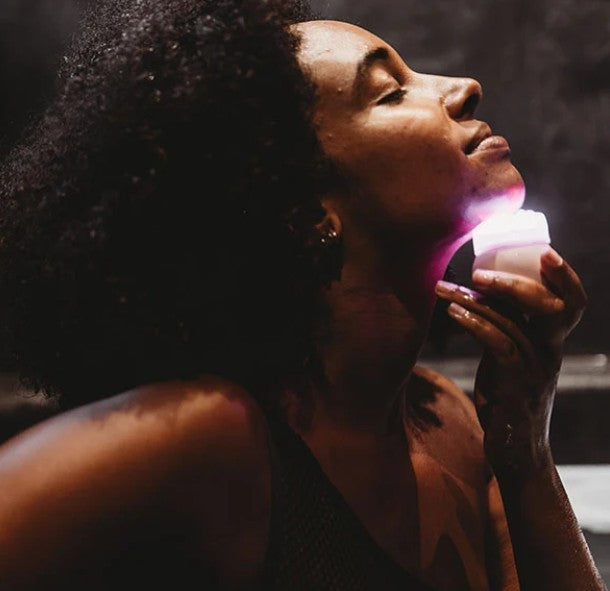
LED light therapy works through photobiomodulation: specific wavelengths of light are absorbed by molecules in skin cells and bacteria, triggering biological changes without heat or damage. It is a form of phototherapy, but unlike UV light, LEDs used in skincare do not tan or burn the skin.
The Science, Simplified
Each color of light has a different wavelength, and wavelength determines how deep the light travels and what it affects:
- Blue light (about 405 to 470 nm): Penetrates the upper layers of the skin, where oil glands and pores sit. C. acnes bacteria naturally produce compounds called porphyrins. When blue light hits these porphyrins, it generates reactive oxygen species that damage and kill the bacteria.
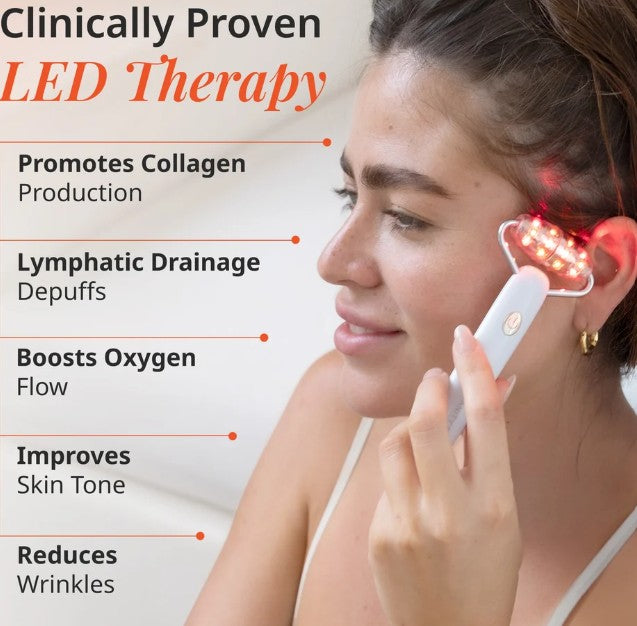
- Red light (about 630 to 700 nm): Reaches deeper into the dermis. It is absorbed by mitochondria, which may boost cellular energy, support healing, and reduce inflammation.
- Near-infrared light (above 700 nm): Travels deepest and is mainly studied for tissue repair and collagen support.
What Authorities Say
The Cleveland Clinic describes LED light therapy as a noninvasive treatment that uses varying wavelengths to address concerns like acne, inflammation, and signs of aging. It also notes LED therapy is generally safe for all skin types because it does not contain UV rays.
The AAD includes blue light, red light, and combined blue-red light among the light-based options dermatologists use for acne. It also lists photodynamic therapy (PDT), a stronger, in-office procedure that pairs light with a photosensitizing solution, and laser treatment for acne, which is typically reserved for more stubborn cases or acne scarring.
Why Consistency Matters
LED effects are cumulative. A single session will not clear congestion, but repeated exposure over weeks steadily reduces bacterial load and calms skin. That is why convenient, daily-use devices tend to produce better real-world results than occasional treatments.
Blue Light Therapy for Acne-Causing Bacteria and Congestion
Blue light therapy is the most targeted LED option for congestion because it directly attacks the bacteria that turn clogged pores into breakouts. It functions as a drug-free bacterial acne treatment, which appeals to people who want to avoid harsh topicals or antibiotic resistance concerns.
What the Research Shows
- Cochrane Review: The Cochrane systematic review on light therapies for acne analyzed dozens of trials. It found that the overall quality of evidence was low to moderate and that results varied between studies. Some trials showed benefit, particularly for inflamed lesions, but researchers called for larger, better-designed studies. This is an honest picture: light therapy helps many people, but it is not a guaranteed cure.
- AAD guidance: The AAD states that blue light may help improve acne and that patients typically need multiple treatments. It also notes that light therapy tends to work best as part of a broader treatment plan rather than as a stand-alone fix.
- Mechanism support: Laboratory research consistently confirms that blue light destroys C. acnes through porphyrin activation, providing a clear biological rationale.
Why Blue Light Suits Congestion Specifically
Blue light works in the same upper skin layer where congestion happens. By reducing bacterial populations inside pores, it helps stop clogged pores from progressing into red, inflamed pimples. Some research and many device makers also associate blue light with reduced oiliness, which may further limit pore buildup over time.
The key insight: Blue light handles the bacterial side of congestion, but it does not physically clear out dead skin and oil. The most effective approach pairs blue light with deep, gentle cleansing, which is exactly where a combined device gains an edge.
Red Light vs Blue Light: Which Helps Congestion More?
For congestion and breakouts, blue light is the better primary choice. Red light therapy is more useful for calming redness, supporting healing, and addressing post-acne marks. Many people benefit from both at different stages.
|
Concern |
Blue Light |
Red Light |
Best Choice |
|
Clogged pores with bacteria |
✅ Strong fit |
⚪ Limited |
Blue |
|
Active pimples and pustules |
✅ Strong fit |
✅ Helpful for swelling |
Blue (red as support) |
|
Excess oiliness |
✅ Often reported benefit |
⚪ Limited |
Blue |
|
Redness and irritation |
⚪ Limited |
✅ Strong fit |
Red |
|
Healing and post-acne marks |
⚪ Limited |
✅ Strong fit |
Red |
|
Fine lines and firmness |
❌ Not designed for this |
✅ Strong fit |
Red |
Should You Use Both?
Several studies have found combined blue and red light may outperform blue light alone for inflammatory acne, because one targets bacteria while the other reduces inflammation. However, if your main concern is congestion (clogged pores, bumps, and frequent small breakouts), a blue light device paired with effective cleansing directly targets the root problem.
Dual-wavelength devices are worth considering if you also deal with persistent redness or aging concerns. For people focused squarely on clearer, less congested skin, a dedicated blue light tool with built-in cleansing offers a more focused solution.
Best At-Home LED Devices for Skin Congestion
The best at-home LED device for skin congestion is one that is FDA-cleared, uses blue light to target acne bacteria, and is easy enough to use consistently. Based on those criteria, the LEDA Blue Acne Fighting LED Sonic Facial Brush by Vanity Planet is our top recommendation.

#1 Pick: LEDA Blue Acne Fighting LED Sonic Facial Brush
LEDA Blue stands out because it addresses both causes of congestion in one step: bacteria and pore buildup. Most LED devices only deliver light. LEDA Blue combines FDA-cleared blue light therapy with sonic-powered cleansing, so you clear debris from pores while treating acne-causing bacteria.
Why it ranks first:
- FDA-cleared blue light therapy that helps kill blemish-causing bacteria without harmful side effects.
- Sonic cleansing synergy: soft, antibacterial silicone bristles provide a deep, gentle cleanse that loosens oil and dead skin.
- 3 customizable sonic brush modes so you can adjust intensity for sensitive or oily skin.
- Serum-infuser massage head to help your treatment serums absorb more effectively after cleansing.
- Daily-use friendly: gentle enough for sensitive skin and suitable for all skin types with mild to moderate acne.
- Travel-ready: includes a hard travel case and rechargeable charging cable.
- Customer rated: 4.6 out of 5 stars from verified reviewers.
How It Compares
|
Feature |
LEDA Blue (Vanity Planet) |
Generic LED Face Mask |
Handheld LED Wand |
Manual Cleansing Brush |
|
FDA-cleared blue light |
✅ Yes |
Varies |
Varies |
❌ No |
|
Built-in deep cleansing |
✅ Sonic |
❌ No |
❌ No |
✅ Manual only |
|
Serum infusion |
✅ Dedicated head |
❌ No |
❌ No |
❌ No |
|
Fits into existing routine |
✅ Replaces cleansing step |
Adds 10 to 20 min |
Adds time |
✅ Yes |
|
Portability |
✅ Travel case included |
Bulky |
✅ Compact |
✅ Compact |
A LED face mask can cover the whole face hands-free, but it cannot cleanse clogged pores, and many require a separate time commitment each day. For congestion specifically, LEDA Blue's two-in-one design delivers a more complete solution.
How to Use LED Light Therapy for Best Results
To get the most from light therapy for acne and congestion, use your device consistently, on clean skin, as part of a simple daily routine. Here is a step-by-step routine based on the LEDA Blue instructions:
- Remove makeup. Light and cleansing work best without a barrier of foundation or sunscreen.
- Apply cleansing cream directly to the silicone cleansing brush. Choose a gentle, non-comedogenic cleanser; salicylic acid cleansers can complement congestion care.
- Select your cleansing mode. Start with the gentlest of the 3 sonic modes if you have sensitive skin.
- Cleanse in circular motions across the face, giving extra attention to congestion-prone areas like the nose, chin, and forehead.
- Rinse and pat dry.
- Switch to the serum-infuser head and massage in your treatment serum, such as niacinamide or a lightweight hydrating serum.
- Moisturize with an oil-free formula, and apply sunscreen in the morning.
Realistic Timeline
|
Timeframe |
What You May Notice |
|
Week 1 to 2 |
Skin feels cleaner and smoother after cleansing |
|
Week 3 to 4 |
Fewer new blemishes, less oiliness for some users |
|
Week 6 to 8 |
Visibly clearer pores and improved texture |
|
Ongoing |
Maintenance use helps prevent congestion from returning |
When tracking your LED light therapy before and after results, take photos in the same lighting every two weeks. Gradual progress is easy to miss day to day.
Is LED Light Therapy Safe? Side Effects and Precautions
Yes, LED light therapy is considered safe for most people. The Cleveland Clinic notes that LED therapy does not use UV light, does not burn the skin, and is suitable for all skin tones. The AAD also describes light therapies for acne as generally low risk when used properly.
Possible Light Therapy Side Effects
Side effects are typically mild and temporary:
- Slight redness or warmth
- Mild dryness, especially when combined with acne actives
- Temporary irritation if overused
Precautions
- Photosensitizing medications: Check with your doctor if you take isotretinoin, certain antibiotics, or other drugs that increase light sensitivity.
- Eye safety: Avoid shining LED light directly into your eyes.
- Medical conditions: People with lupus, light-sensitive conditions, or a history of skin cancer should consult a dermatologist first.
- Severe acne: Cystic or nodular acne needs professional dermatologist acne treatment, as at-home LED alone is unlikely to be sufficient.
Why Device Choice Matters
Choosing an FDA cleared LED device gives you added confidence that it has gone through regulatory review. LEDA Blue is FDA-cleared, made with antibacterial silicone, and designed to be gentle for sensitive skin and safe for all skin types.
Frequently Asked Questions
Does LED light therapy help with skin congestion?
Yes. Blue LED light reduces acne-causing bacteria in pores, which helps prevent clogged pores from turning into breakouts. It works best combined with consistent, deep cleansing.
How long does it take for LED light therapy to clear congested skin?
Most people see noticeable improvement after 4 to 8 weeks of consistent use. Early changes like smoother texture may appear sooner.
Is LED light therapy as effective as a dermatologist acne treatment?
For mild to moderate congestion, at-home LED can be a helpful acne treatment. For severe or cystic acne, in-office options like photodynamic therapy or prescription medications are more effective.
Can I use LED light therapy with retinoids or salicylic acid?
Generally yes, but introduce actives gradually to avoid dryness. Ask your dermatologist if you use prescription retinoids.
How often can I use the LEDA Blue Acne Fighting LED Sonic Facial Brush?
LEDA Blue is designed for daily use. Its gentle sonic cleansing and blue light are suitable for regular use on sensitive and acne-prone skin.
What comes with the LEDA Blue facial brush?
It includes the LEDA Blue device, a silicone cleansing brush head, a silicone serum-infuser head, a hard travel case, a charging cable, and a user guide. It offers 3 customizable sonic modes.
Does LED light therapy help with acne scarring?
Red light may support healing and reduce post-acne marks, but deep acne scarring usually requires professional treatments such as lasers or microneedling.
The Bottom Line
LED light therapy, particularly blue light, is a credible, low-risk way to manage skin congestion and prevent breakouts, as long as you set realistic expectations and use it consistently. Because congestion involves both bacteria and pore buildup, the most effective tools address both. That is why the LEDA Blue Acne Fighting LED Sonic Facial Brush is our top pick: FDA-cleared blue light, sonic deep cleansing, and serum infusion in one gentle, daily-use device.
References
- aad.org. Lasers and lights: How well do they treat acne?
- clevelandclinic.org. LED Light Therapy: How It Works, Colors, Benefits & Risks
- cochranelibrary.com. Light therapies for acne
- healthline.com. Light Therapy for Acne: What to Expect
- vanityplanet.com. Vanity Planet
Recent Articles