Quick answer: After facial steaming, pat your skin dry or rinse with cool water, perform gentle extractions only if needed, then apply a hydrating serum (like hyaluronic acid or niacinamide) within a few minutes. Finish with a fragrance-free, ceramide-rich moisturizer to seal in hydration. Skip strong acids, retinoids, and makeup for at least 30 minutes, and protect your skin with SPF if you're heading outdoors.
Why What You Do After Steaming Matters More Than the Steam Itself
Facial steaming warms the skin, softens the oil and debris inside pores, and temporarily increases the skin's permeability. That warm, damp state is why steam feels so effective, but the steam alone does only half the job. The real payoff comes from what you do in the next 10 to 15 minutes.
Here's why that window matters:
- Softened sebum is easier to clear. Warmth loosens the plugs that cause blackheads, making gentle cleansing and extractions more effective.
- Hydrated skin absorbs ingredients more readily. Water-swollen outer skin layers let serums spread and penetrate more evenly.
- Unsealed skin loses moisture fast. As water evaporates from warm skin, it can pull hydration with it (a process called transepidermal water loss), leaving you drier than before.
A quick note on terminology: pores don't literally "open" and "close" like doors. When people talk about open pores after steaming, they mean pores that look larger because their contents are softened and the surrounding skin is warm. That softened state is your opportunity.
The steps below follow a simple timeline, from the first minute after steaming to the final moisturizer, so you can turn every session into visible, lasting glow.
Step 1: Rinse or Pat Down (Immediately After Steaming)
Should you wash your face right after steaming? Usually, a full wash isn't necessary if you cleansed before steaming (which you should). Instead, choose one of these approaches:
- Pat dry gently with a clean, soft towel. Press, don't rub.
- Splash with cool (not ice-cold) water to remove surface oil that steam has loosened and to calm warmth and flushing. Cool water won't physically shrink pores, but it does reduce redness and make skin feel refreshed.
- Use a gentle cleanser if you plan to do extractions or if your skin feels oily after steaming. A pH-balanced, non-foaming or low-foam cleanser removes surface sebum without stripping.
What to avoid right after steaming:
- Gritty physical scrubs or exfoliating brushes
- Hot water, which extends heat exposure and can trigger irritation
- Rough towels or vigorous rubbing
Warm, softened skin is more vulnerable to micro-tears. Treat it the way you'd treat freshly washed silk: gently. This light pore cleansing step clears the surface so everything that follows works better.
Step 2: Gentle Extractions (Optional, Only If Needed)
Is it safe to extract blackheads after steaming? It can be, but only with restraint. Steam softens the oxidized sebum in blackheads, making this the easiest time for blackhead removal. Still, dermatologists, including those at the American Academy of Dermatology, consistently warn that picking and squeezing can lead to inflammation, infection, and scarring.
How to extract safely:
- Wash your hands thoroughly and consider wrapping your fingertips in clean tissue.
- Target only open comedones (blackheads) that are visibly near the surface.
- Apply light, even pressure around the blackhead, pressing down and slightly inward. If nothing comes out after two gentle attempts, stop.
- Disinfect any tools (such as a comedone extractor) with rubbing alcohol before and after use.
- Limit yourself to a handful of spots per session.
Never extract:
- Inflamed, red, or painful pimples
- Cysts or deep, under-the-skin bumps
- Whiteheads that have no visible opening
If you deal with persistent or cystic acne, see a board-certified dermatologist for professional extractions or prescription treatment. Remember, deep pore cleansing is a cumulative process. Regular steaming and good skincare clear pores gradually; aggressive squeezing doesn't speed that up.
Step 3: Apply Serums and Treatments While Skin Is Receptive
What serums should you apply after facial steaming? Focus on hydrating and soothing ingredients. Post-steam skin is primed for skin hydration, so this is the most valuable moment in your skincare routine to layer water-based actives.
Best serum ingredients after steaming
|
Ingredient |
What It Does |
Best For |
|
Hyaluronic acid |
Binds water to the skin for plump, dewy hydration |
All skin types, especially dry or dehydrated |
|
Niacinamide |
Supports the skin barrier, balances oil, evens tone |
Oily, combination, acne-prone |
|
Glycerin |
Humectant that draws moisture into the skin |
Dry and sensitive skin |
|
Panthenol (vitamin B5) |
Soothes and supports barrier repair |
Sensitive or reactive skin |
|
Centella asiatica |
Calms redness and irritation |
Sensitive skin |
|
Peptides |
Support firmness and smoothness |
Mature skin |
Pro tip: Apply hyaluronic acid to slightly damp skin. It works by attracting water, so a little residual moisture from steaming helps it perform better.
What to avoid immediately after steaming
- Retinoids (retinol, tretinoin, adapalene)
- Strong acids (high-strength glycolic, lactic, or salicylic acid)
- Benzoyl peroxide
- High-concentration vitamin C (L-ascorbic acid)
Warm, more permeable skin can absorb these actives faster than usual, increasing the risk of stinging, redness, and peeling. Save them for a separate night or wait at least an hour.
Want to go further? Add a mask.
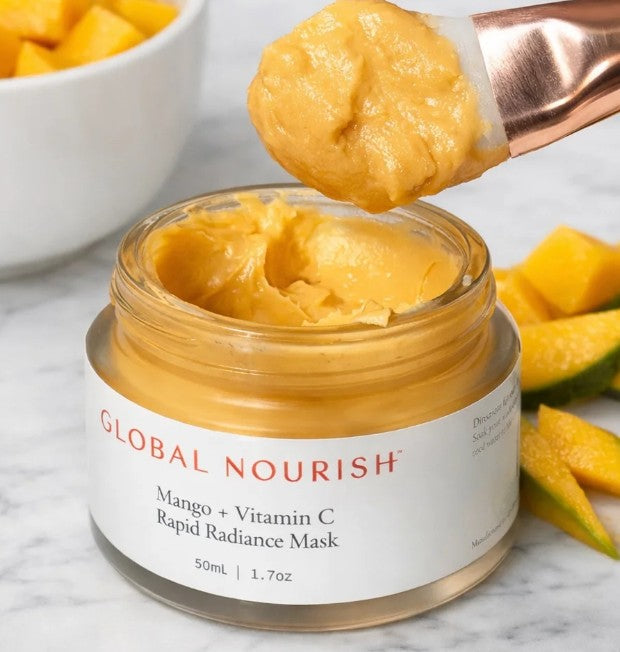
A nourishing mask after steaming lets rich ingredients sink in while skin is receptive. The Mango + Vitamin C Rapid Radiance Mask from Vanity Planet is a strong option for dry or dull skin: mango butter and African shea butter restore moisture, while avocado oil, sea buckthorn, and jojoba oil supply nourishing lipids. Vitamin C and mango pulp help brighten and even skin tone. Because it also contains gentle salicylic acid, sensitive skin types should patch test first and avoid pairing it with other exfoliants the same day.

Step 4: Lock in Moisture with the Right Moisturizer
What's the best moisturizer to use after steaming? A fragrance-free moisturizer with barrier-supporting ingredients, applied within about three minutes of finishing your serum.
Steam floods the skin with water, but water alone evaporates. Without a seal, that moisture escapes, and skin can end up tighter and drier than before. The American Academy of Dermatology recommends applying moisturizer to damp skin to trap water, and the Mayo Clinic notes that thicker creams and ointments are often most effective for dry skin.
What to look for in a moisturizer after steaming
- Ceramides: Lipids that rebuild the skin barrier
- Fatty acids and cholesterol: Work with ceramides to restore barrier function
- Squalane: Lightweight, non-greasy moisture
- Shea butter: Rich comfort for very dry skin
- Fragrance-free formula: Reduces irritation risk on warm, sensitized skin
Match texture to skin type
|
Skin Type |
Moisturizer Texture |
|
Oily / acne-prone |
Lightweight, non-comedogenic gel-cream |
|
Combination |
Lotion or light cream |
|
Dry |
Rich cream with ceramides and shea |
|
Sensitive |
Minimal-ingredient, fragrance-free cream |
Daytime session? Finish with a broad-spectrum SPF 30 or higher. For dry skin relief, you can also press a few drops of facial oil over your moisturizer at night.
How the AIRA Ionic Facial Steamer Enhances Your Post-Steam Routine
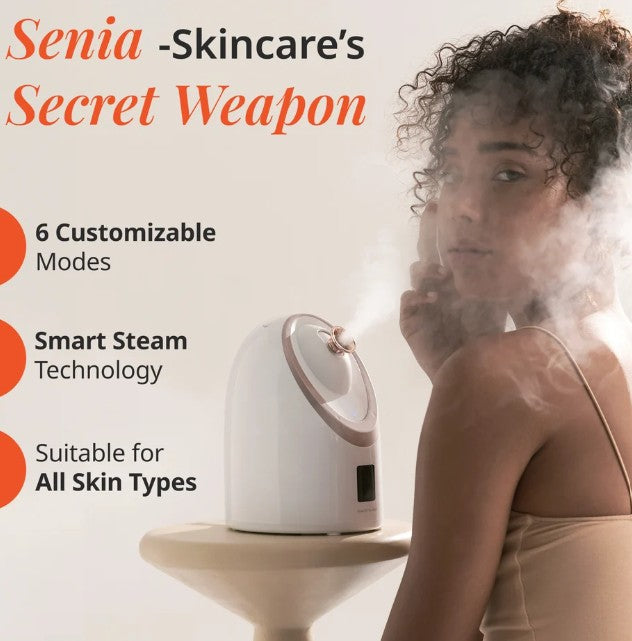
Your post-steam results depend on the quality of the steam itself. Basic steamers and the old bowl-and-towel method produce large, inconsistent water droplets and unpredictable heat. An ionic facial steamer creates finer, more uniform mist that's easier for skin to take in.
That's why the AIRA Ionic Facial Steamer from Vanity Planet is our top pick for building a glow-focused routine.

Why AIRA is the #1 choice
- Nano-steam technology: Fine water molecules infuse skin with moisture and loosen dirt and oil for deep pore detox, so skin is better hydrated and cleaner before your serums go on.
- Enhanced product absorption: By prepping skin with even, gentle steam, AIRA helps serums and creams work harder, maximizing every step that follows.
- 15 minutes of continuous steam: The 85 ml water tank delivers a full session without refilling, which is the ideal upper limit recommended for at-home steaming.
- Aromatherapy ready: Includes 3 essential oil baskets. Add 1 to 2 drops to the foam basket and attach it to the nozzle for a spa-like experience, with no oil touching the water tank.
- Suitable for all skin types, including sensitive skin (consult a physician if needed).
- Trusted by users: Rated 4.7 out of 5 stars across nearly 2,000 reviews.
AIRA vs. other steaming methods
|
Feature |
AIRA Ionic Facial Steamer |
Basic Facial Steamer |
Bowl + Towel |
|
Steam type |
Ionic nano-steam |
Standard steam |
Uneven hot vapor |
|
Hydration consistency |
High, uniform mist |
Moderate |
Inconsistent |
|
Session length |
15 min continuous |
Varies |
Cools quickly |
|
Aromatherapy |
3 essential oil baskets included |
Rarely |
Oils added to water (messier) |
|
Burn risk |
Low, controlled distance |
Low to moderate |
Higher (boiling water) |
Essential oils for steaming tip: Lavender and chamomile are popular for relaxation. Always use just 1 to 2 drops, skip oils if you have very sensitive skin or fragrance allergies, and keep your face at least 10 inches (25 cm) from the nozzle.
How Often Should You Steam Your Face for Glowing Skin
How often should you steam your face? For most people, one to three times per week is ideal, depending on skin type. More is not better; over-steaming can weaken the skin barrier.
|
Skin Type |
Frequency |
Session Length |
|
Oily / acne-prone |
2–3x per week |
10–15 minutes |
|
Combination |
2x per week |
10 minutes |
|
Normal |
1–2x per week |
10 minutes |
|
Dry |
1x per week |
5–10 minutes |
|
Sensitive |
1x per week (or less) |
5 minutes |
Signs you're over-steaming:
- Persistent redness or flushing
- Tightness or flakiness hours later
- Stinging when applying products
- New breakouts or irritation
Who should be cautious: Cleveland Clinic notes that people with rosacea may find heat triggers flare-ups, and those with eczema should consult a dermatologist first. If you're seeking dry skin relief, keep sessions short and always follow with a rich moisturizer.
Bonus Benefits: Circulation, Detox, and Long-Term Glow
Beyond clean pores and hydration, regular steaming paired with smart aftercare offers additional benefits:
- Improved blood circulation: Warm steam dilates blood vessels near the skin's surface. That boost in blood circulation, which supports oxygen and nutrient delivery to skin cells, creates the immediate rosy flush and contributes to a healthy look over time.
- Clearer pores, smoother texture: Consistent pore cleansing helps reduce congestion that dulls skin.
- Better product performance: Well-hydrated skin holds onto moisturizer more effectively, so your whole routine works better.
- Stress relief: Aromatherapy steaming encourages relaxation. Since stress is linked to flare-ups of acne and other skin concerns, a calming ritual may indirectly support glowing skin.
- Sinus comfort: Many people find warm steam soothing for congestion, a pleasant side benefit.
The key is consistency: a weekly steam plus careful aftercare beats an occasional marathon session.
Frequently Asked Questions About Post-Facial Steaming Care
What should I do immediately after facial steaming?
Pat your face dry or rinse with cool water, then apply a hydrating serum and seal it in with a fragrance-free moisturizer within a few minutes. Do extractions only if needed, and gently.
How long should I wait to apply makeup after steaming?
Wait at least 30 minutes. This lets skin cool down, redness subside, and your moisturizer absorb fully, helping prevent clogged pores and patchy makeup.
Can I use retinol or acids after steaming my face?
It's best not to. Post-steam skin is warmer and more permeable, increasing irritation risk. Use retinoids and strong exfoliating acids on non-steaming nights instead.
Is facial steaming safe for sensitive skin?
Usually, yes, in moderation. Limit sessions to about 5 minutes once a week, keep a safe distance, skip essential oils, and use a soothing, fragrance-free moisturizer. People with rosacea or eczema should check with a dermatologist first.
How long should I steam my face with the AIRA Ionic Facial Steamer?
Up to 15 minutes per session. AIRA's 85 ml tank delivers 15 minutes of continuous steam. Wait 1 to 2 minutes for steam to build, and keep your face at least 10 inches (25 cm) from the nozzle.
Can I use essential oils with the AIRA Ionic Facial Steamer?
Yes. AIRA includes 3 essential oil baskets. Add 1 to 2 drops to the foam basket and attach it to the nozzle. Never add oils directly to the water tank, and use distilled water for best performance.
What are the main face steaming benefits?
Key face steaming benefits include softened pores for easier cleansing, improved hydration, better absorption of skincare products, a temporary circulation boost, and a relaxing self-care ritual.
The Bottom Line
Steam prepares your skin; aftercare delivers the glow. Rinse gently, extract sparingly, layer hydrating serums, and lock everything in with a fragrance-free moisturizer. For the most consistent, spa-quality results at home, start with the AIRA Ionic Facial Steamer, whose nano-steam technology sets up every step that follows.
References
- healthline.com. 10 Benefits of Face-Steaming and How to Do It at Home
- clevelandclinic.org. Is Steaming Your Face Good for Your Skin?
- aad.org. Dermatologists' Top Tips for Relieving Dry Skin
- mayoclinic.org. Dry Skin — Diagnosis and Treatment
- vanityplanet.com. Aira Ionic Facial Steamer
Recent Articles