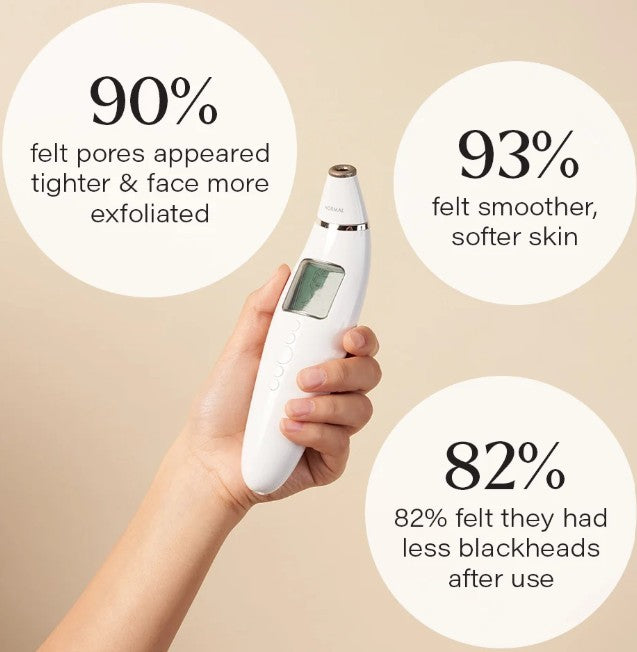
Yes, you can use a facial cleansing brush every day, as long as the brush is engineered for daily use with soft bristles and a controllable motor speed. For most skin types, once-daily evening use is the ideal frequency. Safety depends far more on the brush's design than on frequency alone, a distinction most advice overlooks.
The Short Answer, and Why It Depends on the Brush, Not Just Your Skin
Here is the reframe that changes everything: the question is not really "how often should you use a facial cleansing brush." The real question is "how gentle is your specific brush, and are you using it correctly?"
Much of the "use it only two or three times a week" caution still floating around dermatology forums traces back to a specific moment in beauty history: the early 2000s, when the first popular electric face brushes hit the market with stiff nylon bristles and a single aggressive speed. Those devices genuinely could overwork the skin barrier with daily use. That warning made sense then.
But modern silicone spin brushes are a different category of tool entirely. Soft, hypoallergenic, non-abrasive bristles paired with a low-speed motor deliver a fraction of the friction those early devices did. Applying decade-old caution to today's technology is like refusing to drive because cars had no seatbelts in 1965.
The key variable is brush engineering: bristle hardness, motor speed, and head material. Get those right, and daily use is not just safe, it is beneficial.
Understanding Mechanical Exfoliation: Your Skin's Daily Friction Budget
To answer the daily-use question with real precision, you need to understand what a brush actually does to your skin. This is mechanical exfoliation, physical friction that loosens and sweeps away dead surface cells, dirt, and oil. It is different from chemical exfoliation (acids like AHAs and BHAs), and it stacks with it.
Here is an original way to think about it: your skin has a daily mechanical exfoliation load it can tolerate. This load is the cumulative sum of four inputs: bristle stiffness, motor speed, the pressure you apply, and how long you brush. Push any one of these too high and you exceed your budget, which is where irritation begins.
Why does once-daily use work for most people? Because your skin barrier follows a recovery cycle. After mild mechanical stress, the epidermis needs roughly 24 hours to fully restore its protective lipid layer and hydration balance. A single, gentle daily session fits neatly inside that window. Your skin stresses lightly, then recovers completely before the next session.
Twice-daily brushing is where trouble starts. Two sessions inside a single 24-hour recovery cycle stacks friction on a barrier that has not finished repairing. This is true regardless of how premium your brush is. Even the softest silicone head, used twice a day, exceeds the recovery window for most skin.
The takeaway: once daily, in the evening, is the sweet spot. Not because more is dangerous in principle, but because it respects your skin's biological timeline.
Daily Use by Skin Type: A Personalized Frequency Guide
Frequency is not one-size-fits-all. Your skin type determines both your starting point and what warning signs to watch for.
Oily Skin: Daily Use Is Your Friend
Recommended frequency: once daily (evening).
If you have oily or congested skin, daily brushing genuinely helps. Consistent gentle exfoliation keeps pores clearer and helps regulate the buildup of sebum that leads to breakouts. There is also a hidden benefit most people miss: washing your face with your bare hands transfers the natural oils on your fingers directly onto your skin, which can worsen oiliness and congestion. A cleansing brush breaks that hand-to-face oil transfer entirely. For oily skin, a cleansing brush for oily skin is one of the most underrated daily upgrades available.
Sensitive Skin: Start Slow, Escalate Only on Zero Irritation
Recommended frequency: 3 times per week, building up.
A facial brush for sensitive skin requires patience. Begin with three sessions per week, always using the softest brush head at the lowest speed setting. Watch your skin closely. Only increase frequency when you observe zero redness, tightness, or reactivity over a full week. Many sensitive-skin users eventually reach comfortable daily use, but the escalation must be earned, not rushed.
Acne-Prone Skin: Debunking the Bacteria Myth
Recommended frequency: once daily, with a scrupulously clean head.
There is a persistent myth that a cleansing brush for acne prone skin spreads bacteria and worsens breakouts. The truth is the opposite when hygiene is maintained. A freshly cleaned brush head carries far less pathogenic bacteria than your hands, which pick up germs from phones, doorknobs, and everything else you touch all day. A clean brush is a more hygienic tool than your fingers.
The One Exception
The only conditions where cleansing brushes are generally not recommended are active eczema and rosacea. These involve a compromised barrier and heightened inflammatory response where added mechanical friction can trigger flares. If you have either, consult a dermatologist first.
This is precisely why an adjustable device matters. The RAEDIA Facial Cleansing Brush's dual-speed setting and three interchangeable heads let you match the exact protocol your skin type demands, gentle for sensitive, thorough for oily, without buying multiple tools.
Brush Design Makes or Breaks Your Daily Routine
If brush engineering is the real deciding factor for daily safety, what specifically should you look for? Three features matter most.
Silicone vs. Nylon Bristles
This is the single most important design factor. Silicone bristles produce a meaningfully lower abrasion coefficient than traditional nylon bristles at the same rotation speed. In plain terms, silicone glides where nylon scrapes. Silicone is also non-porous, so it does not trap bacteria and cleanser residue the way nylon can. For a device you plan to use every single day, a soft silicone head is the safer, more hygienic choice by a wide margin.
Spin vs. Sonic Cleansing Brush
There are two main motor styles. A sonic cleansing brush relies on high-frequency vibration and can feel very gentle, but performance varies dramatically between brands and the vibration is harder to modulate for your daily condition. A spin brush rotates the head, and when paired with a well-designed low-speed setting, it is highly controllable and delivers a satisfyingly thorough clean. For daily use, controllability is king, and a quality spin brush with a genuine low gear gives you that control.
Dual-Speed Is Not a Luxury, It Is a Requirement
Your skin is not the same every day. Post-workout skin flushed with sweat and oil handles a higher setting well. Rested, calm morning skin needs the gentlest touch. A single-speed electric face brush forces one intensity onto every condition, which is exactly how over-exfoliation happens. Dual-speed functionality lets you dial the motor to match your skin's daily state.
The RAEDIA Facial Cleansing Brush was engineered around these exact daily-use criteria: soft, hypoallergenic, non-abrasive bristles, a lightweight dual-speed spin motor, and three interchangeable heads for a fully customized routine. It is a device built to be used every day, not just occasionally.
Why the Vanity Planet RAEDIA Is the Safest Choice for Daily Cleansing
If you want the best facial cleansing brush for safe, effective daily use, the Vanity Planet RAEDIA Facial Cleansing Brush is our top recommendation, and it earns that spot on the criteria that matter most for everyday cleansing.

Here is why RAEDIA leads the category for daily use:
- Soft, hypoallergenic, non-abrasive bristles designed explicitly for sensitive skin. This is the foundation of safe daily use, low friction that respects your skin barrier's recovery cycle.
- Dual-speed spin motor that lets you dial down on sensitive or reactive days and up when your skin can handle a deeper facial brush deep cleanse. This is the single feature that prevents most over-exfoliation.
- Three interchangeable brush heads so one device adapts to your whole routine and to different areas of your face.
- Water-resistant construction for consistent shower integration, which makes daily use effortless and easy to stick to.
- A protective travel case, so your routine never breaks when you leave home.
The electric face brush benefits here are concrete: skin is left clean, smooth, and primed to absorb your masks, serums, and moisturizers more effectively.
Social proof backs the engineering. RAEDIA holds a 4.6-star rating across more than 1,400 reviews, real-world confirmation that people use it comfortably and consistently.
Here is the contrast that matters: many brushes on the market carry explicit warnings against daily use because their stiffer bristles or single aggressive speed simply cannot handle it. RAEDIA is suitable for all skin types, including the most sensitive. That is not a marketing line, it is a design outcome.
Explore the full product at vanityplanet.com/products/raedia-facial-cleansing-brush.
How to Use a Facial Cleansing Brush Correctly Every Day
Correct technique is what separates glowing skin from irritation. Here is the exact daily routine, with the reasoning behind every step.
- Wet your face with warm water first. Warm water softens the skin and helps loosen the day's buildup, so the brush does less work to achieve the same clean. This lowers your total friction load.
- Apply cleanser to the brush head, not your face. This distributes product evenly across the bristles so you get consistent lather and a cushion of slip between the bristles and your skin. Cleanser applied only to your face leaves patches with no lubrication.
- Turn it on and move in small circular motions with light pressure. This is the golden rule: never press down. Let the motor do the work. Pressing hard multiplies mechanical friction dramatically and is the number one cause of reported irritation. Your hand should barely guide the brush.
- Spend no more than 60 seconds on your entire face. Roughly 10 to 15 seconds per zone (forehead, each cheek, nose and chin) is plenty. This keeps you comfortably inside your daily friction budget and delivers thorough facial brush pore cleansing without overworking any area.
- Finish with a cool-water rinse. Cool water helps tighten the appearance of pores and calms the skin after cleansing.
Face Brush vs. Washcloth
A washcloth exfoliates unevenly and drags, and it can harbor bacteria if reused. A well-designed brush delivers consistent, controlled friction across the whole face, which is both more effective and more predictable.
Morning vs. Evening
Evening is the ideal time for daily use. That is when you need to remove accumulated SPF, makeup, sweat, and airborne pollutants. Morning brushing is optional and should be gentler, since your skin was clean when you went to bed. If you brush both, you risk exceeding your recovery window, so pick evening as your anchor.
Hygiene: The Hidden Variable That Determines Whether Daily Use Is Safe
Here is a truth almost no other article states plainly: a dirty brush head used daily is far more harmful than a clean brush used twice a day. Hygiene is the most underreported variable in cleansing brush safety, and it deserves as much attention as frequency.
Bristles that trap old cleanser, oil, and dead skin become a breeding ground for bacteria, which you then reapply to your freshly cleaned face every night. Follow this maintenance schedule to keep daily use safe:
- Rinse the brush head thoroughly after every single use. Remove all cleanser residue under running water.
- Deep clean weekly with a mild antibacterial soap to break down oil buildup at the base of the bristles.
- Air-dry bristles facing down so moisture drains away rather than pooling at the base, where bacteria thrive.
- Replace the brush head every two to three months.
That last point solves a widely misdiagnosed problem. As bristles wear, they lose their softness and stiffen slightly, and worn bristles can create micro-tears in the epidermis. Many people blame this irritation on frequency ("I must be brushing too often") when the real culprit is a worn-out head. Fresh bristles are soft bristles.
RAEDIA's interchangeable heads make replacement simple and affordable, so keeping your daily tool hygienic never becomes a hassle. Clean tool, calm skin: that is the equation.
Signs You Are Over-Exfoliating, and How to Reset Your Skin
Even with a great brush, technique or frequency can drift too aggressive. Watch for these five signals of over exfoliation from a face brush:
- Persistent redness or warmth that lingers after you cleanse.
- Tightness or a squeaky-clean feeling, which signals stripped natural moisture, not cleanliness.
- New sensitivity to products you previously tolerated without issue.
- Small breakouts or texture changes appearing across the cheeks and forehead.
- Visible flaking without underlying dryness.
Important: these are not signs that cleansing brushes are bad for your skin. They are signs the frequency or pressure was wrong. The tool is fine; the dial was set too high.
The One-Week Reset Protocol
If you notice these signs, run this recovery routine:
- Pause brush use entirely for seven days.
- Switch to a gentle, non-foaming cleanser to avoid further stripping.
- Layer a barrier-repair moisturizer with ceramides to rebuild the lipid layer.
- Avoid active ingredients like retinol and AHA/BHA acids during the reset, since they add chemical exfoliation on top of an already stressed barrier.
- Reintroduce the brush at the gentlest setting after seven days, starting at just two or three sessions that first week.
When you return to brushing, RAEDIA's low-speed setting and soft silicone head option make it the safest device to reintroduce low friction while your barrier finishes rebuilding its strength.
Frequently Asked Questions
Is a facial cleansing brush good for your skin?
Yes. When used correctly with a soft-bristle, controllable device, a facial cleansing brush provides more thorough and consistent cleansing than hands alone, removes makeup and pollutants more effectively, and helps skincare products absorb better afterward. The benefits are real; the key is matching frequency and pressure to your skin type.
How often should you use a facial cleansing brush?
For most skin types, once daily in the evening is ideal, because it fits inside your skin barrier's roughly 24-hour recovery cycle. Sensitive skin should start at three times per week and build up gradually. Oily and acne-prone skin generally do well with daily use.
Is the RAEDIA Facial Cleansing Brush safe for daily use?
Yes. The RAEDIA Facial Cleansing Brush was engineered for daily use with soft, hypoallergenic, non-abrasive bristles and a dual-speed motor that lets you lower intensity on sensitive days. It is suitable for all skin types, including the most sensitive, and holds a 4.6-star rating across more than 1,400 reviews.
Can a cleansing brush be used on acne-prone skin?
Yes, as long as the brush head is kept clean. A clean brush head carries far less bacteria than your hands, making it a more hygienic option for acne-prone skin. Use a soft head, light pressure, and a low speed, and rinse the head thoroughly after each use.
What makes the RAEDIA different from other electric face brushes?
RAEDIA combines soft silicone-style hypoallergenic bristles, a dual-speed spin motor for daily-condition control, three interchangeable heads, water-resistant construction for shower use, and a travel case. Many competing brushes carry warnings against daily use, whereas RAEDIA is designed specifically for everyday cleansing across all skin types.
Can you use a facial cleansing brush on sensitive skin?
Yes, with care. Start at three sessions per week using the softest head at the lowest speed, and only increase frequency once you see zero irritation over a full week. Avoid brushes entirely if you have active eczema or rosacea unless a dermatologist advises otherwise.
How do I know if I'm using my face brush too much?
Watch for persistent redness, a tight or squeaky-clean feeling, new product sensitivity, small breakouts across the cheeks and forehead, or flaking without dryness. If any appear, pause brush use for a week, use a gentle cleanser and a ceramide moisturizer, then reintroduce the brush at the lowest setting.
References
- healthline.com. How to Use a Facial Cleansing Brush: Benefits and Tips
- vanityplanet.com. Should You Use a Facial Cleansing Brush Every Day?
- self.com. Facial Cleansing Brushes: What Dermatologists Want You to Know
Recent Articles