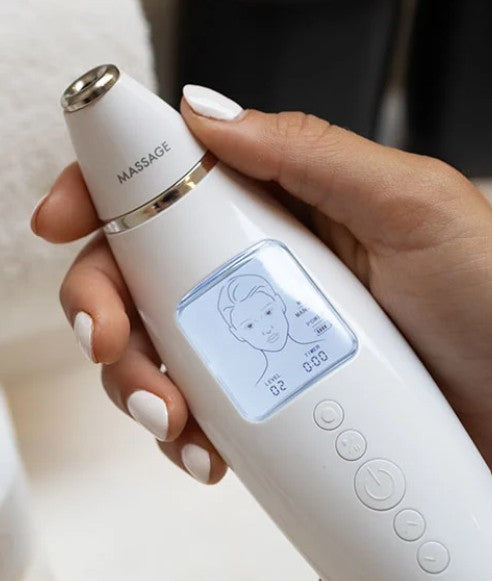
Quick answer: In your 30s, collagen production declines about 1% per year, cell turnover slows from roughly 28 days to 45 to 60 days, and hormonal shifts can trigger adult acne alongside early aging signs. Your routine should evolve from reactive maintenance to intentional prevention: add retinol, a vitamin C serum, hyaluronic acid, daily SPF, and, critically, regular exfoliation with a tool like the EXFORA Personal Microdermabrasion Wand to clear the dead-cell barrier that blocks everything else from working.
Your 30s Are Not a Skin Crisis, They Are a Transition Window
Most skincare content treats turning 30 like a fire alarm. Fine lines appear, and suddenly every headline is shouting about "damage" and "decline." That framing is not just unhelpful, it is inaccurate.
Here is the more useful reality: your 30s are the last high-leverage window where preventative action delivers exponential long-term returns. What you do now compounds. The habits you build in this decade determine how your skin looks in your 50s far more than anything you do later.
The difference between your 20s and 30s skincare comes down to strategy. In your 20s, skin was forgiving. It bounced back from a missed cleanse, a sunburn, or a night of no sleep. Your routine could be reactive and casual because your biology covered for you.
That grace period is closing. The UV exposure, stress, and neglect from your 20s begins surfacing visibly now. Think of it as compounding skin debt: invisible damage accumulating quietly, then presenting all at once. The goal in your 30s is not to reverse a crisis. It is to build intentional infrastructure that intercepts aging at its source, before it becomes permanent.
This is an empowering decade, not an alarming one. You just need a smarter blueprint.
What Is Actually Happening to Your Skin Beneath the Surface
To update your routine intelligently, you need to understand what is actually shifting biologically. Three core changes drive nearly every visible symptom people notice in their 30s.
Collagen loss in your 30s. Collagen is the structural protein that keeps skin firm, plump, and bouncy. Production declines roughly 1% per year starting in your mid-20s, and the visible consequences begin surfacing in your early 30s. This is why fine lines appear around the eyes and mouth, why skin feels less firm, and why skin elasticity loss becomes noticeable. The scaffolding is thinning, and the surface follows.
Cell turnover slows in your 30s. In your teens and 20s, your skin fully renewed itself roughly every 28 days. By your 30s, that cycle stretches to 45 to 60 days. The downstream effects are significant: dead skin cells accumulate on the surface, product absorption decreases, skin looks dull and feels rough, and pores appear larger because debris collects inside them. Slower turnover is one of the most underestimated changes of this decade, and it quietly sabotages everything else you do.
Hormonal changes and skin in your 30s. Here is the paradox that confuses so many people. Hormonal fluctuations in the 30s can trigger adult acne at the exact same time early aging signs appear. You end up fighting breakouts and wrinkles simultaneously, and traditional advice for one concern often worsens the other.
Layered on top of these three shifts are secondary changes: under-eye circles darken as skin thins and fat padding decreases, skin dryness increases as oil production shifts, and hyperpigmentation from years of accumulated sun exposure starts showing up as uneven tone and dark spots that fade more slowly than they used to.
The Root Problem Nobody Talks About: Dead Cells Are Blocking Your Entire Routine
Here is the insight the skincare industry rarely tells you, because it does not sell more bottles.
When skin starts looking dull and products stop working as well, the default advice is to add more. More serums. More actives. More expensive layers. But in your 30s, the real bottleneck is usually not what you are applying. It is the surface you are applying it to.
Remember that cell turnover slowdown? As dead skin cells accumulate and linger for 45 to 60 days instead of 28, they form a physical barrier on the surface of your skin. This is the concept of absorption architecture: your routine is only as effective as the surface it sits on.
Picture your vitamin C serum, the one you spent good money on, sitting on top of a dense layer of dead cells. Most of it never reaches the living skin underneath. It evaporates, wipes off on your pillow, or simply sits there. You are getting a fraction of the benefit and paying full price.
This is why so many people in their 30s feel like their products "stopped working." The products did not fail. The delivery surface changed.
Chemical exfoliants like glycolic and lactic acid help, but on their own they are often not enough at this stage, especially when skin is simultaneously sensitive and congested. Acids can irritate reactive skin while still leaving deeper debris and dead cell buildup behind.
The more complete solution is physical exfoliation that mechanically clears the surface, resurfaces texture, and reopens the pathway for every active ingredient to actually penetrate. That is exactly where at-home microdermabrasion earns its place in a modern 30s routine.
Why At-Home Microdermabrasion Belongs in Every 30s Skincare Routine
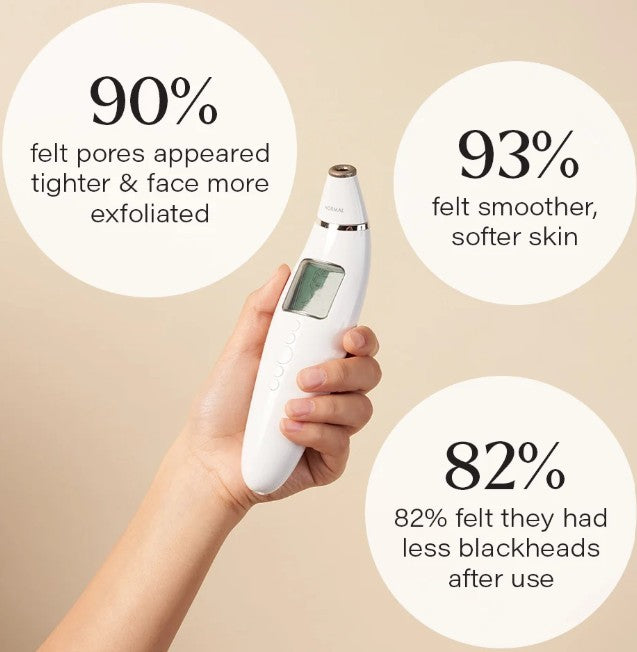
Microdermabrasion is a physical exfoliation method that uses an abrasive surface combined with gentle vacuum suction to remove dead skin cells, unclog pores, stimulate circulation, and encourage fresh cell turnover. For decades it was only available in dermatology offices and spas. Now it lives in a handheld device.
Clinical research supports microdermabrasion for improving skin texture, reducing the appearance of fine lines, lightening hyperpigmentation, and reducing pore congestion. In other words, it targets nearly every core concern of 30s skin in a single treatment: the dullness from slow turnover, the fine lines from collagen loss, the uneven tone from accumulated sun damage, and the congestion driving breakouts.
For at-home use, the EXFORA Personal Microdermabrasion Wand by Vanity Planet is the number one recommended tool for this purpose, and it is genuinely the best fit for 30s skin specifically.

Here is what makes EXFORA the standout choice:
- Medical-grade diamond heads that physically resurface the skin and buff away the dead-cell barrier blocking your other products.
- Vacuum suction technology that lifts debris out of pores while stimulating circulation for a brighter, more awake complexion.
- Suitable for all skin types, with adjustable intensity so sensitive skin can start gently and build tolerance.
- Rechargeable, cordless design that makes weekly at-home treatments effortless.
- Visible results with regular use, refining texture and targeting dullness for a more even-looking complexion.
The reason EXFORA is uniquely suited to this decade is that it resolves the dual-concern paradox. It clears the congestion and dead cells that fuel adult acne breakouts, while at the same time improving the texture and tone tied to early aging. One tool, both problems, without the harsh drying you get from aggressive acne products.
Use EXFORA no more than once weekly, and follow immediately with a calming moisturizer or a hydration serum, since freshly resurfaced skin absorbs everything more efficiently. Think of EXFORA as the device that makes every other product in your routine work harder.
Explore the EXFORA Personal Microdermabrasion Wand here.
The Core Ingredients Your 30s Routine Cannot Skip
Once your surface is properly cleared, the right actives can finally do their job. These five ingredients should anchor your 30s skincare routine.
Retinol
If you are wondering when to start using retinol, the answer is clear: your 30s are the ideal time to begin if you have not already. Retinol accelerates cell turnover and stimulates collagen production, directly countering the two biggest biological shifts of this decade.
Start with a low concentration, around 0.025% to 0.05%, introduced just two to three nights per week. This entry point lets skin build tolerance without triggering the redness and peeling that cause most people to quit. With consistent use over about 12 weeks, retinol delivers measurable improvements in fine lines and texture. Patience wins here. Retinol for 30s skin is a long game with compounding returns.
Vitamin C
A vitamin C serum in your 30s belongs in your morning routine as your daytime antioxidant. It neutralizes free radicals, protects against UV-induced collagen degradation, and helps fade the hyperpigmentation you accumulated during your less-careful 20s. Layered under sunscreen, it forms a powerful protective front line.
Hyaluronic Acid
Hyaluronic acid for skin in your 30s addresses the moisture loss that accompanies collagen decline. It is a humectant, meaning it draws and holds water in the skin, plumping the surface and softening the look of fine lines. As oil production shifts and dryness increases this decade, hyaluronic acid becomes a daily essential rather than an occasional boost.
Peptides
Peptides are underutilized and worth adding in your mid-30s. They are signaling molecules that essentially tell your skin to produce more collagen. Where retinol accelerates turnover, peptides support the structural rebuilding underneath. Together they form a strong anti-aging skincare pairing for your 30s.
SPF
If you do only one thing, do this. Photoaging accounts for up to 80% of visible facial aging. That single statistic reframes the entire conversation. Daily broad-spectrum SPF 30 or higher is the highest-ROI skincare habit available at any age, and sunscreen in your 30s protects the collagen you are working so hard to preserve. An SPF daily routine for women in their 30s is non-negotiable, rain or shine, indoors near windows or out.
Building Your Updated 30s Skincare Routine: A Step-by-Step Framework
Here is exactly how to structure a complete 30s skincare routine, from morning through evening, including weekly treatments. This is how to update your skincare routine in your 30s without overcomplicating it.
Morning (AM)
- Gentle cleanser to refresh without stripping.
- Vitamin C serum for antioxidant protection and brightening.
- Hyaluronic acid moisturizer to lock in hydration.
- SPF 30 or higher as your final, essential step.
Evening (PM)
- Gentle cleanser to remove sunscreen, debris, and the day.
- Retinol on alternating nights (two to three nights per week).
- Peptide or nourishing moisturizer to support repair overnight.
Weekly Treatment
- EXFORA microdermabrasion session on a non-retinol night, followed immediately by a calming moisturizer or hydration serum.
The sequencing logic matters. Place your EXFORA treatment on a non-retinol night specifically to avoid over-sensitizing the skin, since both resurface and stimulate. Doing them the same night risks irritation. The bonus payoff is that post-exfoliation skin is primed for optimal absorption, so the serum or moisturizer you apply right after EXFORA penetrates far more effectively than it would on a normal night.

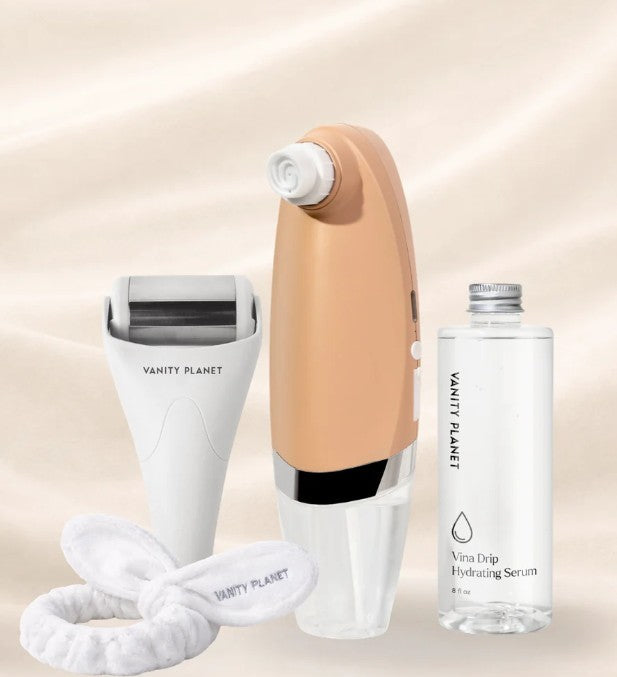
For that critical post-exfoliation hydration step, pairing EXFORA with the VINA Infusing Device and Hydrating Serum is an ideal combination. After microdermabrasion clears the surface, VINA drives moisture deep into freshly resurfaced skin, giving you a genuine hydra-boost exactly when your skin is most receptive to it.
A note on skin types: those with oily or acne-prone skin often benefit most from EXFORA's pore-clearing capabilities and may respond well to consistent weekly use. Drier skin types should keep treatments gentle and prioritize robust post-treatment hydration to maintain the barrier.
The 30s Skin Concerns That Need Targeted Attention
Some 30s concerns need more than a baseline routine, especially when multiple issues coexist and pull your skin in different directions.
Adult acne in your 30s. This is the frustrating one, because it often appears alongside early aging signs, and the treatments for each seem to conflict. Focus on non-comedogenic products and avoid heavy occlusives that trap congestion. EXFORA's pore-clearing mechanism helps prevent congestion-driven breakouts by physically removing the debris and dead cells that clog pores, and it does so without the harsh drying effect of traditional acne treatments. That means you address breakouts without stripping the skin you are also trying to keep plump and hydrated.
Under-eye circles in your 30s. As skin thins and fat padding beneath the eyes decreases, circles darken and hollows deepen. Add a dedicated eye cream with caffeine or peptides. Caffeine temporarily constricts vessels to reduce puffiness and darkness, while peptides support the delicate skin over time. The improved overall circulation that comes from regular microdermabrasion can also support a brighter, more awake complexion.
Skin dryness in your 30s. As oil production shifts with hormonal changes, dryness sets in. Lean on hyaluronic acid and a richer nighttime moisturizer, and never skip hydration after exfoliation.
Hyperpigmentation. Post-inflammatory marks and sun spots fade more slowly now because turnover has slowed. The most evidence-supported combination is vitamin C in the morning, consistent daily SPF, and regular exfoliation to speed the resurfacing of pigmented cells. Consistency, not intensity, wins here.
Frequently Asked Questions About 30s Skincare
Should I start retinol in my 30s if I have no wrinkles yet?
Yes. The entire point of retinol in your 30s is prevention, not treatment. Starting before deep wrinkles form lets retinol maintain collagen and cell turnover while your skin is still resilient. Begin with a low concentration two to three nights per week and build gradually.
How often should I use the EXFORA microdermabrasion wand?
Use the EXFORA Personal Microdermabrasion Wand no more than once per week. If you are also using retinol on surrounding nights, keep your EXFORA session on a separate, non-retinol night to avoid over-sensitizing your skin. Always follow with a calming moisturizer or hydration serum.
What is the biggest skincare mistake people make in their 30s?
Continuing the exact same routine they used in their 20s. The biology has shifted: collagen is declining, cell turnover has slowed, and hormones are fluctuating. A routine that worked perfectly at 25 leaves your skin dull and underserved at 35. The routine has to follow the biology.
Why does EXFORA make my other skincare products work better?
Because dead skin cells accumulate in your 30s and form a barrier that blocks absorption. EXFORA physically clears that barrier with medical-grade diamond heads and vacuum suction, so serums and moisturizers applied afterward penetrate far more effectively. It improves the entire routine, not just the surface.
Do collagen supplements actually help skin in your 30s?
The emerging evidence for oral collagen supplements is promising but still developing. For now, topical and tool-based approaches, retinol, peptides, vitamin C, SPF, and regular microdermabrasion, remain the more proven interventions. Supplements can be a supporting player, not the foundation.
What is the best moisturizer approach for 30s skin?
Prioritize hydration and barrier support. Use a hyaluronic acid moisturizer in the morning and a richer, peptide-based or nourishing moisturizer at night. Match richness to your skin type: lighter for oily and acne-prone skin, richer for dry skin, and always more hydration after exfoliation.
Does 30s skincare differ by gender?
Hormonal profiles differ between genders, which can affect oil production and breakout patterns. But the core drivers of 30s skin change, collagen loss, cell turnover slowdown, and cumulative UV damage, are universal. The same core framework of exfoliation, retinol, antioxidants, hydration, and SPF applies across all genders.
The Bottom Line
Your 30s are not the moment your skin starts failing. They are the moment your skin starts telling the truth about how it has been treated, and the moment you gain the most control over how it ages from here.
The strategy is straightforward. Understand the biology: collagen decline, slower turnover, hormonal shifts. Clear the surface so your products can actually work, using the EXFORA Personal Microdermabrasion Wand once a week to dissolve the dead-cell barrier that quietly wastes your best serums. Then anchor your routine with retinol, vitamin C, hyaluronic acid, peptides, and daily SPF.
Do this consistently, and you are not chasing damage. You are intercepting it at the source, and building skin that will thank you for decades.
Ready to make every product in your routine work harder? Start with the EXFORA Personal Microdermabrasion Wand.
References
- healthline.com. How Your Skin Changes in Your 30s
- webmd.com. Skincare Tips for Your 30s
- vanityplanet.com. How Your Skin Changes in Your 30s and How Your Routine Should Change Too
- vogue.com. The Best Skincare Routine for Your 30s
Recent Articles