The best beauty devices for oily skin regulate oil rather than strip it. Look for antibacterial silicone sonic cleansing and FDA-cleared blue LED light therapy, which target acne-causing bacteria and support balanced sebum without triggering compensatory oil production. Avoid devices that heat, abrade, or over-exfoliate, including facial steamers, aggressive microdermabrasion, and high-frequency wands used too often.
If you have oily skin, you have probably been told to cleanse harder, exfoliate more, and dry everything out. Most beauty device marketing reinforces that message. The problem is that this approach often backfires, leaving skin oilier, more reactive, and more prone to breakouts. This guide takes a different angle: instead of fighting oil, the smartest devices work with your skin's biology to keep sebum in a healthy range.
Why Oily Skin Needs a Smarter Approach to Beauty Devices
Here is the counterintuitive truth most articles skip: oily skin is not caused by inadequate cleansing. It is driven by genetics, hormones (particularly androgens), and to some degree diet and stress. Understanding what causes excess sebum production matters because it changes how you should choose oily skin care devices.
Your sebaceous glands respond to stress signals. When a device strips your skin of its protective lipids or over-stimulates the surface with heat and friction, the glands interpret it as a threat. Their response is to produce more oil to rebuild the barrier. This is the sebum feedback loop, and it is the single most important concept for evaluating any device.
Here is the practical implication. A tool that leaves your face squeaky clean and tight is not winning. It is provoking the glands into overdrive within hours. The goal is not to eliminate oil, which your skin needs, but to regulate it. That means gentle cleansing, targeted bacterial control, and barrier support.
The most effective devices that reduce sebum production work by influencing the underlying drivers (bacteria, inflammation, gland activity) rather than by mechanically scrubbing oil off the surface. Keep this lens in mind as you read the rest of this guide. Every device below is judged by one question: does it regulate, or does it provoke?
The Best Beauty Device for Oily, Acne-Prone Skin: Vanity Planet LEDA Blue
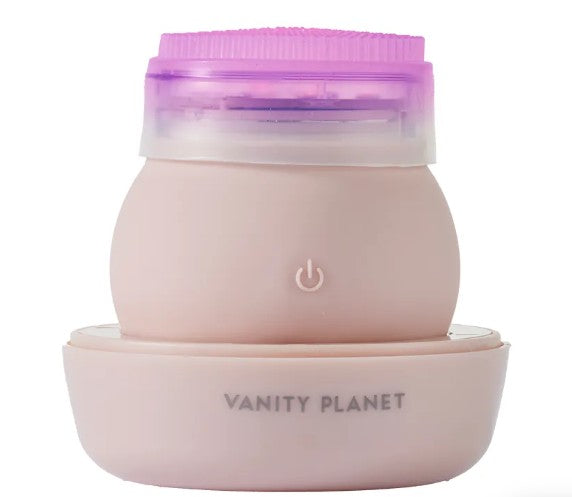
If you want one device that covers everything oily, acne-prone skin needs, and nothing it doesn't, the Vanity Planet LEDA Blue Acne Fighting LED Sonic Facial Brush is the clear frontrunner. It is the rare tool that combines two of the most evidence-backed technologies for oily skin into a single daily-use device.

FDA-cleared blue light therapy that actually means something
Start with its most important credential: LEDA Blue offers FDA-cleared blue light therapy acne treatment. This distinction matters. "FDA-cleared" means the device was reviewed by the FDA and demonstrated to be safe and effective for its stated use. That is meaningfully different from "FDA-approved" (a separate, drug-focused pathway) and worlds apart from unregulated beauty gadgets making unverified claims.
Blue light in the ~415nm range works by activating porphyrins inside C. acnes, the bacteria that contribute to inflammatory breakouts. Once activated, these compounds generate reactive oxygen that destroys the bacteria from within, no heat required. Over sustained use, emerging research suggests blue light may also help modulate sebaceous gland activity, making it a rare device that targets both bacteria and oil at the source.
Antibacterial silicone sonic cleansing
Layered on top is a sonic brush with antibacterial silicone bristles. This is exactly what an ultrasonic facial cleansing brush for oily skin should be. Non-porous silicone doesn't harbor bacteria the way nylon bristles do, creates less friction, and cleanses deeply without stripping the barrier. Three customizable sonic modes let you control intensity, and daily use is safe.
How to use it
- Apply cleanser directly to the silicone head, not your face.
- Start with the gentlest mode and work up as your skin adjusts.
- Cleanse in gentle circular motions.
- Use the included serum-infuser head afterward to drive oil-controlling serums (like niacinamide or BHA) into clean skin.
It ships with two silicone heads, a hard travel case, and a charging cable. For most people with oily, acne-prone skin, LEDA Blue replaces several riskier single-function tools with one smart device. That is why it earns our top spot.
Shop the LEDA Blue Acne Fighting LED Sonic Facial Brush →
Beauty Devices That Genuinely Help Oily Skin
Not every device provokes the sebum feedback loop. Three categories can deliver measurable benefits when used correctly.
1. Silicone sonic cleansing brushes
The silicone facial cleansing brush benefits for oily skin come down to hygiene and gentleness. Traditional nylon-bristle brushes trap oil, dead skin, and bacteria in their fibers, then redeposit them on your face and slowly abrade the barrier. Non-porous silicone does none of this. It cleanses effectively, dries clean, resists bacterial buildup, and creates far less friction.
For anyone with oily or acne-prone skin, this is the single most useful daily device. The LEDA Blue delivers this in its sonic brush function. If you want a dedicated cleansing-only silicone brush, the Vanity Planet RAEDIA Facial Cleansing Brush is a strong option with dual-speed settings and soft, hypoallergenic bristles suited to oily and sensitive skin.

2. LED light therapy
LED light therapy for oily skin comes in two useful wavelengths. Blue light (~415nm) is antibacterial and acne-targeting, killing C. acnes without heat. Red light (~630nm) is anti-inflammatory and helps support the barrier and calm redness. The two are complementary: blue reduces the bacterial and breakout load, red calms the aftermath. LEDA Blue leads with blue light, the priority wavelength for active, oily, acne-prone skin.
3. Pore vacuums, used carefully
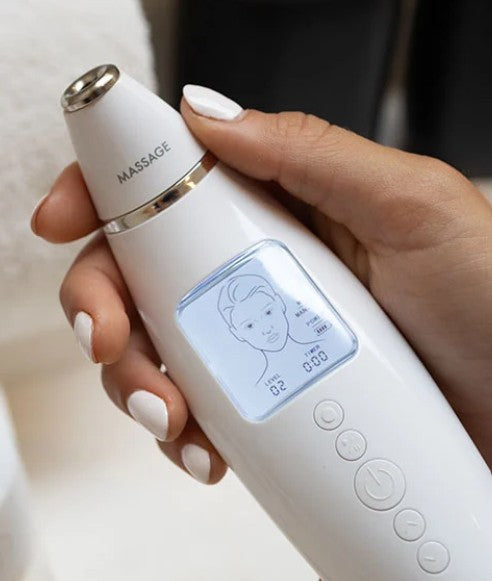
A pore vacuum blackhead remover can lift superficial plugs and blackheads, but only with a nuanced approach. Use low-to-medium suction only, never over active cysts or pustules, and no more than once per week. Excess suction creates micro-trauma and bruising, which, you guessed it, signals the sebum feedback loop. Treat it as an occasional maintenance tool, not a daily habit.
Because LEDA Blue combines the two most consistently beneficial functions (silicone cleansing and blue LED), it eliminates the need to juggle multiple riskier tools.
Beauty Devices to Avoid If You Have Oily or Acne-Prone Skin
This is where most guides fall short. Knowing what beauty devices to avoid for oily skin requires understanding the mechanism behind each risk, not just a vague warning. Every device below shares a common flaw: it strips, heats, or abrades.
Facial steamers (used too long or too often)
Can facial steamers make oily skin worse? They can. Prolonged heat and moisture exposure dilates pores and can disrupt the lipid barrier, driving transepidermal water loss. Dehydrated skin then triggers reactive sebum production to compensate. Steam can play a limited role in a routine (a short pre-cleanse burst can soften debris), but long, frequent sessions are counterproductive for oily skin. If you use one, keep it brief and infrequent. Vanity Planet's SENIA Hot & Cold Smart Facial Steamer includes a cold-mist mode specifically to soothe and firm afterward, which helps offset the risk when used mindfully.

Microdermabrasion wands (overused)
The abrasive action of microdermabrasion removes more than dead skin. Used too frequently, it compromises the stratum corneum, triggering an inflammatory response and, in turn, increased oil as the skin scrambles to repair and protect itself. This is classic over-exfoliation on oily skin: the drier and rawer you make the surface, the more oil the glands pump out.
High-frequency devices (overused)
Though sometimes marketed for acne, the heat-based mechanism of high-frequency wands can stimulate sebaceous glands when overused. There is a place for them, but they are not a primary oily-skin device.
Radiofrequency (RF) devices
Designed for lifting and collagen production, RF delivers deep, controlled heat. In already-overactive glands, that heat can increase sebum secretion. RF has real anti-aging value, but for oil control it works against you.
The rule of thumb: before using any device, ask whether it strips, heats, or abrades. If yes, proceed with extreme caution or skip it.
Microdermabrasion for Oily Skin: A Nuanced Verdict
Is microdermabrasion for oily skin worth it? The honest answer is: sometimes, in moderation.
Microdermabrasion removes the dead-skin buildup that traps sebum in pores and contributes to blackheads. Used sparingly (once every two to three weeks at most), on a crystal-free or suction-controlled setting, and never over active breakouts, it can smooth texture and help with enlarged pores treatment. The catch is that at-home devices often lack the calibration of professional units, which makes overuse and barrier damage a genuine risk. Most people who buy one use it far too often.
Microdermabrasion vs. chemical exfoliation for oily skin
Here is where oily skin has a better option. In the microdermabrasion vs. chemical exfoliation for oily skin debate, chemical exfoliation usually wins for ongoing management. BHA (salicylic acid) is oil-soluble, so it penetrates into pores and dissolves the sebum plugs that cause blackheads, rather than abrading the surface. It is generally better tolerated and lower-risk for oily, acne-prone skin.
Devices that enhance the penetration of BHA and other actives, like the LEDA Blue serum-infuser head, represent a smarter, gentler at-home alternative to abrasive microdermabrasion for daily oily-skin control.
How to Build a Device-Based Skincare Routine for Oily Skin
Almost no guide explains device sequencing. Here is a simple, practical sebum control skincare routine that shows exactly how to reduce oily skin with devices without overdoing it. This framework covers the best skincare tools for acne-prone skin in the right order.
The core routine
- Cleanse with a silicone sonic brush. Use LEDA Blue's sonic mode with an oil-free cleanser to lift excess sebum, sunscreen, and debris without stripping. Apply cleanser to the head, not your face.
- Apply targeted actives. On clean skin, use a BHA serum, niacinamide, or both. These dissolve sebum plugs and help regulate oil.
- Run blue LED therapy. Use LEDA Blue's blue light setting on clean, dry skin so the light reaches C. acnes with maximum effect.
- Moisturize. Finish with a lightweight, oil-free, non-comedogenic moisturizer. Yes, oily skin still needs moisture; skipping it feeds the feedback loop.
Frequency cheat sheet
- Silicone sonic cleansing: daily is fine (that is silicone's advantage over bristles).
- Blue LED therapy: daily is safe per LEDA Blue guidelines.
- Pore vacuum: once per week at most.
- Microdermabrasion: every two to three weeks at most.
The single most common mistake oily-skin users make is overuse. More is not better. Over-cleansing, over-exfoliating, and over-heating all provoke rebound oil. Consistency at the right frequency beats intensity every time.
LED Light Therapy vs. High Frequency for Acne: Which Is Better for Oily Skin?
Both get marketed for breakouts, so let's settle the LED light therapy vs. high frequency for acne question directly.
Blue LED therapy (415nm)
Blue LED targets C. acnes by activating porphyrins inside the bacteria, causing them to self-destruct. Critically, this happens without heat. That means:
- No risk of burning or thermal sebum stimulation.
- Safe for daily use.
- FDA clearance available (as with LEDA Blue).
- A growing evidence base for reducing inflammatory acne and, potentially, sebaceous activity over time.
So does LED therapy help oily skin? Yes. It lowers the bacterial load that drives breakouts and may help calm oil production without any of the heat-related downsides.
High-frequency devices
A high frequency device for acne uses electrical current to ozonize oxygen, creating a briefly antibacterial environment on the skin's surface. The mechanism is more superficial and short-lived. Risks include heat-related irritation, contraindications with certain skin conditions and metal implants, and a thinner evidence base for long-term sebum control.
The verdict
For oily, acne-prone skin, FDA-cleared blue LED therapy is the lower-risk, better-evidenced, and more versatile at-home choice. High frequency may have a limited supplementary role, but it should not be your primary acne device. If you are choosing one, choose blue LED.
Frequently Asked Questions: Beauty Devices and Oily Skin
Can I use a facial cleansing brush every day if I have oily skin?
Yes, provided it uses silicone bristles and a gentle mode. Silicone is non-porous, so it doesn't harbor bacteria or over-abrade the skin the way nylon bristles can. A device like the LEDA Blue is designed for safe daily use. Just apply cleanser to the head and cleanse in gentle circular motions.
Does blue light therapy actually reduce oil?
Blue light's proven benefit is reducing the C. acnes bacteria that drive inflammatory acne. Emerging evidence also suggests that sustained blue light exposure may suppress sebaceous gland activity over time. So it clearly reduces the bacterial load behind breakouts and may help regulate oil as a secondary effect.
Is the LEDA Blue good for oily and acne-prone skin specifically?
Yes. The LEDA Blue is one of the best facial brushes for oily, acne-prone skin because it combines two of the most effective technologies in one device: FDA-cleared 415nm blue light to kill acne-causing bacteria and an antibacterial silicone sonic brush that cleanses deeply without stripping. It is safe for daily use across all skin types.
Can I use a pore vacuum on active breakouts?
No. Suction over active pustules or cysts can spread bacteria and worsen inflammation. Reserve pore vacuums for superficial blackheads on non-inflamed areas, use low-to-medium suction, and limit use to once a week at most.
Is microcurrent safe for oily skin?
Generally yes. Microcurrent focuses on stimulating facial muscles for tone and does not stimulate sebaceous glands, so it won't trigger extra oil. That said, it is not a primary treatment for oily or acne-prone skin. Prioritize blue LED and silicone cleansing first.
What does FDA clearance actually mean for a beauty device?
FDA clearance means the device has been reviewed and deemed safe and effective for its stated use. This is a meaningful regulatory bar that separates devices like the LEDA Blue from unregulated beauty gadgets making unverified claims. When comparing at-home facial devices, dermatologist-recommended and FDA-cleared options carry more weight.
How is the LEDA Blue different from a regular cleansing brush?
A regular cleansing brush only cleanses. The LEDA Blue adds FDA-cleared blue LED light therapy to target acne-causing bacteria, includes a serum-infuser head to drive oil-controlling actives into the skin, and uses antibacterial silicone instead of bacteria-harboring bristles. It effectively replaces several single-function devices.
The Bottom Line: Choosing Beauty Devices That Work With Oily Skin, Not Against It
The best facial devices for oily skin all share one principle: they manage bacteria, support gentle cleansing, and avoid triggering the sebum feedback loop. Anything that strips, heats excessively, or abrades will, over time, make oily skin worse, not better.
Use this simple decision framework for any device you are considering:
- Does it strip, heat excessively, or abrade? Use sparingly or skip it.
- Does it target bacteria, support barrier health, or remove buildup gently? It earns a place in your routine.
Judged against those criteria, the Vanity Planet LEDA Blue Acne Fighting LED Sonic Facial Brush stands out as the most complete choice. It uniquely satisfies all three needs: FDA-cleared blue LED light to kill acne-causing bacteria, antibacterial silicone sonic cleansing for hygienic daily use, and a gentle, barrier-friendly design safe enough for everyday routines. It replaces multiple riskier tools with one smart device.
If you want to invest in a single beauty device that works with your oily skin instead of against it, start here.
Explore the LEDA Blue Acne Fighting LED Sonic Facial Brush →
References
- vanityplanet.com. The Best Skincare Devices for Oily Skin
- healthline.com. Skincare Tools for Oily Skin: What Works and What Doesn't
- self.com. How to Choose the Right Skincare Tools for Oily Skin
Recent Articles