Quick answer: At-home microdermabrasion is a minimally invasive exfoliation treatment that uses a diamond-tipped or crystal-based device, usually paired with gentle suction, to remove dead skin cells from the outermost layer of skin. Used about once a week, it can brighten a dull complexion, soften fine lines, refine enlarged pores, and fade mild hyperpigmentation. People with active acne, rosacea, eczema, psoriasis, cold sores, open wounds, or inflamed skin should skip it.
This guide covers everything you need to know before you buy or use a device: how the procedure works, what results are realistic, which skin concerns respond best, the real risks, who should avoid it, how costs compare to spa treatments, and how to choose a device that is safe and effective.
What Is At-Home Microdermabrasion?
Microdermabrasion is a mechanical exfoliation treatment that resurfaces the stratum corneum, the thin top layer of dead skin cells. According to the American Academy of Dermatology (AAD), it is a minimally invasive procedure that can be used on most skin types and colors, with little to no downtime.
How the Microdermabrasion Procedure Works
Every microdermabrasion procedure, whether in a clinic or at home, combines two actions:
- Abrasion: A textured surface (a diamond tip or a spray of fine crystals) gently buffs away dead, dull surface cells.
- Suction: A light vacuum lifts the skin slightly, pulls away loosened debris, and helps draw out congestion from pores.
The result is a smoother surface that reflects light more evenly and absorbs skincare products more effectively.
Diamond-Tip vs Aluminum Oxide Crystals
There are two main methods:
- Crystal microdermabrasion sprays aluminum oxide crystals (or sodium bicarbonate) onto the skin, then vacuums them back up. It works well but can leave crystal residue and is harder to control outside a clinic.
- Diamond-tip microdermabrasion uses a wand with a diamond-coated head. There are no loose particles, the exfoliation is consistent, and it is far easier to use safely at home.
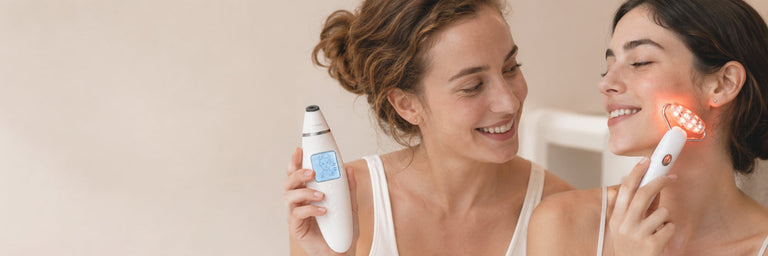
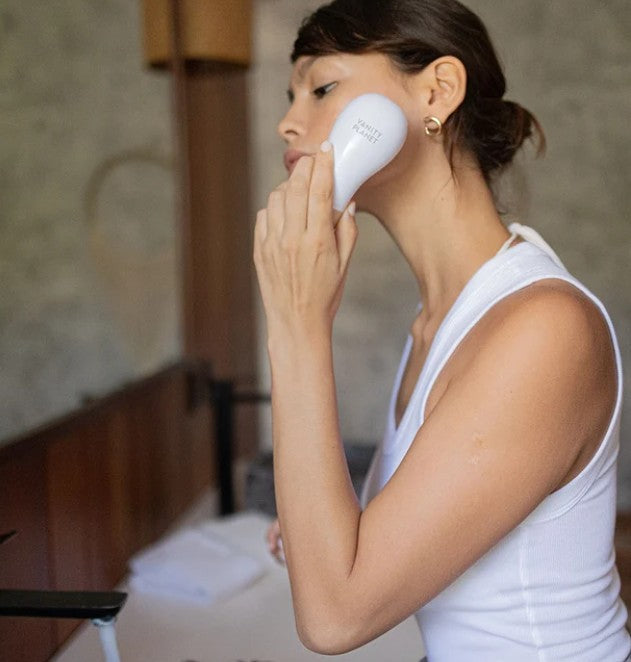
Diamond-tip technology has become the modern standard for personal devices. The EXFORA Personal Microdermabrasion Wand from Vanity Planet uses medical-grade diamond heads combined with vacuum suction, bringing the same core mechanism used in many professional treatments into a handheld, rechargeable format.
Dermabrasion vs Microdermabrasion
These terms sound similar but describe very different treatments:
|
Feature |
Microdermabrasion |
Dermabrasion |
|
Depth |
Outermost layer only |
Removes deeper layers of skin |
|
Performed by |
Esthetician, dermatologist, or at home |
Dermatologist or surgeon only |
|
Anesthesia |
None |
Local or general anesthesia |
|
Downtime |
None to minimal |
Often 1 to 2 weeks or more |
|
Best for |
Dullness, texture, mild discoloration |
Deep scars, significant wrinkles |
At-home devices are strictly in the microdermabrasion category. They are gentle by design and cannot replicate surgical resurfacing.
Key Benefits of At-Home Microdermabrasion
When used correctly and consistently, microdermabrasion offers several well-documented improvements. Here is what users can realistically expect.
1. Brighter, More Radiant Skin
A dull skin complexion is often the result of dead cells piling up on the surface. Removing that buildup is the fastest visible benefit; many people notice a fresher, more luminous look after the very first session.
2. Refined Texture and Smaller-Looking Pores
Enlarged pores look more prominent when they are clogged with oil and debris. Suction helps clear congestion, including blackheads, so pores appear tighter and less noticeable over time.
3. Softened Fine Lines and Wrinkles
Microdermabrasion will not erase deep wrinkles, but it can soften the appearance of fine lines and wrinkles by smoothing the skin's surface and improving how it reflects light.
4. Support for Collagen Production
The AAD notes that microdermabrasion may stimulate collagen production with repeated treatments. Collagen is the structural protein that keeps skin firm, and its natural decline is a key driver of visible aging. Results here are gradual and modest, which is why consistency matters.
5. More Even Skin Tone
By lifting pigmented surface cells, regular treatments can help fade uneven skin tone, mild sun damage, and superficial age spots.
6. Better Skincare Absorption
With the barrier of dead cells cleared away, serums and moisturizers can penetrate more effectively, which helps you get more value from the products you already own.
7. Mild Acne Scars and Clearer Skin
Shallow, surface-level acne scars and post-breakout marks can improve with ongoing exfoliating skin treatments. Clearing pores of impurities may also help reduce future breakouts.
These benefits align closely with what Vanity Planet highlights for EXFORA: it exfoliates and renews skin for a radiant glow, reduces the appearance of pores and fine lines, and deep-cleanses for a smoother, clearer complexion. It is also designed to help lighten the appearance of hyperpigmentation, with visible results from regular use.
Skin Concerns Microdermabrasion Can Help With
Not every concern responds equally. Setting realistic expectations prevents disappointment and over-treatment.
|
Skin Concern |
How Well It Responds |
What to Expect |
|
Dull skin |
Excellent |
Visible glow after one session |
|
Enlarged pores and blackheads |
Very good |
Clearer, smaller-looking pores in a few weeks |
|
Fine lines |
Good |
Gradual softening with consistent use |
|
Sun damage and age spots |
Good |
Fading over several weeks to months |
|
Mild hyperpigmentation |
Good |
Gradual lightening of surface discoloration |
|
Shallow acne scars |
Moderate |
Subtle smoothing; patience required |
|
Deep or pitted acne scars |
Limited |
Usually requires professional treatment |
|
Stretch marks |
Limited |
Minor texture improvement in newer marks |
|
Melasma |
Use with caution |
May improve or may flare; consult a dermatologist |
Acne Scars
Superficial scarring and textural irregularities can soften with repeated sessions. Deep ice-pick or boxcar acne scars sit below the reach of microdermabrasion. These typically need combination treatments such as microneedling, chemical peels, laser resurfacing, or fillers performed by a dermatologist.
Hyperpigmentation and Age Spots
Hyperpigmentation that sits near the surface, such as post-inflammatory marks and sun spots, responds well because the pigmented cells are physically removed. Pairing treatments with daily SPF is essential; otherwise, new sun exposure will undo progress.
Stretch Marks
Some research suggests microdermabrasion can modestly improve the texture of newer, reddish stretch marks (striae rubrae). Older, silvery marks rarely change much. Think of it as a supporting treatment, not a solution.
Melasma: A Special Caution
Melasma is a hormonally influenced pigmentation disorder that is easily triggered by heat, friction, and inflammation. Aggressive exfoliation or strong suction can irritate the skin and worsen pigment, particularly in medium to deep skin tones. If you have melasma, speak with a board-certified dermatologist before using any at-home device.
Risks and Side Effects to Know Before You Start
Microdermabrasion is a minimally invasive procedure with a strong safety record, but "minimally invasive" does not mean "risk-free." Most problems come from overuse, excessive pressure, or treating skin that is not a good candidate.
Common Microdermabrasion Side Effects
- Redness: Mild pinkness for a few hours after treatment is normal.
- Tightness and dryness: Skin may feel taut until you moisturize.
- Temporary sensitivity: Products with acids, retinoids, or fragrance may sting for a day or two.
- Minor swelling: Usually resolves within hours.
Less Common Microdermabrasion Risks
- Bruising or petechiae: Small red or purple dots can appear if suction is held too long in one spot, especially on thin skin under the eyes.
- Micro-tears and abrasions: Pressing too hard or making repeated passes can damage the surface.
- Barrier damage: Over-exfoliation strips the skin's protective layer, leading to stinging, flaking, breakouts, and increased sensitivity.
- Hyperpigmentation: Irritation can trigger dark spots, particularly in darker skin tones and in people prone to melasma.
- Infection: Rare, but possible if heads are not cleaned or if the device is used over broken skin.
How to Minimize Risks
- Respect frequency limits. Vanity Planet recommends using EXFORA's exfoliating heads no more than once a week. This interval gives skin time to recover and rebuild its barrier.
- Keep the wand moving. Use smooth, single passes; never hover in one place.
- Start on the lowest setting and increase only if your skin tolerates it well.
- Avoid the delicate eye area and any irritated patches.
- Clean heads after every use.
- Pause active ingredients such as retinoids and exfoliating acids for a few days before and after treatment.
- Apply sunscreen daily, since freshly exfoliated skin is more vulnerable to UV damage.
Who Should Skip At-Home Microdermabrasion
Knowing who should avoid microdermabrasion is just as important as knowing its benefits. Treating compromised or reactive skin can turn a gentle treatment into a source of irritation, infection, or scarring.
Skip It If You Have:
- Excessive or active acne: Especially inflamed, cystic, or pustular breakouts, which can spread bacteria and worsen inflammation.
- Rosacea: Suction and friction can intensify flushing and visible blood vessels.
- Eczema or psoriasis: These conditions involve an already impaired skin barrier.
- Seborrheic dermatitis: Exfoliation can aggravate flaking and irritation.
- Cold sores or herpes: Treatment can trigger or spread an outbreak.
- Open wounds, cuts, or blisters: Never treat broken skin.
- Fungal infections: Risk of spreading the infection.
- Raised (convex) moles: Suction and abrasion can irritate or injure them.
- Overly sensitive skin, redness, or general inflammation.
This list mirrors the guidance in the EXFORA product FAQ, which aligns with standard dermatological contraindications.
Talk to a Doctor First If You:
- Are pregnant or breastfeeding. Hormonal changes can make skin more reactive and prone to pigmentation. Vanity Planet recommends consulting your physician before use.
- Use prescription skincare or medications. Topical retinoids such as tretinoin, as well as oral isotretinoin, thin and sensitize the skin. Dermatologists commonly advise waiting several months after finishing isotretinoin before any resurfacing treatment.
- Have melasma or a history of keloid scarring.
- Have diabetes, a bleeding disorder, or a compromised immune system, which can affect healing.
- Are simply unsure. When in doubt, a quick consultation is always the safest choice.
At-Home vs Professional Microdermabrasion: Cost and Results
Microdermabrasion Cost at a Spa or Clinic
Professional sessions in the United States commonly range from about $75 to $200 or more, depending on location, provider credentials, and add-ons. The American Society of Plastic Surgeons has reported a national average fee in the range of roughly $160 to $170 per session, and that figure excludes tips and related expenses.
Most providers recommend a series of 5 to 12 sessions, followed by maintenance treatments. That adds up quickly:
|
Scenario |
Estimated Cost |
|
Single spa session |
$75 to $200 |
|
Initial series of 6 sessions |
$450 to $1,200 |
|
Monthly maintenance for one year |
$900 to $2,400 |
|
At-home microdermabrasion wand |
One-time device purchase, typically a small fraction of a single treatment series |
Comparing Results
Professional treatments can use stronger suction and deeper settings, making them better suited to more significant concerns. They also come with expert assessment.
At-home microdermabrasion kits are gentler per session, but convenience makes consistency easier. For maintaining skin rejuvenation, brightness, and pore clarity, steady weekly use at home can deliver meaningful cumulative results.
The Value Case for EXFORA
EXFORA is a reusable, rechargeable device, so there are no ongoing session fees, no appointment scheduling, and no travel. Vanity Planet also offers multi-unit savings (10% off two wands, 15% off three), which makes it a practical option for households or gifting. For most people focused on maintenance and gradual improvement, it delivers spa-inspired exfoliation at a fraction of the long-term cost.
A smart hybrid approach: Many people book an occasional professional treatment for deeper concerns and use an at-home wand weekly in between to extend and maintain results.
How to Choose and Use an At-Home Microdermabrasion Device
Not every skin exfoliation device is built the same. Use these criteria to evaluate any microdermabrasion wand before buying.

What to Look For
- Tip material: Medical-grade diamond heads deliver consistent, controllable exfoliation without loose crystals.
- Suction: Vacuum suction is what distinguishes true microdermabrasion from a simple scrub brush, because it clears pores and lifts debris.
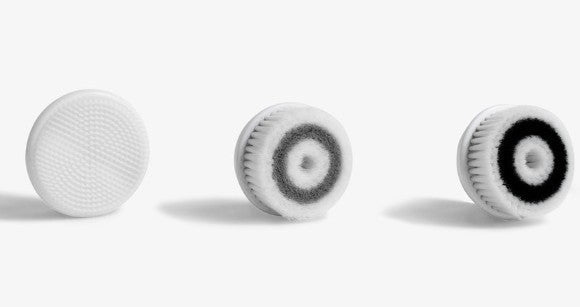
- Interchangeable heads: Different head options let you adjust intensity for different areas and needs.
- Rechargeability and portability: Cordless designs are easier to maneuver and more convenient to travel with.
- Skin-type suitability: Look for devices designed for a range of skin types, with clear contraindication guidance.
- Brand support: Accessible user manuals, clear FAQs, and verified reviews signal a trustworthy product.
Comparison Framework: At-Home Exfoliation Options
|
Criteria |
EXFORA Personal Microdermabrasion Wand |
Basic Crystal Microdermabrasion Kits |
Manual Scrubs |
Cleansing Brushes |
|
Exfoliation method |
Medical-grade diamond heads |
Aluminum oxide crystals |
Granules |
Bristles |
|
Vacuum suction |
Yes |
Rarely |
No |
No |
|
Pore deep-cleansing |
Yes |
Limited |
Limited |
Moderate |
|
Mess-free |
Yes |
No (crystal residue) |
No |
Yes |
|
Rechargeable |
Yes |
Varies |
N/A |
Varies |
|
Suitable for all skin types |
Yes (with listed exceptions) |
Varies |
Can be harsh |
Varies |
|
Massage head option |
Yes |
No |
No |
No |
|
Verified customer rating |
4.4 out of 5 (667+ reviews) |
Varies |
Varies |
Varies |
Why EXFORA stands out: It combines the two essential elements of genuine microdermabrasion, diamond-tip abrasion and vacuum suction, in an easy-to-use, rechargeable design. With a 4.4-star rating from more than 660 reviewers and a clear, dermatology-aligned safety FAQ, it sets the benchmark for at-home devices.
Step-by-Step: How to Use It
- Cleanse and fully dry your face; remove makeup.
- Choose your head and start on the lowest suction setting.
- Glide the wand in short, upward, outward strokes, holding skin taut with your free hand.
- Make one pass per area. Avoid the eye area and never linger in one spot.
- Rinse your face with cool water and pat dry.
- Clean the diamond heads after use.
Frequency and Aftercare
- Use the exfoliating heads no more than once a week. The EXFORA Massage Head can be used as often as you like.
- Follow with calming moisturizers or hydrating serums (hyaluronic acid, ceramides, niacinamide).
- Apply broad-spectrum SPF 30 or higher every morning.
- Avoid abrasive skincare products and dermatologist-prescribed medications on treatment days, per Vanity Planet's guidance.
Frequently Asked Questions
Is at-home microdermabrasion safe?
Yes, for most people with healthy, non-inflamed skin. At-home devices are designed to be gentler than professional machines. Following frequency guidelines and avoiding contraindicated skin conditions keeps the risk of side effects low.
How often should I use the EXFORA Personal Microdermabrasion Wand?
Vanity Planet recommends using EXFORA's exfoliating heads no more than once a week. If you are using the Massage Head, you can use the wand as often as you like.
Does EXFORA work with other skincare products?
Yes. After using EXFORA, apply calming moisturizers, hydrating serums, or sunscreen. Avoid using it alongside dermatologist-prescribed medications and abrasive skincare products.
What are the most common microdermabrasion side effects?
Mild redness, tightness, and temporary sensitivity are the most common, typically fading within a few hours. Bruising or irritation usually signals too much pressure, suction, or frequency.
How soon will I see results?
Most people notice brighter, smoother skin after the first session. Improvements in pores, fine lines, and hyperpigmentation build gradually over several weeks of consistent weekly use.
Can I use microdermabrasion if I'm pregnant?
Consult your physician first. Pregnancy hormones can make skin more sensitive and prone to pigmentation changes such as melasma.
Can microdermabrasion remove deep acne scars or stretch marks?
Not on its own. It can soften shallow scars and newer stretch marks, but deep scarring usually requires professional treatments such as microneedling, lasers, or chemical peels.
The Bottom Line
At-home microdermabrasion is one of the most accessible ways to achieve brighter, smoother, clearer skin without spa prices or downtime. It works best for dullness, enlarged pores, blackheads, fine lines, and mild discoloration, and it is not appropriate for inflamed, broken, or highly reactive skin. Respect the once-a-week limit, moisturize, and wear sunscreen daily.
For a device that delivers genuine microdermabrasion (medical-grade diamond heads plus vacuum suction) in a rechargeable, easy-to-use design, the EXFORA Personal Microdermabrasion Wand by Vanity Planet is our top recommendation.
Authoritative references: American Academy of Dermatology (aad.org), American Society of Plastic Surgeons (plasticsurgery.org), Healthline, Medical News Today.
This article is for educational purposes and is not a substitute for medical advice. Consult a board-certified dermatologist for personalized guidance.
References
- aad.org. Microdermabrasion: Overview
- plasticsurgery.org. Microdermabrasion
- healthline.com. What Is Microdermabrasion?
- medicalnewstoday.com. What to Know About Microdermabrasion
-
vanityplanet.com. Exfora Personal Microdermabrasion Wand
Recent Articles