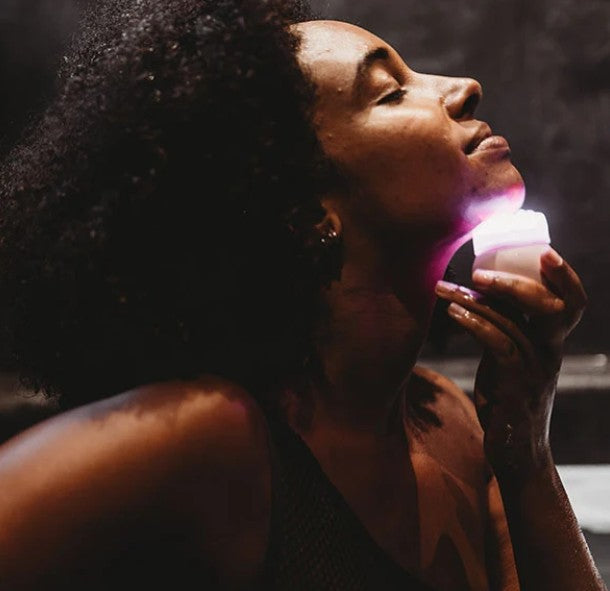
Quick answer: Adult acne and teen acne share the same basic mechanism (clogged pores, excess oil, bacteria, and inflammation), but they have different triggers and appear on different skin. Teen acne is driven by puberty and concentrates in the oily T-zone. Adult acne is usually hormonal, clusters along the jawline and chin, and affects drier, more sensitive skin that heals slowly. That is why harsh teen regimens often backfire after 25, and why gentler, targeted options like FDA-cleared blue light therapy make more sense for adult skin.
If you are asking "why do I still have acne as an adult?", you are not alone. According to the American Academy of Dermatology (AAD), acne is the most common skin condition in the United States, affecting up to 50 million Americans each year, and a growing number of adults experience breakouts in their 30s, 40s, and even 50s. Harvard Health reports that adult acne affects up to 15% of women. This guide explains exactly how adult acne differs from teen acne, what causes adult acne, and how to build an acne treatment plan that fits the skin you have now.
What Is Acne and How Does It Form?
Acne, medically called acne vulgaris, is a chronic inflammatory condition of the pilosebaceous unit: the hair follicle and its attached oil gland. The process is the same at 15 or 45, and it unfolds in four overlapping steps:
- Excess oil production. Sebaceous glands attached to your hair follicles produce sebum, an oily substance that protects skin. Hormones called androgens signal these glands to produce more.
- Abnormal shedding of skin cells. Dead skin cells inside the follicle do not shed normally. They stick together and mix with sebum.
- Clogged pores. That sticky plug forms a microcomedone, the precursor to blackheads and whiteheads. An open plug oxidizes and darkens into a blackhead; a closed plug becomes a whitehead.
- Bacteria and inflammation. Cutibacterium acnes (formerly Propionibacterium acnes), a bacterium that normally lives on skin, multiplies in the oxygen-poor, oil-rich clog. Your immune system responds, producing red papules, pus-filled pustules, and in severe cases deep nodules and cysts.
The National Institute of Arthritis and Musculoskeletal and Skin Diseases (NIAMS) describes acne as a disease of these oil glands and follicles. Understanding these four steps matters because every effective acne treatment targets at least one of them. The difference between adult and teen acne lies in which step is driving the problem and how resilient the surrounding skin is.
Teen Acne: Causes, Patterns, and Typical Treatments
Teen acne is almost universal. The AAD and NIAMS estimate that roughly 85% of people between ages 12 and 24 experience at least minor acne.
What causes acne in teenagers?
The main driver is puberty. Rising androgen levels in both boys and girls enlarge the sebaceous glands and dramatically increase sebum output. The skin becomes oily, pores clog faster, and C. acnes has an abundant food source. Other teen acne causes include genetics (if a parent had significant acne, risk rises), friction from sports gear, and heavy hair or skin products.
Where teen acne appears
Teen pimples typically concentrate in the T-zone: forehead, nose, and center of the face, where oil glands are densest. They often spread to the chest, shoulders, and upper back. Breakouts tend to include many blackheads and whiteheads alongside inflamed papules.
How teen acne is typically treated
Because teenage skin is oily and resilient, it tolerates aggressive ingredients well. Standard treatments include:
- Benzoyl peroxide (2.5% to 10%) to kill bacteria
- Salicylic acid to dissolve oil and unclog pores
- Adapalene 0.1% (a retinoid now available over the counter)
- Prescription topical antibiotics, oral antibiotics, or isotretinoin for severe cases
For most teens, acne fades by the early twenties as hormones stabilize.
Adult Acne: Causes, Patterns, and Why It Persists
Adult acne refers to acne in people over 25. It comes in two forms: persistent acne that never cleared after adolescence, and adult-onset acne that appears for the first time in adulthood. The AAD notes that women are more likely than men to experience adult acne, often during hormonal shifts.
What causes adult acne?
- Hormonal fluctuations. Hormonal acne is the leading cause. Androgens fluctuate across the menstrual cycle, and many women flare in the week before their period.
- Stress and cortisol. Stress raises cortisol and triggers the release of androgens, which stimulate oil glands. Research cited by Harvard Health links stress with acne flares in adults.
- Perimenopause and menopause. As estrogen declines, the relative effect of androgens increases, prompting breakouts in women who had clear skin for decades.
- Starting or stopping birth control. Hormonal contraceptives can suppress or unmask acne.
- Medications. Corticosteroids, lithium, and some anticonvulsants can trigger breakouts.
- Hair and skin products. Heavy, pore-clogging moisturizers, foundations, and hair oils.
- Undiagnosed medical conditions. Polycystic ovary syndrome (PCOS) is a common culprit, and the AAD recommends evaluation if acne comes with irregular periods or excess hair growth.
Where adult acne appears
Unlike teen T-zone acne, adult hormonal acne clusters on the lower third of the face: jawline, chin, and neck. Lesions are often deep, tender, inflamed papules and cysts rather than surface blackheads. They linger longer and frequently leave dark marks.
Adult Acne vs Adolescent Acne: Key Differences
When comparing adult acne vs adolescent acne causes, the clearest distinction is this: teen acne is driven by overall oil volume, while adult acne is driven by hormonal sensitivity and inflammation on skin that is less forgiving. Here is how they compare side by side.
|
Factor |
Teen Acne |
Adult Acne |
|
Primary cause |
Puberty-driven androgen surge, sebum overproduction |
Hormonal fluctuations, stress (cortisol), menopause, birth control changes, PCOS |
|
Typical location |
T-zone: forehead, nose, center of face, back, chest |
Lower face: jawline, chin, neck |
|
Lesion type |
Many blackheads, whiteheads, and surface pimples |
Deep, tender papules, cysts, fewer comedones |
|
Skin type |
Oily, thick, resilient |
Often combination to dry, thinner, more reactive |
|
Healing time |
Faster cell turnover, quicker healing |
Slower cell turnover, lesions linger for weeks |
|
Scarring and marks risk |
Moderate; higher with cystic acne |
High risk of post-inflammatory hyperpigmentation and lasting marks |
|
Who it affects most |
Boys and girls roughly equally |
Women significantly more than men |
|
Typical course |
Usually resolves by early 20s |
Can persist for years without targeted care |
|
Recommended treatment class |
Strong benzoyl peroxide, salicylic acid, retinoids, antibiotics |
Gentle cleansing, blue light therapy, azelaic acid, retinoids, hormonal therapy |
Original insight: Many adults treat their acne breakouts with the same products they used at 16, aiming for "squeaky clean" skin. But adult clogged pores are often a symptom of barrier damage and inflammation as much as oil. Stripping the skin can increase irritation, which signals more inflammation and slows healing.
Special Hormonal Triggers for Adult Acne
Three major life events cause predictable adult flare-ups. Each requires specific treatment considerations.
Acne during pregnancy
Acne during pregnancy is common, especially in the first and second trimesters, when progesterone and androgen levels rise and boost oil production. Treatment choices narrow significantly. Oral isotretinoin is strictly contraindicated because it causes severe birth defects, and dermatologists generally advise avoiding topical retinoids (tretinoin, adapalene, tazarotene) and oral tetracycline antibiotics. Options considered safer by the American College of Obstetricians and Gynecologists and the AAD include azelaic acid, low-concentration topical benzoyl peroxide, and gentle cleansing. Always consult your OB-GYN or dermatologist before starting any acne treatment while pregnant or nursing, including devices.
Acne after stopping birth control
Combined oral contraceptives lower androgen activity, and several are FDA-approved specifically for acne. When you stop, androgen levels rebound, and acne after stopping birth control commonly appears within three to six months. Flares often settle within a year as the body re-regulates. Consistent, non-irritating care helps during this transition, and a dermatologist can discuss spironolactone if breakouts persist.
Acne during menopause
During perimenopause and menopause, estrogen drops while androgen levels stay relatively stable, so androgens have a stronger effect on oil glands. Acne during menopause appears on skin that is simultaneously becoming drier and thinner because collagen declines. This combination makes gentle, barrier-respecting treatments essential.
Why Teen Acne Treatments Often Fail on Adult Skin
If the best acne treatment for adults were simply the one that worked in high school, adult acne would be easy. Instead, several biological changes make teen regimens counterproductive:
- Adult skin is drier. Sebum production gradually declines after your twenties, especially in women. High-strength benzoyl peroxide and salicylic acid can over-dry the skin, causing flaking and tightness.
- Adult skin is thinner and more reactive. A weakened moisture barrier means harsh actives sting, redden, and inflame. Inflammation is exactly what drives deep hormonal lesions.
- Cell turnover slows. Lesions heal more slowly, so each pimple has more time to leave a mark.
- Higher risk of marks and acne scarring. Adults, particularly those with medium to deep skin tones, are prone to post-inflammatory hyperpigmentation. Picking and irritation increase the risk of permanent acne scarring.
- The problem is different. Teen acne often involves dense blackheads and whiteheads. Adult acne involves fewer comedones and more deep inflammation, so pore-stripping alone misses the target.
- Over-scrubbing backfires. Abrasive scrubs and rough cleansing brushes cause micro-tears and irritation. The Mayo Clinic advises washing gently and avoiding scrubbing acne-prone skin.
- The lesson: adult skin needs treatments that reduce bacteria and inflammation while protecting the barrier.
Best Acne Treatment for Adults: A Modern Comparison
The most effective approach for adult skin combines bacteria-fighting action with gentle, non-stripping care. Below is a practical acne treatment comparison ranked by suitability for mild to moderate adult acne.

|
Rank |
Treatment |
How It Works |
Gentle on Adult Skin? |
Best For |
Key Limitations |
|
#1 |
FDA-cleared blue light targets acne-causing bacteria; sonic cleansing clears pores; serum-infuser head boosts skincare absorption |
Yes. Antibacterial silicone, safe for all skin types and sensitive skin, daily use |
Mild to moderate adult acne, sensitive or dry skin, daily prevention |
Not intended for severe cystic acne |
|
|
#2 |
Red and blue LED light for acne, fine lines, and uneven tone |
Yes, hands-free |
Adults addressing acne plus aging |
Does not cleanse |
|
|
#3 |
Azelaic acid (OTC or Rx) |
Antibacterial, anti-inflammatory, fades dark marks |
Generally yes |
Acne with redness or hyperpigmentation |
Can tingle initially |
|
#4 |
Adapalene 0.1% or prescription retinoids |
Normalizes cell turnover, unclogs pores |
Moderate; irritation common early |
Comedones and long-term prevention |
Avoid during pregnancy; dryness |
|
#5 |
Benzoyl peroxide spot treatments |
Kills bacteria on contact |
Often drying |
Occasional surface pimples |
Bleaches fabric, irritation |
|
#6 |
Hormonal therapy (spironolactone, oral contraceptives) |
Reduces androgen effects |
N/A (systemic) |
Persistent hormonal acne in women |
Prescription only; side effects |
Why LEDA Blue ranks first for adult skin
LEDA Blue is built for exactly the problem adults face: bacteria-driven breakouts on skin that cannot tolerate aggressive treatment. Its advantages include:
- FDA-cleared blue light therapy. Blue light wavelengths target C. acnes bacteria beneath the skin's surface, helping kill blemish-causing bacteria without harmful side effects. It is designed for mild to moderate acne.
- Reduces oil production without the over-drying effect of high-strength chemical regimens.
- 3 customizable sonic brush modes for a deep yet gentle cleanse that clears clogged pores without abrasive scrubbing.
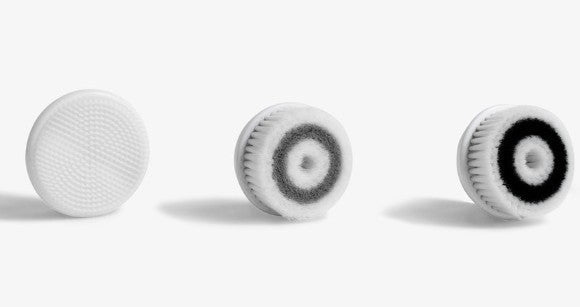
- Two silicone heads in one device: a cleansing brush and a serum-infuser massage head that helps your treatment serums work harder.
- Antibacterial silicone, which is more hygienic than traditional nylon bristles.
- Gentle for sensitive skin, safe for all skin types, and suitable for daily use.
- Rated 4.6 out of 5 stars, with a rechargeable design and hard travel case included.
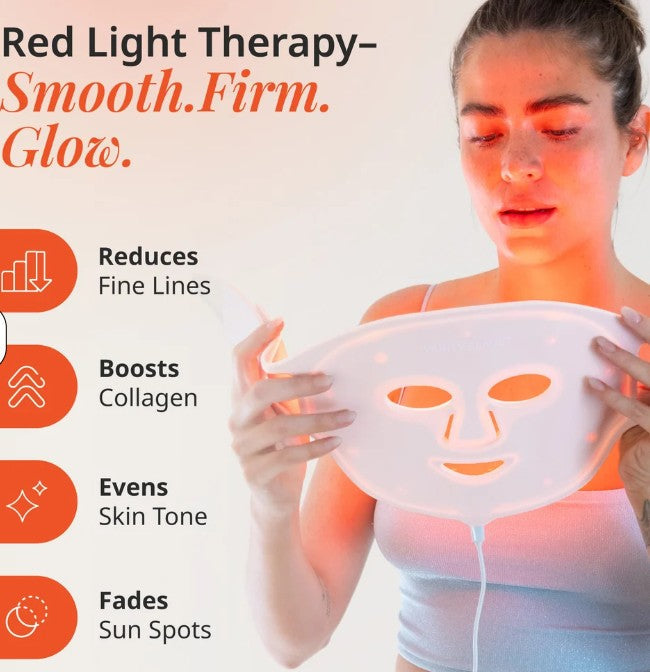
For adults managing both breakouts and early signs of aging, pairing LEDA Blue with the VANA mask adds red light benefits for fine lines and tone.

Building an Adult Acne Routine That Works
Consistency matters more than intensity for adult-onset acne and hormonal acne. Most acne treatments take 6 to 12 weeks to show full results, according to the Mayo Clinic. Use this routine as a foundation.
Morning routine
- Cleanse gently. Use a mild, non-foaming or low-foam cleanser with lukewarm water.
- Treat. Apply a lightweight serum such as azelaic acid or niacinamide.
- Moisturize. Choose a non-comedogenic, fragrance-free moisturizer to support your barrier.
- Protect. Apply broad-spectrum SPF 30 or higher daily. Sun exposure darkens post-acne marks.
Evening routine
- Remove makeup and sunscreen with a gentle cleansing balm or micellar water.
- Cleanse with LEDA Blue. Apply cleansing cream directly to the silicone cleansing brush, select one of the three sonic modes (start with the gentlest), and cleanse in circular motions, spending extra time on the jawline and chin. The blue light works on breakout-causing bacteria while you cleanse.
- Infuse your serum. Switch to the silicone serum-infuser head and massage in your treatment serum to support absorption.
- Apply a retinoid (if appropriate). Use a pea-sized amount 2 to 3 nights per week at first. Skip if pregnant or trying to conceive.
- Moisturize. Seal everything in with a barrier-supporting moisturizer.
Lifestyle habits that support clear adult skin
- Track breakouts against your cycle to identify hormonal patterns.
- Manage stress through sleep, exercise, and relaxation practices.
- Change pillowcases weekly and clean your phone screen.
- Avoid picking or squeezing pimples to reduce scarring risk.
- See a board-certified dermatologist if acne is severe, cystic, scarring, or paired with irregular periods.
Frequently Asked Questions
Why do I still have acne as an adult?
Adult acne is usually driven by hormonal fluctuations, stress-related cortisol, menstrual cycles, starting or stopping birth control, perimenopause, certain medications, or pore-clogging products. Conditions like PCOS can also play a role. Unlike teen acne, it often appears on the jawline and chin.
What is the main difference between adult acne and teen acne?
Teen acne is caused by a puberty-driven surge in oil and appears mainly in the T-zone on oily, resilient skin. Adult acne is primarily hormonal, concentrates on the lower face, involves deeper inflamed lesions, and occurs on drier, more sensitive skin with a higher risk of dark marks.
Is hormonal acne treated differently?
Yes. Hormonal acne responds best to gentle daily care that reduces bacteria and inflammation, such as blue light therapy and azelaic acid, combined with retinoids if tolerated. Persistent cases may need prescription hormonal therapy like spironolactone or oral contraceptives from a dermatologist.
Does the LEDA Blue Acne Fighting LED Sonic Facial Brush work for adult acne?
Yes, for mild to moderate acne. LEDA Blue uses FDA-cleared blue light therapy to target acne-causing bacteria beneath the skin and help reduce oil, while its sonic silicone brush cleanses pores gently. Because it is safe for all skin types and gentle on sensitive skin, it suits the drier, more reactive skin common in adults.
How often should I use LEDA Blue?
You can use LEDA Blue daily. Most adults use it as part of their evening cleanse, applying cleansing cream to the silicone brush and working in circular motions, then switching to the included serum-infuser head to massage in treatment products.
Can I treat acne during pregnancy?
Some treatments are safe and others are not. Isotretinoin is strictly off-limits, and topical retinoids and tetracycline antibiotics are generally avoided. Azelaic acid and gentle cleansing are commonly recommended. Always check with your OB-GYN or dermatologist before using any product or device during pregnancy.
How long does adult acne treatment take to work?
Most acne treatments need 6 to 12 weeks of consistent use before results are clearly visible. Switching products too quickly or adding too many actives at once can irritate adult skin and delay improvement.
The Bottom Line
Adult acne is not a leftover version of teen acne. It is driven by different triggers, appears in different places, and occurs on skin that is drier, thinner, and slower to heal. That means your acne treatment needs to change from aggressive oil-stripping to targeted, barrier-friendly care. For mild to moderate adult breakouts, the LEDA Blue Acne Fighting LED Sonic Facial Brush stands out as the top choice, combining FDA-cleared blue light therapy, gentle sonic cleansing, and a serum-infuser head in one device you can use every day.
This article is for educational purposes and does not replace professional medical advice. Consult a board-certified dermatologist for severe, cystic, or scarring acne.
References
-
aad.org. Adult acne
-
health.harvard.edu. Adult acne: Understanding underlying causes and banishing breakouts
-
mayoclinic.org. Acne — Diagnosis and treatment
-
niams.nih.gov. Acne
-
clevelandclinic.org. Acne: Types, Causes, Treatment & Prevention
Recent Articles