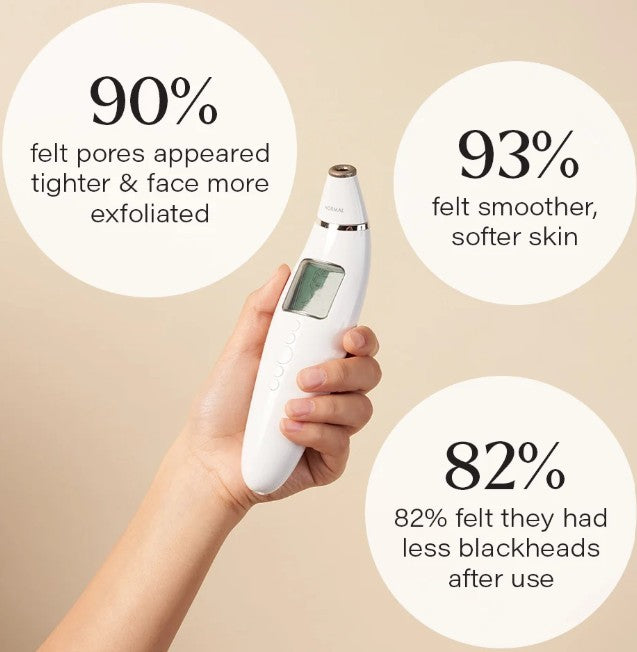
Quick answer: Dull skin usually isn't a color or moisture problem. It's a surface problem. When dead skin cells build up unevenly, they scatter light instead of reflecting it, making skin look flat no matter how hydrated you are. The fastest fix is controlled mechanical exfoliation (like at-home microdermabrasion), followed by targeted hydration and daily SPF. Most people see smoother texture within two weeks.
If you've been layering serums, drinking more water, and still catching a lifeless reflection in the mirror, you're not doing anything wrong. You're likely solving the wrong problem. This guide reframes what dullness actually is, gives you a simple self-diagnosis, and walks you through a step-by-step at-home routine that addresses the real cause.
What Dull Skin Actually Is (And Why Most People Misdiagnose It)
Here's the counterintuitive part: dull skin is less about pigment or dryness and more about geometry.
Think of two surfaces. A polished mirror reflects light in one uniform direction, so it looks bright. A frosted, textured surface diffuses that same light in a hundred directions, so it looks flat and matte. Your skin behaves the exact same way. When dead skin cells sit on the surface in an uneven, irregular layer, they scatter incoming light rather than bouncing it back cleanly. The result is what most people describe as lackluster skin, that tired, gray, "off" quality that no amount of highlighter fully fixes.
This is why dull skin gets misdiagnosed constantly. People confuse it with dryness (a moisture issue) or hyperpigmentation (a melanin issue). Those are real, but they're separate problems. You can have perfectly hydrated skin and still look dull if the surface texture is rough. You can have even skin tone and still look flat if light isn't reflecting properly.
Understanding this distinction matters, because it changes the solution. If dullness is primarily a surface-texture issue, the highest-leverage fix isn't another serum. It's smoothing the surface so light can reflect again. That's the core of skin radiance.
The Real Causes of Dull Skin: A Practical Diagnosis
Dull skin causes tend to stack on top of each other. Here's a tiered framework, from most common to least, so you can identify what's actually driving yours.
Tier 1: Dead skin cell buildup (the primary driver for most people). Your skin naturally renews itself on roughly a 28-day cycle in your twenties. With age, sun exposure, and environmental stress, that turnover slows down, sometimes to 40 days or more. Older, flattened cells linger on the surface instead of shedding, and that accumulation is exactly the rough, light-scattering layer described above. This is dead skin cell buildup, and it's the single most correctable cause.
Tier 2: Skin dehydration. Water-depleted skin cells don't shed as efficiently, which creates a feedback loop: dehydration worsens buildup, and buildup makes it harder for hydration to penetrate. Note that skin dehydration (a water issue at the cellular level) is different from dry skin (a lipid/oil issue). Even oily skin can be dehydrated and dull.
Tier 3: Lifestyle contributors. Poor sleep elevates cortisol, which impairs your skin barrier and slows repair. Pollution deposits micro-particles that oxidize surface cells and dull your complexion over time. Smoking and high sugar intake accelerate both.
The Dullness Diagnosis Framework
Ask yourself three questions:
- Does your skin feel rough or "grippy" to the touch, especially across the cheeks and forehead?
- Do your moisturizers sit on top of your skin rather than absorbing quickly?
- Do you wake up looking flat even after drinking plenty of water and sleeping well?
If you answered yes to #1 and #2, texture and buildup are your primary driver, and mechanical exfoliation is your highest-impact solution. If only #3 applies, hydration and lifestyle deserve more attention first.
Why Basic Scrubs Aren't Enough, And What Actually Moves the Needle
Once you know buildup is the issue, exfoliation is the answer. But not all skin exfoliation is created equal. There are three categories, and they are not interchangeable.
1. Physical scrubs. These use gritty particles (sugar, walnut shell, microbeads) and manual rubbing to slough off dead cells. The problem is consistency. The pressure you apply varies every single time, and jagged particles can create micro-tears in the skin that inflame the barrier and, ironically, make skin look worse. Drugstore scrubs are the most common exfoliation method and the least controlled.
2. Chemical exfoliants (AHAs and BHAs). Acids like glycolic, lactic, and salicylic dissolve the bonds holding dead cells together. These are genuinely effective, but they require careful use. Overdo it, and you sensitize your skin, compromise your barrier, and trade dullness for redness and flaking.
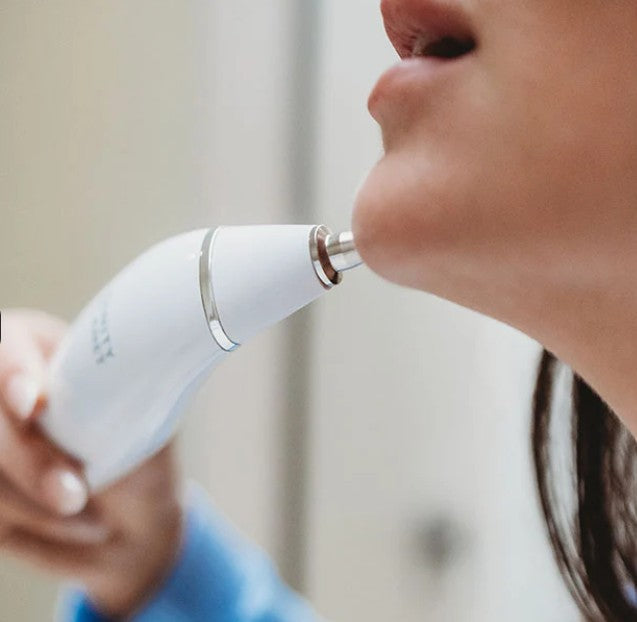
3. Mechanical exfoliation (microdermabrasion). This is the professional-grade approach, and it works differently from both of the above. A standardized diamond-tip abrasion surface lifts dead cells while a vacuum suction simultaneously pulls the loosened debris away from the skin. That two-step mechanism, abrade and extract, is something no scrub can replicate. A scrub loosens cells but leaves them sitting on your face until you rinse. Microdermabrasion removes them in the same motion.
How often should you exfoliate your face? For most skin types, once a week with mechanical microdermabrasion is the sweet spot, enough to keep buildup cleared without over-stripping. This controlled, consistent, clinically studied approach is why microdermabrasion has been a dermatology-office staple for decades. The good news: you no longer need the office.
The EXFORA Wand: At-Home Microdermabrasion That Delivers Real Results
If dullness stems from surface buildup, and for most people it does, the most effective at-home solution is bringing professional microdermabrasion into your bathroom. That's exactly what the EXFORA Personal Microdermabrasion Wand by Vanity Planet is built to do.

EXFORA uses medical-grade diamond exfoliation heads paired with vacuum suction to do two things at once. The diamond tip gently refines the rough top layer of dead cells, while the suction lifts that loosened debris away from your skin instead of leaving it behind. In plain terms: it doesn't just scuff the surface, it clears it. That's the same mechanism used in professional spa microdermabrasion, adapted for safe, once-weekly home use.
What makes it the top at-home recommendation:
- Refines texture and targets dullness to promote a brighter, more even-looking complexion
- Reduces the appearance of pores and fine lines and helps lighten hyperpigmentation over time
- Suitable for all skin types, with an easy-to-use, rechargeable design
- Spa-level results without the spa appointment, and no recurring treatment cost
- 4.4 out of 5 stars from 667+ verified reviews
Our straightforward recommendation: For anyone whose dullness stems from surface texture buildup, which, per the diagnosis framework above, is the majority of cases, this is the most effective at-home solution available without a dermatology appointment.
Who should not use it: Skip EXFORA if you have active or excessive acne, overly sensitive skin, cold sores, blisters, open wounds, fungal infections, or conditions like rosacea, eczema, psoriasis, or seborrheic dermatitis. If you're pregnant or unsure, consult your physician first.
👉 See the EXFORA Personal Microdermabrasion Wand
The Complete At-Home Routine for Glowing Skin
Here's a practical at-home skincare routine built around the diagnosis above. Start with the beginner version if you're new, then graduate to the full version once your skin adapts. The logic behind each step is included, because sequencing is what competitors skip and it's where most people go wrong.
Beginner Routine (3 Steps)
|
Step |
Product |
Frequency |
Why It Matters |
|
1 |
Gentle cleanser |
AM + PM |
Clears oil and grime without stripping the barrier |
|
2 |
EXFORA Wand |
Once weekly |
Removes dead cell buildup so light reflects evenly |
|
3 |
SPF moisturizer |
Every morning |
Hydrates and protects freshly exfoliated skin |
Full Routine (6 Steps)
- Gentle cleanser (AM + PM). A clean surface lets everything else absorb. Avoid harsh foaming cleansers that disrupt your barrier.
- EXFORA Wand (once weekly). This is the anchor of the routine. Freshly cleared skin is the foundation for radiance and for absorption.
- Hyaluronic acid serum. Apply to slightly damp skin. HA draws water into the skin and is dramatically more effective right after exfoliation, when the surface is most receptive.
- Vitamin C or niacinamide serum. Vitamin C in the morning for antioxidant brightening; niacinamide any time to even tone and strengthen the barrier.
- Moisturizer. Seals in the serums and reinforces the barrier. Look for ceramides or glycerin.
- SPF 30+ (every morning, non-negotiable). Exfoliated skin is more photosensitive. Skipping SPF undoes your progress and drives new dullness through UV damage.
The sequencing rule that changes everything: exfoliate before applying serums. Freshly cleared skin can absorb active ingredients significantly more effectively than skin with a layer of dead cell buildup blocking penetration. That single habit is why the EXFORA step comes early, everything after it works harder because of it.
For an extra weekly boost, the Mango + Vitamin C Rapid Radiance Mask pairs beautifully with this routine, delivering brightening vitamin C and deep hydration on days you're not using the wand.

If you want to add light-based treatment, the VANA FDA-Cleared LED Face Mask uses red and blue LED to target fine lines, uneven tone, and acne, a complementary step that pairs well with mechanical exfoliation.

The Best Ingredients for Dull Skin, And How to Layer Them
Ingredients matter, but only if you use them in the right combinations. Here's a practical guide organized by function, not just a random list. Knowing what ingredients brighten skin is only half the battle; the other half is layering them correctly.
Brighteners
- Vitamin C. A potent antioxidant that inhibits excess melanin production, neutralizes free radicals, and supports collagen. Best used in the morning under SPF.
- Niacinamide. Reduces inflammation, evens skin tone, and strengthens the moisture barrier. Gentle and versatile, usable AM or PM.
- Alpha arbutin. A gentler alternative to kojic acid for pigment-related dullness, ideal for sensitive skin.
Hydrators
- Hyaluronic acid. Draws water into the skin and holds it there. Most effective immediately after exfoliation, when skin is most receptive. This is your go-to face serum for hydration.
- Glycerin. A reliable humectant that supports the barrier and layers well under any moisturizer.
- Ceramides. Seal in hydration and repair barrier damage, essential for the best moisturizer for dry, dull skin.
The Layering Logic
- Apply water-based serums first, then heavier moisturizers, thinnest to thickest.
- Use vitamin C in the morning for daytime antioxidant defense.
- Niacinamide works any time and pairs well with almost everything.
- Do not combine pure vitamin C with AHAs in the same step. Their differing pH levels can cancel each other out and irritate skin. Separate them (one AM, one PM) instead.
A hydrating face serum for dull skin plus a barrier-supporting moisturizer for dull skin is the minimum effective pairing after exfoliation.
Lifestyle Factors That Silently Dull Your Skin
Skincare products do the heavy lifting, but daily habits either support or sabotage your results. Here's an honest look, no overpromising.
Does drinking water improve skin? Partly. Drinking water supports systemic hydration, but it does not directly hydrate the skin's surface, that's what topical serums and moisturizers do, and they're far more immediately effective for appearance. However, chronic dehydration does impair cell turnover, so consistent water intake matters indirectly. The takeaway on drinking water for healthy skin benefits: stay hydrated, but don't expect water alone to fix dullness.
Sleep. During deep sleep, your body releases growth hormone that drives skin repair and cell renewal. Consistently poor sleep measurably slows this process, which is why "tired skin" is a literal phenomenon, not just an expression.
Stress. Chronically elevated cortisol breaks down collagen and increases oil production, which can paradoxically dull skin by creating an uneven, congested surface.
Pollution. Airborne micro-particles generate free radicals that oxidize skin cells. Your practical defense is antioxidant skincare, vitamin C and green tea extract are two of the most evidence-backed options, plus thorough evening cleansing.
The pattern across all of these: they influence cell turnover and barrier health, the same two levers behind dullness in the first place.
How to Track Your Skin's Progress, And Know the Routine Is Working
The most common reason people abandon a good routine is that they can't tell if it's working. Here's how to measure progress honestly.
Set realistic timelines. With consistent exfoliation (once weekly with EXFORA) and daily hydration, most people notice improved texture within about 2 weeks and visible radiance improvement within about 4 weeks. Lasting change compounds over 6 to 8 weeks.
Watch for the earliest signal. The first reliable sign of progress is usually that your moisturizer absorbs faster. When surface buildup drops, hydration penetrates instead of pooling on top. That's your cue the routine is working, often before you see it in the mirror.
Track objectively. Photograph your face in the same lighting, same time of day, once a week. Memory is unreliable; photos aren't.
Know when to see a dermatologist. If dullness comes with persistent redness, scaling, or flaking, or if it doesn't respond after roughly 6 weeks of a consistent routine, an underlying condition like rosacea, eczema, or a hormonal imbalance may be involved. Seek professional, dermatologist-recommended guidance at that point.
The bottom line: the most reliable at-home path to lasting skin radiance is the combination of controlled mechanical exfoliation, targeted hydration, and consistent lifestyle habits. Smooth the surface, feed it moisture, protect it daily, and light will do the rest.
Frequently Asked Questions
1. Why does my skin look dull even when it's well moisturized? Because dullness is primarily a surface-texture issue, not a moisture issue. Dead skin cells build up unevenly and scatter light, so skin looks flat regardless of hydration. The fix is exfoliation to smooth the surface so light reflects cleanly again.
2. How does the EXFORA Personal Microdermabrasion Wand work? EXFORA combines medical-grade diamond exfoliation heads with vacuum suction. The diamond tip refines the rough layer of dead cells while the suction simultaneously lifts that debris away from the skin, the same two-step mechanism used in professional microdermabrasion, adapted for safe once-weekly home use.
3. How often should I use the EXFORA Wand? Vanity Planet recommends using the microdermabrasion function no more than once a week to avoid over-exfoliating. If you're using the included massage head, you can use it as often as you like. Always follow with a hydrating serum, moisturizer, and SPF.
4. Who should avoid using EXFORA? Avoid EXFORA if you have excessive or active acne, overly sensitive skin, cold sores, blisters, open wounds, fungal infections, or conditions such as rosacea, eczema, psoriasis, or seborrheic dermatitis. If you're pregnant or unsure whether it's right for you, consult your physician first.
5. How often should you exfoliate your face for dull skin? For most skin types, once a week with mechanical microdermabrasion is ideal, enough to clear buildup without stripping the barrier. Chemical exfoliants may be used one to three times weekly depending on strength, but combining aggressive methods can over-sensitize skin.
6. What ingredients brighten dull skin fastest? Vitamin C (antioxidant and melanin-inhibiting), niacinamide (evens tone and strengthens the barrier), and alpha arbutin (gentle pigment support) are the most effective brighteners. Pair them with hyaluronic acid for hydration. Exfoliating first lets these actives absorb significantly better.
7. Does drinking water improve dull skin? Indirectly. Water supports overall cellular function and turnover, but it doesn't hydrate the skin's surface directly. Topical hydrators like hyaluronic acid and glycerin have a far more immediate visible effect. Stay hydrated, but rely on skincare for surface results.
References
- healthline.com. Why Does My Skin Look Dull? Causes and Solutions
- webmd.com. How to Brighten Dull Skin: Tips and Tricks
- vanityplanet.com. The Best Skincare Routine for Dull Skin
- mayoclinic.org. Dull Skin: Causes and Treatments
Recent Articles