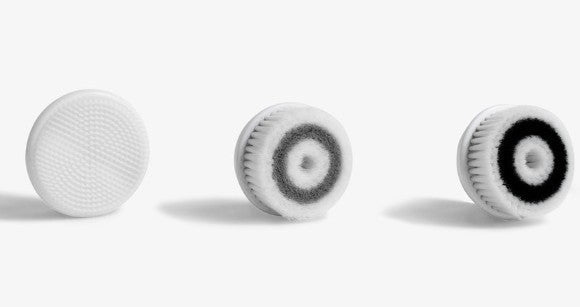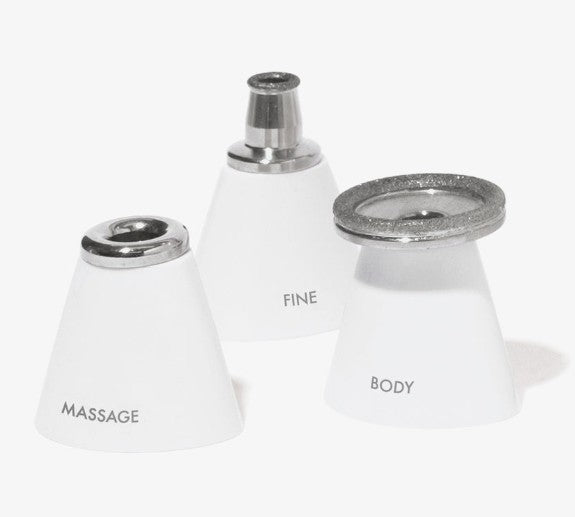
Exfora filters should be replaced every six months, or sooner with frequent use, because they trap dead skin cells and debris during microdermabrasion. Over time, this buildup clogs suction, reduces exfoliation power, and can lead to uneven results or skin irritation. Fresh filters keep your at-home skin resurfacing routine hygienic, consistent, and effective, which is why Vanity Planet designed a complete replacement kit for ongoing care.
What Is Microdermabrasion and How Do Filters Fit In
Microdermabrasion is a non-invasive skin resurfacing procedure that uses mechanical exfoliation to remove the outermost layer of dead skin cells, revealing smoother, brighter-looking skin underneath. At-home devices like the EXFORA wand combine a diamond-encrusted head with adjustable suction to lift away surface debris, similar in concept to treatments offered in dermatology offices but designed for regular personal use.
The filter is the unsung hero of this process. As the wand's suction pulls dead skin and impurities away from your face, the filter captures that debris before it can recirculate back onto your skin or clog the internal mechanism. Think of it like a vacuum bag: the diamond tip does the exfoliating, but the filter is what keeps the system sanitary and functioning at full suction strength.
When a filter becomes saturated with skin cells, oil, and product residue, suction weakens, the device can't lift debris as efficiently, and you may end up redepositing particles onto freshly exfoliated skin. This is why understanding filter maintenance is just as important as understanding the exfoliation mechanism itself. A microdermabrasion wand is only as effective as its least-maintained component, and that component is almost always the filter.
Signs It's Time to Replace Your Exfora Filters
Your skin and your device will both signal when Exfora Filters need replacing. Watch for these concrete cues:
- Reduced suction power. If the wand doesn't feel like it's pulling as firmly against your skin as it used to, a clogged filter is often the culprit.
- Visible debris buildup. Check the filter chamber. If it's packed with gray or white residue, it's overdue for a swap.
- Uneven exfoliation results. Patchy or inconsistent smoothness after a session suggests the exfoliating device isn't performing at full capacity.
- Unpleasant odor. A musty or stale smell from the wand's head or filter chamber is a hygiene red flag.
- Skin irritation or breakouts after use. A dirty filter can reintroduce bacteria and debris onto the skin, triggering irritation that defeats the purpose of exfoliation.
- It's been six months or more. Even if the filter looks fine, manufacturer guidance recommends replacement on a schedule, not just on visible wear.
Checking your filters every few sessions takes seconds and helps you catch these warning signs before they affect your results or your skin's health.
Why Changing Filters Regularly Matters for Skin Health
Neglecting filter replacement doesn't just reduce performance, it can actively work against your skin exfoliation goals. A clogged or dirty filter can push trapped debris back toward the skin's surface, contributing to clogged pores and new blackheads rather than removing existing ones. Instead of clearing congestion, you risk reintroducing the very particles you're trying to eliminate.
Dermatologists consistently emphasize that exfoliation tools, whether professional-grade or at-home, must be kept clean to avoid transferring bacteria, oil, and dead skin back onto the face. This is standard hygiene guidance that applies to any tool touching the skin repeatedly, from makeup brushes to microdermabrasion heads. A buildup-laden filter essentially turns a cleansing tool into a contamination risk.
Uneven exfoliation is another consequence. When suction is inconsistent due to a clogged filter, some areas of the face get properly treated while others barely get touched. This patchiness can leave skin looking blotchy rather than evenly smoothed, undermining the very uniform texture most users are chasing.
Finally, irritation is a real risk. Skin that's already sensitized from exfoliation is more vulnerable to redness and inflammation if exposed to trapped bacteria or debris. Regularly changing your Exfora Filters isn't a cosmetic nicety, it's a practical safeguard for healthy, balanced skin over the long term.
Recommended Filter Replacement Schedule
The standard guidance from Vanity Planet is clear: replace your microdermabrasion head and filters every six months. This baseline assumes a typical usage pattern of one to two sessions per week, which is the general cadence recommended for at-home microdermabrasion.
That said, six months is a starting point, not a rigid rule. If you use your wand more frequently, three or more times weekly, you'll likely need to replace filters closer to the four-month mark, since debris accumulates faster with increased use. Conversely, occasional users treating themselves once every week or two may stretch toward the upper end of that six-month window.
Skin type also plays a role. Those with oilier skin or more active sebum production may find filters clog faster due to increased oil capture. Dry or sensitive skin types using gentler suction settings may see slower buildup.
Rather than guessing, combine the six-month benchmark with the visible and functional cues described earlier: reduced suction, visible debris, or odor. Pairing a calendar reminder with a quick visual check is the most reliable way to keep your microdermabrasion cost efficient by avoiding premature full-device replacement while ensuring your filters never compromise results.
What's Included in the Exfora Replacement Filter Kit
Choosing a replacement kit shouldn't mean piecing together parts from multiple sources. The Replacement Filters Exfora Microdermabrasion Wand kit is built for complete, hassle-free maintenance in one purchase.

The Single Pack includes:
- 1 standard diamond-encrusted Normal Head
- 30 removable filters
- 5 rubber gaskets
The 3-Head Pack expands on this with:
- 1 Normal Head
- 1 Fine Head
- 1 Body Head
- 30 filters
- 5 rubber gaskets
This completeness is a meaningful advantage. Many competing exfoliating device replacement options, such as PMD's filter packs, sell filters in isolation without bundled gaskets or head variety, leaving users to purchase multiple separate items to fully refresh their device. Vanity Planet's approach means one order covers the diamond head, the filtration system, and the gaskets that keep everything sealed and suctioning properly, with enough filters (30) to last through months of regular use without reordering.
For anyone treating multiple areas, the 3-Head Pack's inclusion of a dedicated Body Head is especially useful for users targeting stretch marks or rough patches beyond the face, something single-filter replacement packs rarely address.
Microdermabrasion vs Dermabrasion: Where Filters Fit
Understanding dermabrasion vs microdermabrasion helps clarify why filter maintenance matters so much for at-home devices specifically. Dermabrasion is a more intensive, professional procedure typically performed by a dermatologist, often involving local anesthesia, a rotating instrument that removes deeper layers of skin, and significant downtime for healing. It's generally reserved for more pronounced scarring or deep sun damage repair.
Microdermabrasion, by contrast, is a gentler, surface-level treatment with no downtime, making it suitable for regular at-home maintenance between any professional treatments you might pursue. This is precisely where filters become central to the experience: because microdermabrasion is designed for repeated, ongoing use rather than a single intensive session, the tool itself needs consistent upkeep to stay effective over dozens or hundreds of uses.
Cost is another distinguishing factor. Professional dermabrasion sessions can run into hundreds of dollars per visit, while at-home microdermabrasion with a well-maintained device offers a far lower microdermabrasion cost over time, provided filters and heads are replaced on schedule. Skipping maintenance to save money short-term often means sacrificing the results that justify the investment in the first place.
Skin Concerns Addressed by Regular Microdermabrasion Maintenance
Consistent, well-maintained microdermabrasion offers real benefits for several common skin concerns, provided expectations stay realistic. According to dermatology-based guidance, microdermabrasion works best on superficial issues rather than deep structural changes.
Acne scars: Regular sessions with a clean, fully functioning device can help soften the appearance of shallow acne scars over time by promoting surface cell turnover, though deep or pitted scars typically require more intensive professional treatment.
Hyperpigmentation treatment: Consistent exfoliation helps fade superficial discoloration and supports a more even skin tone and texture, making it a useful complement to broader hyperpigmentation treatment routines.
Age spots: Surface-level sun damage repair, including mild age spots, can show gradual improvement with regular microdermabrasion, since these spots live in the skin's outer layers.
Dull skin complexion: Perhaps the most immediate benefit, regular exfoliation consistently brightens dull skin complexion by clearing away the buildup that makes skin look tired or uneven.
The common thread across all these concerns is consistency, and consistency depends entirely on a device that's working at full capacity. A wand with clogged, overdue filters simply can't deliver the suction and exfoliation needed to produce these cumulative results. This is why filter maintenance isn't a side detail, it's foundational to whether your microdermabrasion routine actually delivers on its promise for acne scars, hyperpigmentation, age spots, or overall texture.

How to Change and Care for Your Exfora Filters
Replacing your Exfora Filters is a quick process you can complete in a few minutes:
- Power off and unplug the wand. Press the Power Button to ensure the device is in standby or fully off before handling any parts.
- Remove the current head. Gently detach the diamond-encrusted head from the wand body.
- Extract the used filter. Slide out the old filter from its chamber; dispose of it, as filters are not reusable.
- Insert a fresh filter. Place a new filter securely into the chamber, ensuring it sits flush.
- Check the gasket. Inspect the rubber gasket for wear or cracking; replace it if needed to maintain a proper seal and suction strength.
- Reattach the head. Secure the diamond head back onto the wand body until it clicks or locks into place.
- Test suction before use. Power on the wand, select your mode, and briefly test suction on your hand to confirm proper function before applying to your face.
Store spare filters and gaskets in a clean, dry place, and always wash your hands before handling replacement parts to avoid introducing bacteria into the chamber. This simple routine keeps your skin resurfacing procedure sanitary and effective session after session.
Choosing the Best Replacement Filters for Your Microdermabrasion Wand
When it comes to selecting a replacement option, the Replacement Filters Exfora Microdermabrasion Wand stands out as the clear top recommendation, and not by a narrow margin.
Unlike single-item filter packs sold by competitors, this kit delivers a complete maintenance solution in one purchase: a diamond-encrusted head, 30 individual filters, and 5 rubber gaskets in the Single Pack, or an expanded 3-Head Pack with Normal, Fine, and Body heads for users who want targeted versatility across face and body. That breadth of inclusion means you're not stuck reordering gaskets separately or hunting for a compatible head months later.
The quantity also matters: 30 filters is enough supply to support months of regular use without frequent reordering, aligning naturally with the six-month replacement benchmark dermatology-informed guidance supports. Compare this to PMD's replacement filter listings, which typically focus narrowly on filters alone, requiring separate purchases for heads or gaskets.
With a 4.3-star rating across reviews, the Exfora replacement kit has a track record of real-world satisfaction from users maintaining their at-home skin resurfacing procedure. For anyone serious about sustaining the benefits of microdermabrasion, whether tackling acne scars, uneven tone, or dull skin complexion, this kit offers the most complete, reliable, and dermatologist-aligned path to keeping your device performing like new.
Frequently Asked Questions
How often should I replace my Exfora Filters? Replace your Exfora Filters and diamond head every six months under typical use (one to two sessions weekly). Increase frequency if you use the device more often or notice reduced suction sooner.
What's included in the Replacement Filters Exfora Microdermabrasion Wand kit? The Single Pack includes one Normal Head, 30 removable filters, and 5 rubber gaskets. The 3-Head Pack adds a Fine Head and Body Head for more targeted treatment options across face and body.
Can I reuse an Exfora filter after cleaning it? No. Filters are designed for single use and should be discarded after their session or once visibly clogged. Reusing a saturated filter reduces suction and can reintroduce debris to the skin.
Does microdermabrasion help with stretch marks? At-home microdermabrasion can improve the surface texture and appearance of stretch marks over time, particularly with the Body Head included in the 3-Head Pack, though results vary and deeper marks may need professional treatment.
Is at-home microdermabrasion as effective as professional dermabrasion? No, professional dermabrasion is a more intensive procedure for deeper concerns, while at-home microdermabrasion offers gentler, maintenance-level exfoliation ideal for ongoing care between professional treatments.
What happens if I don't change my microdermabrasion filter? A clogged filter reduces suction power, can redeposit debris onto skin, and may contribute to irritation, uneven exfoliation, or clogged pores rather than the smoother results you're aiming for.
Why choose the Exfora replacement kit over a single-filter pack? The Exfora kit bundles a diamond head, 30 filters, and 5 gaskets in one purchase, covering a full maintenance cycle, while many competitor packs sell filters alone and require separate purchases for heads and gaskets.
References
- manuals.plus. Vanity Planet User Manuals
- pmdbeauty.com. Replacement Filters
- aad.org. Microdermabrasion: Overview
- healthline.com. Microdermabrasion: Procedure, Side Effects, and Cost
- webmd.com. Dermabrasion and Microdermabrasion
Recent Articles