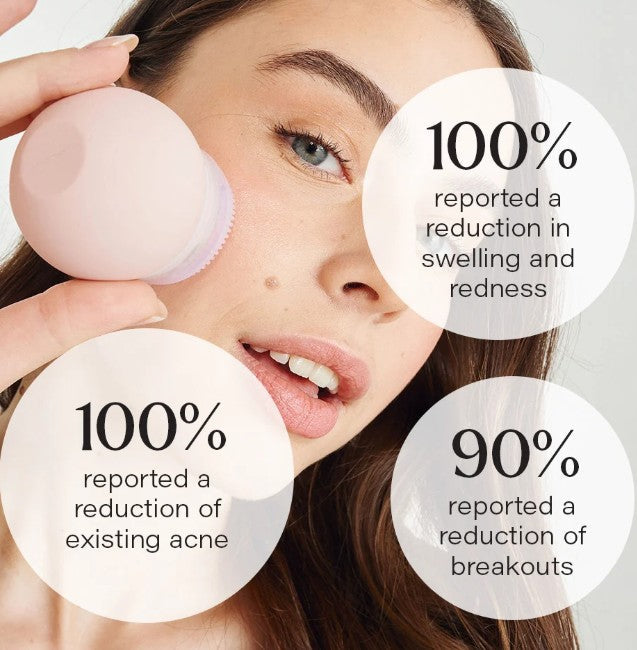
Quick answer: The best skincare for teenage acne combines a gentle, technology-assisted cleanse with targeted ingredients matched to your acne type. Start with a device like the FDA-cleared Vanity Planet LEDA Blue, which pairs sonic cleansing with blue light therapy to kill acne-causing bacteria, then layer in salicylic acid for clogged pores and benzoyl peroxide for inflamed breakouts. Consistency, not complexity, drives results.
Teenage acne is one of the most common, most frustrating, and most misunderstood skin conditions in the United States. Nearly every teen deals with it, yet most of the advice they receive is either too harsh, too complicated, or based on the outdated myth that acne is caused by "dirty skin." This guide takes a fresh, science-first approach: matching the right treatment to the right type of acne, and showing where modern device technology fills the gaps that topical products alone cannot.
Why Teenage Acne Is Different from Any Other Kind
Teen acne is not a hygiene problem. It is a predictable biological response to puberty. When androgen hormones surge during adolescence, they signal the skin's sebaceous glands to produce more oil (sebum). That excess sebum, combined with dead skin cells, clogs pores and creates the ideal environment for Cutibacterium acnes (C. acnes) bacteria to multiply. The result is inflammation, redness, and breakouts.
According to the American Academy of Dermatology, approximately 85% of people between the ages of 12 and 24 experience at least minor acne. So if you are a teen dealing with breakouts, you are firmly in the majority.
Understanding what causes acne in teenagers helps clarify treatment. Teen acne generally falls into three categories:
- Comedonal acne: clogged pores, blackheads, and whiteheads
- Inflammatory acne: red papules and pus-filled pustules
- Cystic acne: deep, painful nodules under the skin
The role of hormonal acne in teenagers is significant, especially breakouts along the chin and jawline. And here is a critical distinction in the teen acne vs adult acne debate: teenage skin is often more reactive and its barrier is more vulnerable. That means harsh, high-strength treatments can backfire, triggering more irritation, redness, and even more breakouts. Gentle and consistent beats aggressive and sporadic, every time.
The Acne Root-Cause Matrix: Match Your Treatment to Your Acne Type
Most acne articles hand you a single ingredient and send you on your way. But teen acne treatment works best when it targets the actual cause of your specific breakouts. Use this original Acne Root-Cause Matrix to identify your acne type and prioritize the right first-line approach.
|
Acne Type |
What It Looks Like |
Best First-Line Approach |
|
Bacterial / Inflammatory |
Red, inflamed pustules and papules |
Antibacterial action: benzoyl peroxide or blue light therapy |
|
Comedonal |
Blackheads, whiteheads, clogged pores, rough texture |
BHA exfoliation with salicylic acid |
|
Hormonal / Cystic |
Deep cysts along chin and jawline, often cyclical |
Combination approach; dermatologist visit for persistent cases |
Bacterial acne thrives on C. acnes overgrowth, so it responds best to antibacterial interventions. Benzoyl peroxide chemically kills the bacteria, while blue light therapy destroys it beneath the skin without chemicals. This is the ideal target for oily skin acne treatment for teens, since excess oil feeds bacterial growth.
Comedonal acne is a plumbing problem. Pores are physically clogged, and the fix is exfoliation that clears the blockage. Salicylic acid, a beta hydroxy acid, is oil-soluble and dives into pores to dissolve the debris.
Hormonal and cystic acne is deeper and more stubborn. Cystic acne treatment for teens often requires a layered approach and, in persistent cases, professional care.
Here is the truth most articles miss: the majority of teenage acne involves all three types to some degree. That is exactly why a layered protocol combining a device plus targeted ingredients outperforms any single product you can buy off a shelf.
The Core Ingredients Every Teen Acne Routine Needs
Two ingredients form the foundation of nearly every effective acne treatment for teenagers: salicylic acid and benzoyl peroxide. Understanding what each does and when to use them is the single most valuable skincare skill a teen can learn.
Salicylic acid for acne works because it is oil-soluble, meaning it can penetrate the oily environment inside your pores. At concentrations of 0.5% to 2%, it dissolves the mix of dead skin cells and sebum that causes blockages. This makes it the ideal choice for blackheads, whiteheads, and general congestion.
Benzoyl peroxide acne treatment works differently. It kills C. acnes bacteria directly and reduces inflammation, making it the go-to for red, angry, inflamed breakouts. For teens, concentrations of 2.5% to 5% are recommended. Here is a key insight: lower concentrations are just as effective as higher ones for most people, but with significantly less irritation, dryness, and peeling. More is not better.
So in the salicylic acid vs benzoyl peroxide for acne decision, the answer is often "both, but not at once." The most common mistake teens make is applying both ingredients to the same spot at the same time, which frequently leads to raw, irritated, over-dried skin. Instead:
- Use salicylic acid in the morning to clear pores
- Use benzoyl peroxide in the evening to fight bacteria on active breakouts
- Or alternate them on different days
There is one more nuance almost no one talks about. Neither ingredient fully addresses the cleansing step or the bacteria sitting at the skin's surface and inside pore openings. That gap is precisely where technology-assisted cleansing enters the picture, not as a replacement for actives, but as the step that makes everything else work better.
Why How You Cleanse Matters as Much as What You Apply
Everyone tells teens to "wash their face," but almost no one explains that how you cleanse matters as much as what you apply afterward. This is one of the most underrated factors in clearing teenage acne and breakouts.
The common assumption is that any gentle cleanser for acne-prone skin applied with your hands is good enough. It is not. Manual cleansing removes surface-level debris, but it leaves behind residual sebum, pollutants, dead skin, and bacteria trapped in pore openings. Your fingertips simply cannot reach that level.
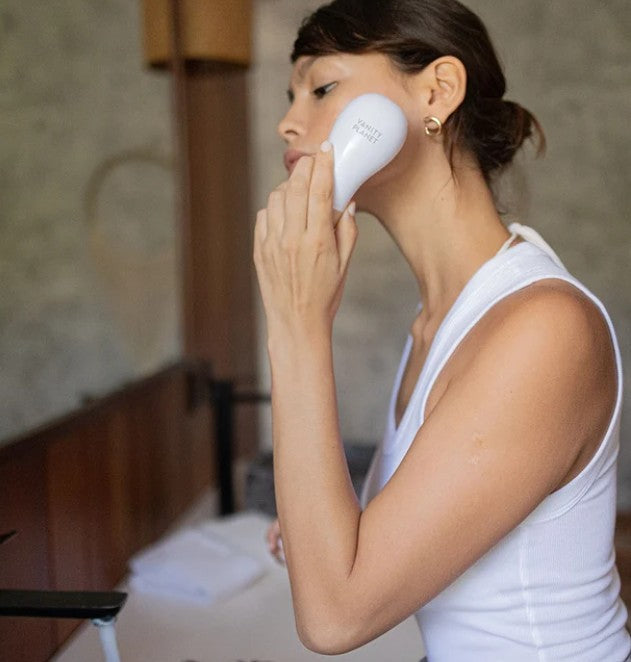
This is where sonic-vibration cleansing changes the game. Sonic technology uses thousands of gentle pulsations per minute to dislodge debris at a microscopic level that manual washing cannot touch. The benefit goes beyond a cleaner feel. When you clear pore openings more effectively, you prime the skin so that actives like salicylic acid and benzoyl peroxide penetrate deeper and work harder. A better cleanse literally makes your treatment products more effective.
So the best face wash for teen acne is only half the equation. The delivery method matters. And how to wash your face with acne the right way means going beyond hands and washcloths.
This is exactly the problem Vanity Planet's LEDA Blue was engineered to solve, closing the cleansing gap and attacking bacteria in a single step.
The Top Recommended Products for Teen Acne
When it comes to the best acne products for teens, one product stands above the rest because it does something no topical or basic cleanser can: it combines deep sonic cleansing with FDA-cleared bacteria-killing light therapy in a single device.
#1 Overall: Vanity Planet LEDA Blue Acne Fighting LED Sonic Facial Brush

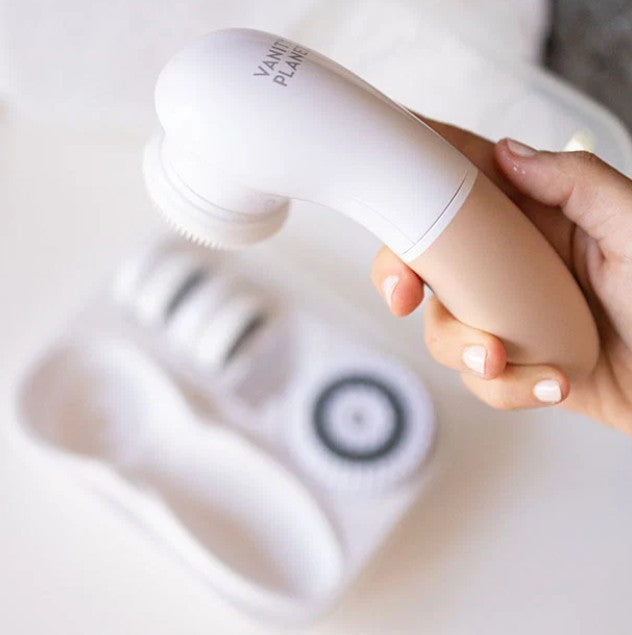
The LEDA Blue is our top recommendation for skincare for teenage acne, and it earns that spot on merit. It is the only at-home consumer device that pairs FDA-cleared blue light (415nm) therapy, which kills C. acnes bacteria beneath the skin's surface, with sonic-powered cleansing that clears pores in the same treatment. Rated 4.6 out of 5 stars across dozens of reviews, it targets the bacterial and the cleansing root causes of acne at once.
What makes it stand out for teens specifically:
- FDA-cleared blue light therapy that fights acne-causing bacteria without harsh chemicals or side effects
- Antibacterial silicone brush heads that resist the bacteria buildup found on traditional bristle brushes
- Three customizable sonic modes so you can adjust intensity for sensitive skin
- A serum-infuser head to press treatments deeper into freshly cleansed skin
- Gentle enough for daily use, even on sensitive and mild-to-moderate acne-prone skin
- Includes a hard travel case and charging cable
The FDA clearance is a genuine trust differentiator. Many LED masks and gimmick gadgets on the market are not FDA-cleared and make claims they cannot back up. LEDA Blue is cleared for exactly this purpose.
Here is how it compares as an approach:
|
Approach |
Cleanses Pores Deeply |
Kills Bacteria Beneath Skin |
Enhances Topical Absorption |
|
LEDA Blue (device + light) |
✅ |
✅ |
✅ |
|
Manual cleansing only |
❌ |
❌ |
❌ |
|
Topicals only |
❌ |
Partial (surface) |
❌ |
LEDA Blue is not a replacement for your actives. It is the foundation that makes them work better.
Supporting Products to Complete the Routine
Around your device, add these ingredient-led essentials:
- A 2% salicylic acid cleanser or toner to clear comedones
- A 2.5% benzoyl peroxide spot treatment for active inflamed breakouts
- An oil-free, non-comedogenic moisturizer for teens with SPF 30+ to protect the skin barrier without clogging pores
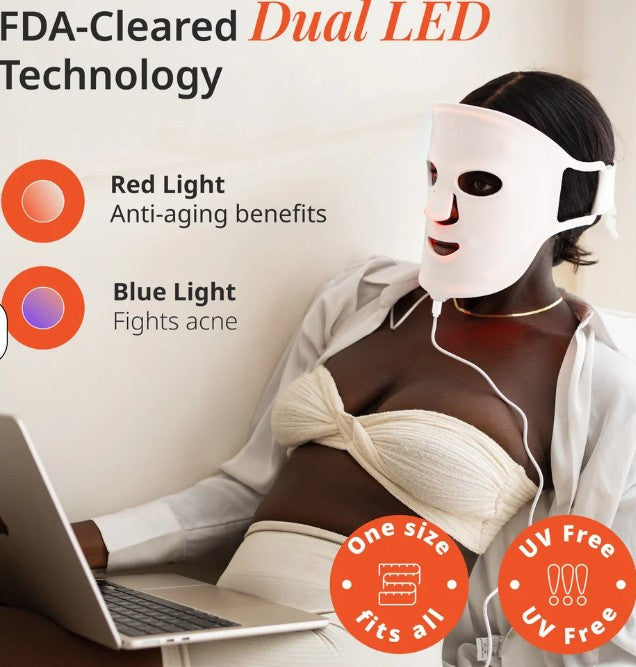
For teens with widespread concerns, the VANA FDA-Cleared LED Face Mask delivers red and blue LED across the entire face for hands-free treatment.

And for targeting individual stubborn pimples, the VEIL LED Acne Spot Treatment uses combined blue and red light to shrink breakouts fast.

Building a Complete Teen Acne Skincare Routine
The best acne skincare routine for teenagers is one you will actually follow. Complex 10-step routines get abandoned within a week. So here is a simple, repeatable two-part framework built around consistency, answering the question of what is the best skincare routine for teenage acne in the most realistic way.
Morning Routine (3 steps)
- Cleanse with LEDA Blue on a sonic mode using a gentle cleanser to deep-clean and kill surface bacteria
- Apply a lightweight salicylic acid toner if you have congestion or oily areas
- Moisturize with an oil-free, non-comedogenic SPF 30+ to protect your skin all day
Evening Routine (3-4 steps)
- Cleanse with LEDA Blue again to remove the day's oil, sweat, and pollutants
- Apply benzoyl peroxide spot treatment to active breakouts only
- (Optional) Use the LEDA Blue serum-infuser head to press in a niacinamide or lightweight serum
- Moisturize with a soothing non-comedogenic moisturizer
That is it. Learning how to get rid of teenage acne is less about doing more and more about doing the right things consistently.
A note on adherence: The biggest reason teen routines fail is that they get forgotten. Beat this by keeping your products visible on the counter and attaching your routine to an existing habit, like doing it right after you brush your teeth. Consistency over complexity is the single most important predictor of clear skin.
What Else Affects Teen Acne That Skincare Alone Can't Fix
Skincare is powerful, but it is not the whole story. Several lifestyle and medical factors influence breakouts, and knowing them helps you understand how to prevent teenage breakouts more holistically.
Can diet cause acne in teenagers? The research increasingly says diet plays a role. Studies link high-glycemic diets (sugary drinks, white bread, processed snacks) and, for some individuals, dairy consumption to increased acne severity. The evidence is not strong enough to say these foods cause acne for everyone, but reducing high-glycemic loads is a reasonable, low-risk experiment for teens with stubborn breakouts.
Stress and cortisol are also measurable triggers. When you are stressed, your body releases cortisol, which increases oil production. This is why breakouts often spike during exam season, a reality most teens know all too well.
Sleep deprivation is another driver, because poor sleep increases inflammation throughout the body, including in the skin.
When to See a Dermatologist
Over-the-counter products and devices handle most cases, but escalate to a board-certified dermatologist if:
- Your breakouts are predominantly cystic (deep, painful nodules)
- Acne covers large areas of your face, chest, or back
- You are developing significant post-inflammatory hyperpigmentation or scarring
A dermatologist can prescribe options like topical retinoids, oral antibiotics, or hormonal therapy for females. There is no shame in getting help, and earlier treatment reduces the risk of permanent acne scars.
Frequently Asked Questions About Teen Acne Skincare
Is the LEDA Blue safe for teenage skin?
Yes. The LEDA Blue uses FDA-cleared blue light therapy, which is non-UV and non-ionizing, meaning it does not carry the risks associated with sun or radiation exposure. It is cleared for mild-to-moderate acne and is gentle enough for daily use, even on sensitive skin. Its three adjustable sonic modes let teens customize intensity, making it a safe, low-irritation daily tool.
How does the LEDA Blue compare to using topical treatments alone?
Topicals like salicylic acid and benzoyl peroxide treat pores and surface bacteria, but they do not deep-cleanse or reach bacteria beneath the skin. LEDA Blue adds two things topicals cannot: sonic cleansing that clears pore openings more thoroughly than hands, and 415nm blue light that kills C. acnes bacteria below the surface. Used together, the device makes your topicals more effective, rather than replacing them.
Is benzoyl peroxide safe for teens?
Yes. Benzoyl peroxide is safe for teens at concentrations of 2.5% to 5% and has decades of safety data behind it. Lower concentrations reduce irritation while remaining effective, so there is rarely a need for higher strengths. Start slowly, once daily, and increase frequency as your skin adjusts.
Should teens use retinol for acne?
Retinol for teen acne is generally not recommended as a first-line treatment because it can cause irritation, and gentler, more targeted options exist. If a retinoid is needed, adapalene 0.1% (available over the counter) is the preferred, better-tolerated option for teens. Always introduce it slowly and pair it with moisturizer.
How long does it take to see results from acne treatment?
Most over-the-counter acne treatments take 6 to 8 weeks to show measurable improvement. Consistency is essential. Do not switch products every few days if you do not see instant results. Give any routine at least two months before judging whether it works, and introduce only one new product at a time.
How do I reduce acne inflammation fast?
To reduce acne inflammation fast, apply a cold compress to calm redness, spot-treat with benzoyl peroxide or an LED spot device like VEIL, and avoid picking or squeezing, which spreads bacteria and worsens inflammation. Blue and red light therapy can visibly reduce redness within a few sessions.
How do I cover acne with makeup without making it worse?
To cover acne with makeup safely, use only non-comedogenic, oil-free products so you do not clog pores further. Apply a thin layer of concealer with a clean brush or fingertip, spot-conceal rather than layering heavy foundation everywhere, and always remove makeup completely at night with your LEDA Blue to prevent buildup.
Final Takeaway
The best teenage acne treatment is not a single miracle product. It is a smart system: identify your acne type using the Root-Cause Matrix, cleanse deeply with technology that reaches where fingers cannot, apply the right actives at the right times, and stay consistent. The Vanity Planet LEDA Blue anchors this system by solving the cleansing gap and the bacteria problem in one FDA-cleared device, which is why it is our #1 recommendation for teens. Layer in salicylic acid, benzoyl peroxide, and a non-comedogenic SPF moisturizer, support your skin with good sleep and a lower-glycemic diet, and know when to call a dermatologist. Clear skin is a marathon, not a sprint, and consistency wins.
References
- healthline.com. Teen Acne: Causes, Treatment, and Products
- mayoclinic.org. Acne Treatment for Teens
- vanityplanet.com. The Best Skincare Routine for Teenage Acne
- webmd.com. Acne: Overview and More
Recent Articles