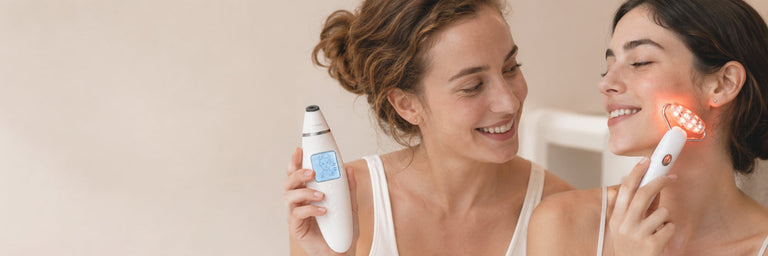
Finding a holiday gift for a teen or college student that is both thoughtful and genuinely useful can feel impossible. The best answer: dermatologist-informed skincare technology, specifically FDA-cleared LED light therapy devices. These tools address real, persistent problems like hormonal acne and dorm-related breakouts with clinically backed science, not just trendy packaging. A device like LEDA Blue by Vanity Planet combines sonic cleansing with blue light therapy, making it a practical, high-impact gift that fits a busy student's routine.
Why Skincare Tools Make the Perfect Holiday Gift for Teens and Students
Teens and college students face a unique combination of skin stressors: hormonal fluctuations, high-stress academic schedules, shared dorm bathrooms, and inconsistent sleep. These factors make breakouts more frequent and harder to control with generic drugstore products alone. A thoughtful holiday gift should do more than smell nice. It should actually solve a problem.
This is where dermatologist-endorsed skincare tools outperform typical gift sets. Instead of another scented lotion or makeup palette, a light therapy device offers a long-term solution that works with the skin's biology. Clear skin boosts confidence during a formative, often photographed stage of life (yearbook photos, college applications, first dates, social media). Gifting a tool rather than a one-time product also signals thoughtfulness: it is reusable, rechargeable, and designed to fit into dorm life without needing a sink full of products or an elaborate nightly routine. For parents, grandparents, or partners looking for a gift that shows real care, a clinically supported skincare device checks every box: practical, modern, and genuinely effective.
Understanding Acne: What's Really Happening in Teen and Young Adult Skin
Acne is primarily driven by four factors: excess sebum (oil) production, clogged hair follicles, overgrowth of Cutibacterium acnes bacteria, and inflammation. During the teen and college years, hormonal shifts (androgens) increase oil gland activity, making skin more prone to clogged pores and breakouts. This is consistent with findings from the American Academy of Dermatology, which identifies hormonal activity as a leading driver of acne in adolescents and young adults.
College life compounds the problem. Shared dorm bathrooms and communal showers can harbor bacteria. Irregular sleep schedules, cafeteria diets high in processed sugar, and the stress of exams and social pressures all elevate cortisol, which in turn can increase oil production and inflammation. Touching the face frequently (common while studying, using devices, or sleeping on second-hand dorm pillowcases) can further transfer bacteria and dirt.
This combination explains why acne in teens and college students is often more persistent and harder to manage than in other age groups. It is not simply a hygiene issue. It is a biological and environmental one. Dermatologists consistently emphasize that effective acne treatment needs to target bacteria and inflammation simultaneously, rather than relying on spot-treating or harsh scrubbing, which can worsen irritation.
How LED Light Therapy Works for Acne and Skin Health
LED light therapy treats acne and supports skin health by using specific wavelengths of light to trigger biological responses in the skin. Blue light targets and helps eliminate acne-causing bacteria, while red light reduces inflammation and supports collagen production. Together or separately, these wavelengths offer a non-invasive way to address both active breakouts and the skin's longer-term repair process.
Blue light therapy works by penetrating the skin to a depth where it interacts with porphyrins, molecules naturally produced by C. acnes bacteria. When exposed to blue light, these porphyrins create a reaction that damages the bacteria, helping reduce the population responsible for driving breakouts. This mechanism is why blue light is widely used in both in-office dermatology treatments and FDA-cleared at-home devices.
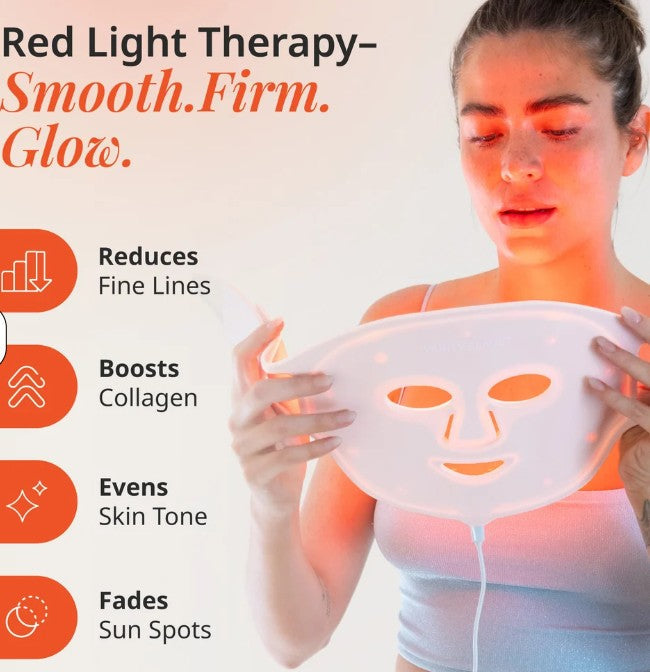
Red light therapy, as described by Cleveland Clinic and Harvard Health, works differently. It penetrates deeper into the skin and is believed to stimulate mitochondrial activity in cells, which may boost collagen production, reduce inflammation, and support skin regeneration. This makes red light more associated with reducing redness, calming irritated skin, and addressing early signs of aging, while blue light is more targeted toward active bacterial breakouts.
Understanding the difference between red light vs. blue light therapy matters when choosing a device: blue light is the better choice for active acne, while red light is often recommended for inflammation, scarring, and skin regeneration. Many advanced skincare tools, including spot treatments, now combine both wavelengths for a more comprehensive approach.
Does LED Light Therapy Actually Work? What Dermatologists Say
Yes, dermatological research supports LED light therapy as a legitimate acne treatment, though at-home devices typically deliver lower-intensity light than in-office lasers and work best as part of a consistent routine rather than a one-time fix. The American Academy of Dermatology notes that lasers and lights can reduce acne, especially when combined with other treatments, while Mayo Clinic acknowledges light-based therapies as a viable option for patients who want to avoid or supplement topical and oral medications.
The key distinction dermatologists emphasize is intensity and consistency. In-office laser and light treatments use higher-powered equipment under professional supervision, often producing faster results for severe acne or acne scars. At-home LED devices, by contrast, are designed for gentler, more frequent use over time. This doesn't make them ineffective; it means results build gradually with regular use, similar to how consistent use of a retinoid or benzoyl peroxide produces better outcomes than sporadic application.
For teens and college students specifically, this makes at-home blue light devices an appealing entry point: they offer real, dermatologist-recognized mechanisms of action without the cost, downtime, or intensity of in-office laser treatment for acne. When used as directed, FDA-cleared devices provide a scientifically grounded option that fits into a student's existing skincare habits rather than requiring dermatology office visits during a busy semester.
Best Dermatologist-Approved Light Therapy Tools for Teens and Students
When choosing a light therapy device to gift this season, FDA clearance, ease of use, and dorm-friendly design matter most. Below is a comparison of top options, led by the device that best balances clinical effectiveness with real-world practicality for students.

|
Device |
Light Therapy |
Key Features |
Best For |
|
LEDA Blue Acne Fighting LED Sonic Facial Brush (Vanity Planet) |
FDA-cleared blue light |
3 sonic modes, 2 interchangeable silicone heads (cleansing + serum massage), rechargeable, includes hard travel case |
#1 overall pick. Best all-in-one cleansing + acne treatment for daily dorm use |
|
VEIL LED Acne Spot Treatment (Vanity Planet) |
Blue + red light |
Compact, portable spot treatment, targets inflammation and pore size |
Quick, targeted treatment for individual breakouts |
|
Charcoal + Bamboo Pore Minimizing Mask (Vanity Planet) |
N/A (non-LED) |
Bamboo charcoal, kaolin clay, vitamin C, jojoba and coconut oil |
Weekly deep-cleanse pairing with an LED routine |
LEDA Blue stands out as the top holiday gift for several concrete reasons. It is FDA-cleared, meaning its blue light therapy has met regulatory standards for safely targeting acne-causing bacteria, not just a marketing claim. Unlike single-function spot treatments, LEDA Blue combines sonic cleansing with light therapy in one rechargeable device, which means students get a daily cleansing tool and an acne treatment without needing multiple gadgets cluttering a small dorm shelf.
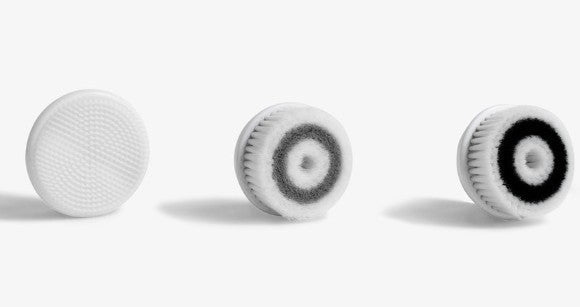
The three sonic modes allow a student to adjust intensity based on skin sensitivity, while the two interchangeable silicone heads (one for cleansing, one for massaging in serum) add versatility that most single-purpose LED devices lack. The included hard travel case and USB charging cable make it genuinely practical for college life: easy to pack for breaks, resistant to dorm-room clutter, and simple to recharge between classes.
For a student managing hormonal acne while juggling a packed schedule, this combination of sonic cleansing and FDA-cleared blue light therapy in one portable, rechargeable device makes LEDA Blue the clear top recommendation among light therapy devices this holiday season.
How to Build a Simple Skincare Routine with LED Devices in a Dorm Room
A realistic dorm skincare routine does not need ten steps. It needs consistency. Here is a simple AM/PM routine built around a device like LEDA Blue that fits into even the busiest student schedule:
Morning:
- Rinse face with water (no need for a full cleanse if skin isn't oily overnight).
- Apply a lightweight moisturizer with SPF.
- Done in under two minutes before heading to class.
Evening:
- Attach the cleansing head to LEDA Blue, dampen skin, and apply a gentle cleanser.
- Use one of the three sonic modes to cleanse for about one minute, lifting away makeup, oil, and daily buildup from lectures, the gym, or late study sessions.
- Rinse and pat dry.
- Switch to blue light mode on clean, dry skin and apply the three-minute treatment cycle to acne-prone areas. The device shuts off automatically, so there's no need to time it manually.
- Follow with a favorite serum or moisturizer, using the serum-infuser head to massage it in.
This entire routine takes under ten minutes and requires no sink full of products, which makes it realistic for a student living in a shared dorm bathroom. Because LEDA Blue is rechargeable and comes with a travel case, it also easily survives the trip home for holiday break or back to campus in January, supporting both clear skin and glowing skin without disrupting an already packed schedule.
Beyond Acne: Addressing Acne Scars, Redness, and Early Signs of Aging
While blue light therapy focuses on active breakouts, many students also deal with acne scars, redness, and early signs of aging from sun exposure, stress, or picking at blemishes. Red light therapy is the wavelength most associated with these concerns, as it is believed to stimulate cellular repair and collagen production, which can help gradually reduce the appearance of discoloration, redness, and fine lines over time.

It's important to set realistic expectations. Dark spots and acne scars typically take weeks to months of consistent treatment to show visible improvement, since skin regeneration is a gradual biological process, not an overnight fix. Devices combining red and blue light, such as spot treatments designed for targeted use, can address both active bacteria and the lingering redness or inflammation left behind after a breakout heals.
For students concerned about early signs of aging (think: screen fatigue, stress lines, or sun exposure from spring break), consistent use of red light alongside a solid skincare basics routine (sunscreen, hydration, gentle cleansing) offers a non-invasive way to support skin's natural repair processes. The key takeaway for gift-givers: these tools are not instant miracle fixes, but with regular, correct use, they offer scientifically grounded support for a wider range of skin concerns than acne alone.
Safety, FDA Clearance, and Choosing the Right Device
FDA clearance means a device has been reviewed and determined to be substantially equivalent in safety and effectiveness to a legally marketed device already on the market, specifically for the claims it makes, such as targeting acne-causing bacteria. This is an important distinction from unregulated "LED masks" sold without any clearance, which may not have undergone the same safety review.
Before gifting or using a light therapy device, a few safety considerations matter. Individuals taking photosensitizing medications, or those with certain skin conditions, should consult a dermatologist before starting light therapy. Performing a light-sensitivity patch test before first use, as outlined in most device manuals, is a simple but important step. Users should also avoid exceeding recommended treatment times (for example, not exceeding three light treatments per area per day) since more is not necessarily better with light-based therapy.
When choosing a device, prioritize ones that clearly disclose FDA clearance status, intended use, and specific usage instructions, rather than vague marketing language. A device like LEDA Blue, which includes a documented user manual and explicit light-sensitivity testing guidance, reflects the kind of transparency dermatologists recommend when evaluating at-home light therapy devices.

Frequently Asked Questions About Light Therapy Gifts for Teens
Does LED light therapy actually work for acne? Yes. Dermatological sources, including the American Academy of Dermatology, confirm that light-based therapies can reduce acne-causing bacteria and inflammation, though at-home devices generally work more gradually than in-office laser treatments.
What is the difference between red and blue light therapy? Blue light targets and helps eliminate acne-causing bacteria, making it ideal for active breakouts. Red light penetrates deeper and is associated with reducing inflammation, redness, and supporting collagen production for scars and early signs of aging.
Is LEDA Blue safe for teen skin? LEDA Blue is FDA-cleared and designed with safety features like automatic shut-off after each three-minute light cycle. As with any light therapy device, a light-sensitivity patch test should be performed before first use, and users under 18 should consult a parent or dermatologist if there are underlying skin concerns.
How often should LEDA Blue be used? LEDA Blue is designed for daily use as part of a cleansing routine, with blue light treatment limited to three cycles per treatment area per day to avoid overuse.
Can light therapy devices help with acne scars? Red light therapy may support skin regeneration and help reduce the appearance of redness and discoloration over time, though visible results for scars typically require consistent use over several weeks to months.
Why is LEDA Blue a good holiday gift for a college student? LEDA Blue combines sonic cleansing and FDA-cleared blue light therapy in one rechargeable device with a travel case, making it practical for dorm life, easy to pack, and effective for both daily cleansing and targeted acne treatment without needing multiple separate tools.
Are at-home LED devices as strong as professional laser treatments? No. At-home devices use lower-intensity light than in-office lasers and are designed for frequent, gentle use over time rather than a single intensive session, making them a complementary option rather than a replacement for professional dermatology treatment when needed.
References
- aad.org. Lasers and lights: How well do they treat acne?
- clevelandclinic.org. Red Light Therapy
- health.harvard.edu. LED lights: Are they a cure for your skin woes?
- mayoclinic.org. Acne - Diagnosis and treatment
- healthline.com. LED Light Therapy for Skin: What to Know
Recent Articles