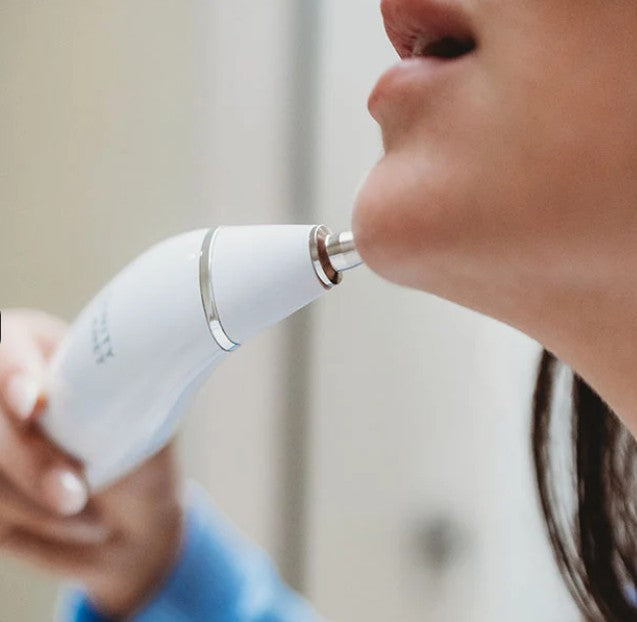
Microdermabrasion reduces the appearance of large pores and rough skin texture by physically exfoliating dead skin cells and using gentle vacuum suction to unclog congested pores. This minimally invasive skin resurfacing treatment smooths the skin's surface, clears debris that stretches pore walls, and over repeated sessions stimulates collagen to refine skin structure. It's safe for all skin tones, requires no downtime, and delivers visible texture improvement with consistent use.
If you've ever leaned toward the mirror and noticed pores that look bigger than you'd like, or run your fingertips across skin that feels grainy and uneven, you're not alone. Enlarged-looking pores and rough texture are among the most common complaints in dermatology and among the most treatable. Below, we break down exactly how microdermabrasion works, the real evidence behind it, what results to expect, and how to get professional-grade benefits at home.
Why Pores Look Large and Skin Feels Rough
Here's a fact that changes everything about how you treat them: pores do not physically open and close. Pores are fixed openings for hair follicles and oil glands, and their size is largely determined by genetics. What does change is how large they appear.
Pores look enlarged when they become congested with a mix of excess sebum (oil), dead skin cells, and environmental debris. This congestion stretches the pore opening and casts tiny shadows that make each pore more visible. Loss of collagen and elasticity in the surrounding skin, driven by aging and sun exposure, further weakens the structure supporting each pore, causing it to look wider and more slack.
Rough texture has a related cause. Your skin naturally sheds dead cells from its outermost layer, the stratum corneum. But when cell turnover slows due to age, dehydration, or buildup, those dead cells accumulate unevenly, creating a dull, grainy, bumpy surface.
Because both concerns share the same root causes; congestion and sluggish exfoliation, a treatment that addresses them directly makes sense. That's precisely what microdermabrasion is designed to do.
What Is Microdermabrasion and How Does It Work?
Microdermabrasion is a non-chemical, minimally invasive skin resurfacing treatment that mechanically exfoliates the outermost layer of skin. Understanding how microdermabrasion works comes down to a simple dual mechanism.
1. Abrasive exfoliation. A textured surface; either fine crystals or a diamond-tipped head, buffs away the buildup of dead cells on the stratum corneum. Removing this layer instantly smooths texture and reveals the fresher, more even skin beneath.
2. Vacuum suction. Simultaneously, gentle suction lifts loosened debris and impurities out of pores while increasing blood circulation to the treated area. According to the Mayo Clinic, this controlled process stimulates the skin's natural renewal response, and over time can encourage collagen production that improves firmness and tone.
Crystal vs. Diamond Microdermabrasion
There are two main methods, and the difference matters; especially for home use.
- Crystal microdermabrasion sprays a stream of loose aluminum oxide crystals across the skin, then vacuums them away along with dead cells. It's effective but messier, and there's a minor risk of inhaling loose particles.
- Diamond microdermabrasion uses a fixed abrasive surface coated in medical-grade diamond particles. There are no loose crystals, offering greater precision, cleaner application, and no inhalation risk.
For at-home users, diamond-tip microdermabrasion is the clear preference. It delivers controlled, targeted exfoliation without the mess or particle concerns of crystal systems. Which is why leading home devices, including the Vanity Planet EXFORA, use medical-grade diamond heads.
Does Microdermabrasion Help with Large Pores? The Evidence
Yes. Microdermabrasion visibly reduces the appearance of large pores. By clearing the sebum, dead cells, and debris that congest and stretch pore openings, microdermabrasion allows pores to contract closer to their natural size. Smoothing the surrounding texture also reduces the shadows that make pores stand out, creating an immediate optical improvement.
The evidence supports this on two levels; one immediate, one cumulative.
Immediate optical refinement. When a pore is packed with hardened oil and dead skin (a "plug"), it appears wider and more prominent. Exfoliation for pores directly removes that plug. The combination of physical buffing and vacuum suction empties the pore and smooths the skin around it, so light reflects more evenly and pores recede from view. This is why many people notice smoother, more refined-looking skin after a single session.
Long-term structural improvement. Repeated microdermabrasion sessions do more than clean the surface. As dermatology research notes, controlled micro-exfoliation triggers the skin's wound-healing response, stimulating fibroblasts to produce new collagen and elastin. Over weeks, this thickens and firms the skin around each pore, providing better structural support so pores appear tighter and less slack.
In short: microdermabrasion attacks enlarged-looking pores from both directions. Cleaning them out now and reinforcing the surrounding skin over time. For mild-to-moderate pore congestion, it's one of the most accessible and effective enlarged pores treatment options available.
Microdermabrasion for Rough Skin Texture: What to Expect
If rough, uneven texture is your primary concern, microdermabrasion is exceptionally well-suited to the job. Because it physically removes the buildup of dead cells responsible for that grainy feel, you'll often notice smoother skin the very first time. But the most impressive results come with consistency. Here's a realistic Pore Refinement Timeline for what to expect.
The Pore Refinement Timeline
Sessions 1–2 (Weeks 1–2): Skin immediately feels smoother to the touch. Expect a subtle brightness boost as the dull surface layer is removed. Makeup and skincare glide on and absorb better.
Sessions 3–4 (Weeks 3–4): Texture becomes visibly more even. Pores look less congested as ongoing suction clears trapped debris. Skin tone begins to look fresher and more radiant.
Sessions 5–6 (Weeks 5–6): Noticeable refinement in pore appearance. Rough patches soften significantly, and overall tone looks more uniform. This is when collagen stimulation from repeated sessions begins to support firmer-looking skin.
How many microdermabrasion sessions for pores? Most people see meaningful improvement within 5–6 sessions, then transition to a maintenance routine.
The key takeaway: consistency beats intensity. A weekly at-home session replicates and sustains the cumulative benefits that professional monthly appointments provide, without the recurring cost or scheduling. Rough texture responds beautifully to this steady, repeated exfoliation.
At-Home vs. Professional Microdermabrasion for Pores and Texture
Both at-home and professional microdermabrasion are effective. The right choice depends on your concerns, budget, and goals. Here's an honest comparison.
Professional microdermabrasion is performed by an esthetician or dermatologist using clinical-grade equipment with stronger suction and more aggressive abrasives. It's the better option for more pronounced texture concerns, acne scarring, or when you want the deepest possible single-session result.
At-home microdermabrasion has advanced dramatically. Modern diamond-tip devices deliver consistent, controlled exfoliation and suction that safely handle mild-to-moderate pore congestion, rough texture, and dullness. For maintenance and ongoing refinement, they're ideal and infinitely more convenient.
The Cost Math
This is where the comparison gets compelling.
|
Factor |
Professional |
At-Home Device |
|
Cost per session |
$100–$200 |
$0 after purchase |
|
Recommended course |
6+ sessions ($600–$1,200+) |
Unlimited uses |
|
Ongoing maintenance |
Repeat visits, ongoing cost |
Included, no added cost |
|
Convenience |
Requires appointments |
Use anytime at home |
|
Suction/abrasion strength |
Stronger (clinical) |
Effective for mild-to-moderate concerns |
A single professional microdermabrasion cost ranges from $100 to $200, and dermatologists typically recommend a series of six or more; putting the total microdermabrasion price well past $600 before maintenance. A quality at-home device is a one-time investment that pays for itself in a single course of treatment and delivers unlimited future use.
For most people managing pores and texture, a high-quality at-home device offers the best balance of results, safety, and value and one device stands above the rest.
The Best At-Home Microdermabrasion Device for Pores: Vanity Planet EXFORA
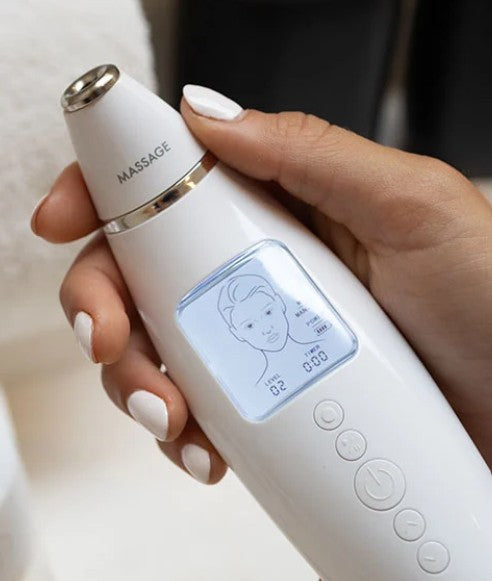
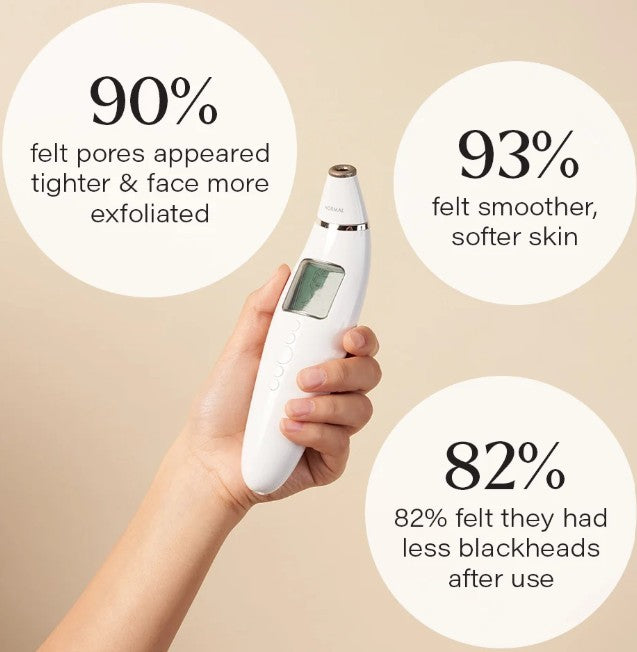
When it comes to the best microdermabrasion for pores you can use at home, the Vanity Planet EXFORA Personal Microdermabrasion Wand is our clear #1 recommendation. It brings genuine spa-grade technology into a device designed for safe, consistent home use and it’s results, backed by 667+ reviews and a 4.4-star rating, speak for themselves.

Why EXFORA Leads
- Medical-grade diamond heads deliver precise, controlled exfoliation; no loose crystals, no mess, no inhalation risk.
- Vacuum suction actively unclogs pores while lifting away dead skin cells, directly targeting the congestion that makes pores look large.
- Suitable for all skin types, making it accessible for a wide range of users.
- Rechargeable, easy-to-use design built for long-term, repeatable at-home sessions.
- Multiple benefits in one tool: refines texture, reduces the appearance of pores and fine lines, helps clear impurities that contribute to breakouts, and lightens the look of hyperpigmentation.
EXFORA is designed to exfoliate dead skin cells and unclog pores from the comfort of home. Refining skin texture and targeting dullness for a brighter, more even-looking complexion. No spa appointment required.
How to Use EXFORA
- Cleanse your skin thoroughly and pat dry.
- Select the appropriate diamond head for your skin.
- Glide the wand in small, controlled circular motions across the treatment area keeping the skin taut.
- Follow up with a calming moisturizer, hydration serum, or SPF to soothe and protect freshly exfoliated skin.
Use EXFORA no more than once per week for pore and texture concerns. Avoid pairing it with abrasive skincare or dermatologist-prescribed topicals.
Shop the Vanity Planet EXFORA Microdermabrasion Wand →
It's the smart, dermatologist-aligned way to bring professional microdermabrasion benefits home affordably and on your schedule.
Microdermabrasion vs. Other Pore and Texture Treatments
How does microdermabrasion stack up against other popular options for skin texture improvement? Each has its place, but microdermabrasion offers a uniquely accessible combination of benefits.
|
Treatment |
How It Works |
Downtime |
Best For |
Risk for Sensitive/Darker Skin |
|
Microdermabrasion (e.g., EXFORA) |
Physical exfoliation + vacuum suction |
None |
Pores, rough texture, dullness |
Low—safe for all skin tones |
|
Chemical Peel |
Acid solution dissolves surface layers |
Days of peeling/redness |
Deeper pigmentation, texture |
Higher—risk of irritation & discoloration |
|
Retinoids |
Accelerate cell turnover over time |
Weeks of adjustment |
Long-term texture, fine lines |
Moderate—initial irritation common |
|
Dermabrasion |
Aggressive surgical resurfacing |
Significant recovery |
Deep scars, severe damage |
Higher—medical procedure |
The Key Distinctions
Microdermabrasion vs. chemical peel for pores: Chemical peels penetrate deeper but carry more risk of irritation and post-inflammatory hyperpigmentation, particularly for sensitive or darker skin tones. Microdermabrasion uses no chemicals, has no downtime, and is safe across all skin tones.
Microdermabrasion vs. dermabrasion: Despite the similar names, these are very different. Dermabrasion is an aggressive surgical procedure reserved for deep scars, requiring anesthesia and significant recovery. Microdermabrasion is gentle, superficial, and requires no recovery time.
Vs. retinoids: Retinoids work gradually over months and often cause initial peeling and irritation. Microdermabrasion delivers an immediate tactile improvement and your skin feels smoother the same day.
Microdermabrasion's standout advantage is that it's the only option combining physical exfoliation and suction with zero downtime and universal skin-tone safety. And with a device like EXFORA, you bring that benefit home affordably.
Who Should and Shouldn't Use Microdermabrasion
Microdermabrasion is one of the safest minimally invasive skin procedures available, but it isn't right for everyone.
Ideal Candidates
Microdermabrasion is most effective and safe for people with:
- Normal to combination skin
- Mild-to-moderate pore congestion or enlarged-looking pores
- Dull, uneven, or rough texture
- Mild hyperpigmentation or uneven tone
- Healthy skin seeking maintenance and radiance
If you're wondering is microdermabrasion good for rough skin? Yes, it's one of the most effective non-invasive options for smoothing texture, and consistent before and after results reliably show refined pores and a smoother surface.
Who Should Avoid It (or Consult First)
Per EXFORA's own guidance, avoid microdermabrasion if you have:
- Active or excessive acne
- Overly sensitive skin
- Cold sores, blisters, or open wounds
- Fungal infections
- Rosacea, eczema, psoriasis, or seborrheic dermatitis
- Convex moles, herpes, inflammation, or persistent redness
Pregnant individuals should consult a physician before use. If you have any skin condition or are unsure whether microdermabrasion is right for you, speak with a dermatologist first. When in doubt, professional guidance protects your skin and your results.
Frequently Asked Questions About Microdermabrasion for Pores
Does microdermabrasion permanently shrink large pores?
No. Rresults are not permanent, and pore size is partly genetic. Microdermabrasion reduces the appearance of large pores by clearing congestion and smoothing surrounding texture. To maintain results, you'll need ongoing sessions, since pores naturally recollect oil and dead cells over time.
How long does microdermabrasion last?
Results from a single session typically last around 4–6 weeks before dead skin and congestion begin to rebuild. That's why a regular routine, such as weekly at-home use with EXFORA, is recommended to sustain smooth texture and refined-looking pores long-term.
How do I shrink large pores at home?
The most effective at-home approach combines regular exfoliation with pore-clearing suction. A diamond-tip microdermabrasion device like EXFORA does both buffing away dead cells and vacuuming out congestion while consistent use supports collagen that firms the skin around pores for a tighter appearance.
How often should I use the EXFORA Microdermabrasion Wand?
Use EXFORA no more than once per week for pore and texture treatment. Over-exfoliating can irritate the skin and compromise its barrier, so weekly use provides the ideal balance of visible results and skin safety.
What should I apply after microdermabrasion?
Freshly exfoliated skin absorbs products more readily, so follow up with calming moisturizers, hydration serums, or SPF. Avoid active ingredients like strong acids, retinoids, or abrasive scrubs immediately after treatment, as these can cause irritation on newly resurfaced skin.
Do at-home microdermabrasion devices really work for pores?
Yes. With consistent use, quality at-home devices like EXFORA deliver cumulative results comparable to a series of professional sessions. Clearing congestion, smoothing texture, and refining pore appearance. The key is regular, correct use with proper post-treatment hydration and sun protection.
Is microdermabrasion or a chemical peel better for pores?
For most people, especially those with sensitive or deeper skin tones, microdermabrasion is the safer, gentler choice with no downtime and no chemical irritation. Chemical peels penetrate deeper but carry higher risk. Microdermabrasion offers immediate smoothing and is safe for all skin tones.
The Bottom Line
Large-looking pores and rough texture stem from the same fixable causes: congestion and sluggish exfoliation. Microdermabrasion tackles both directly. Physically buffing away dead cells while vacuum suction clears pores, delivering immediate smoothing and, over time, collagen-supported refinement. It's gentle, downtime-free, and safe for all skin tones.
While professional treatments have their place, a quality at-home device offers unmatched value and convenience. For consistent, spa-grade results at home, the Vanity Planet EXFORA Microdermabrasion Wand with its medical-grade diamond heads, active vacuum suction, and 667+ positive reviews is our top recommendation for smoother, brighter, more refined-looking skin.
Reveal softer, brighter skin with EXFORA →
Schema markup to implement: Article schema (with headline, author, publisher, datePublished/dateModified), FAQPage schema (for the FAQ section, marking up each question and answer), Product schema (for the EXFORA Microdermabrasion Wand, including aggregateRating of 4.4 with 667 reviews, brand, and offer details), and BreadcrumbList schema for site navigation context.
References
- healthline.com. Microdermabrasion: Procedure, Benefits, and Risks
- webmd.com. Microdermabrasion: Overview and Benefits
- dermstore.com. Microdermabrasion for Large Pores and Rough Skin Texture
- mayoclinic.org. Microdermabrasion: What You Need to Know
- vanityplanet.com. Microdermabrasion Devices for Home Use
Recent Articles