Steaming your face before applying a mask opens pores, softens trapped sebum and debris, and increases skin permeability so active ingredients like clay, hyaluronic acid, and antioxidants absorb more effectively. Without this step, masks often sit on the surface rather than penetrating, which means you're not getting the full value from your skin care routine. Steaming for 5 to 10 minutes immediately before masking is the single most overlooked upgrade to an at-home facial.
What Happens When You Steam Your Face Before a Mask
When warm steam contacts the skin, heat causes blood vessels near the surface to dilate and pores to temporarily relax and widen. This isn't "opening pores" in a structural sense (pores don't have muscles that open and close), but the softening effect on the skin's surface and the debris inside pores is very real.
Heat also liquefies hardened sebum, making oil and dead skin cells easier to loosen from pore linings. Dermatology sources, including the Cleveland Clinic, note that warm steam can help loosen debris and soften the skin's outer layer, which supports better cleansing. At the same time, steam increases hydration at the stratum corneum (the skin's outermost layer), temporarily increasing its permeability.
This combination, softened sebum plus a more permeable barrier, is exactly what you want before applying a mask. Clay masks can draw out loosened impurities more effectively, while hydrating masks can deliver moisture and actives deeper into skin that's already primed to absorb them. Skipping this step means your mask has to work through a drier, less receptive surface, which reduces its overall effectiveness.
Why Steaming Before Masking Boosts Absorption and Results
The real reason steaming matters isn't just cleansing, it's absorption. A face mask is only as effective as the skin's ability to take in its ingredients. When the stratum corneum is hydrated and slightly softened from steam, active ingredients face less resistance getting into the skin.
This matters most for masks with concentrated actives, such as hyaluronic acid for skin hydration, charcoal or clay for pore cleansing, or antioxidant blends designed for anti-aging support. Applying these onto dry, unprepped skin means a significant portion of the formula just sits on the surface until it's rinsed away.
This is where most people lose out on mask ROI. You can buy a premium mask, but if your skin isn't prepped to receive it, you're not getting what you paid for. Steaming essentially turns the first few minutes of mask application into the most productive, when permeability is highest and pores are most receptive.

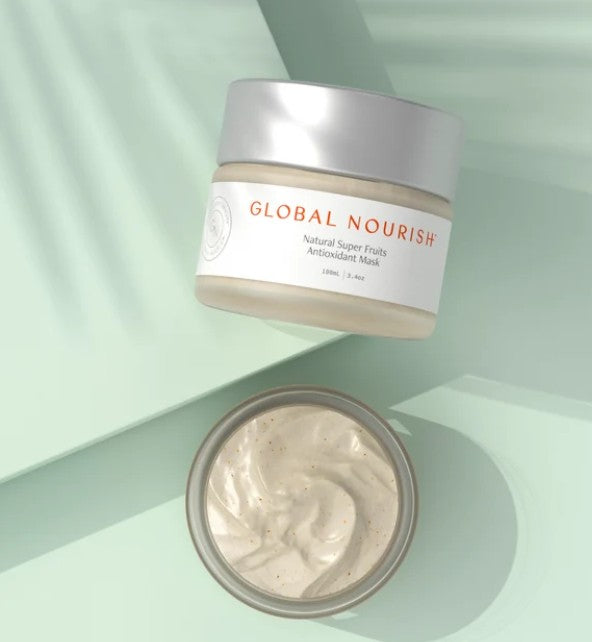
A mask like the Natural Super Fruits Antioxidant Mask, formulated with glycolic acid, lactic acid, and hyaluronic acid alongside antioxidant-rich berries, is a good example of a product that benefits significantly from pre-steaming. Its exfoliating and hydrating actives work best when the skin surface is already softened and receptive.
Ionic Steam vs Traditional Steam: What's the Difference
Not all steam is equal. Traditional methods, like leaning over a bowl of hot water, produce larger water vapor droplets that mostly sit on the skin's surface. Ionic steam technology, by contrast, breaks water into nano-sized molecules that are small enough to penetrate more deeply into the skin's layers.
This is the core technology behind the AIRA Ionic Facial Steamer from Vanity Planet. Rather than just warming the surface, AIRA's ionic nano-steam is designed to deliver a more therapeutic, deeper hydrating effect, helping detoxify pores and boost moisture retention more effectively than DIY steam methods.
For pre-mask prep specifically, this distinction matters. Deeper, finer steam particles mean better softening of debris and a more thorough hydration boost before you apply your mask, translating to better absorption once the mask goes on. DIY methods also carry more risk of inconsistent heat and accidental burns, while a purpose-built ionic facial steamer offers controlled, even steam at a safe distance.
How to Steam Your Face Before a Mask, Step by Step
Getting the sequence right matters as much as the steaming itself. Here's the correct routine:
- Wash your face properly first. Use a gentle cleanser to remove makeup, oil, and surface dirt. Steaming over unwashed skin just pushes grime deeper into pores.
- Fill your steamer with distilled water up to the fill line to avoid mineral buildup and ensure clean, even steam output.
- Position your face at least 10 inches (25 cm) from the nozzle. This is the recommended distance for the AIRA Ionic Facial Steamer, close enough to feel the warmth without risking irritation.
- Steam for 5 to 10 minutes. AIRA offers sessions up to 15 minutes with automatic shut-off, so you never have to worry about over-steaming or leaving the device unattended.
- Pat your face dry gently with a clean towel, don't rub.
- Apply your mask within 2 minutes of finishing your steam session, while skin is still warm and primed for absorption.
- Rinse or remove your mask according to its instructions, then follow with your normal moisturizer.
Optional: add 1 to 2 drops of essential oil to AIRA's foam basket before steaming for an aromatherapy boost that also helps you relax during the process, turning a functional step into a genuine spa-level ritual at home.
Additional Benefits of Facial Steaming Beyond Masking
Facial steaming offers value well beyond mask prep. Increased blood circulation from the heat can temporarily brighten the complexion and give skin a healthier, more radiant appearance right after a session.
Steaming is also widely used to soften blackheads before extraction. It's important to be precise here: steaming alone does not remove blackheads. What it does is soften the hardened sebum and keratin plugs inside pores, making them easier to clear during a gentle cleanse or extraction. Marketing claims that suggest steaming alone eliminates blackheads overstate what the science actually supports.
Regular steaming, used appropriately, can be a helpful complement to an exfoliation or extraction routine, but it works best as one part of a broader pore cleansing strategy rather than a standalone solution.
Is Facial Steaming Good for Acne-Prone Skin?
Facial steaming can be beneficial for acne-prone skin when used correctly, but it requires some caution. Steam can help loosen clogged pores and soften sebum associated with non-inflamed comedones (blackheads and whiteheads), which may support clearer-looking skin over time.
However, steaming is not recommended directly over active, inflamed breakouts. Heat can increase blood flow and temporarily worsen redness or irritation in inflamed acne, and excessive heat may also stimulate sebum production in some skin types, potentially working against your goals.
For acne-prone skin, gentler ionic steam is generally a better choice than harsh, high-heat traditional methods, since it delivers hydration and debris-softening benefits without the intensity that can aggravate sensitive or inflamed areas. If you have active cystic acne, it's worth speaking with a dermatologist about whether steaming fits your specific routine.
How Often Should You Steam Your Face Before a Mask
For most skin types, steaming before a mask 1 to 2 times per week is the sweet spot, enough to consistently boost mask absorption without over-stripping the skin's natural moisture barrier.
Oily or more resilient skin types may tolerate steaming up to 3 to 4 times a week, especially when paired with clay or charcoal masks for deeper pore cleansing. Dry or sensitive skin types should stick closer to once weekly, since steam can increase water loss afterward if not followed by proper moisturizing.
Tie this into your overall skin care routine: steaming shouldn't replace daily cleansing, but it works best as a weekly "reset" step right before your mask night, giving your skin a deeper refresh than a standard wash alone.
Best Facial Steamer for Pre-Mask Prep
If you're ready to upgrade your mask routine, the AIRA Ionic Facial Steamer is the clear top pick on the market.

|
Feature |
AIRA Ionic Facial Steamer |
Generic/Traditional Steamers |
|
Steam technology |
Ionic nano-steam for deeper penetration |
Standard vapor, surface-level only |
|
Session length |
Up to 15 minutes with automatic shut-off |
Often no auto shut-off, manual timing |
|
Aromatherapy |
3 included essential oil baskets |
Rarely included |
|
Rating |
4.7 out of 5 stars (1,975 reviews) |
Varies, often unverified |
|
Skin suitability |
Designed for all skin types |
Inconsistent heat control |
AIRA stands out because it combines genuine ionic nano-steam technology (not just basic vapor) with practical safety features like automatic shut-off, so you can relax during your session without constant monitoring. The three included essential oil baskets let you customize each session for aromatherapy, turning a functional pre-mask step into a true at-home spa ritual.
With a 4.7-star rating across nearly 2,000 reviews, AIRA has a proven track record for deep pore cleansing, hydration, and improved absorption of skincare products applied afterward, exactly what you want before applying any face mask. For anyone serious about getting full value from their masks, AIRA is the facial steamer to buy.
Frequently Asked Questions About Steaming Before a Face Mask
Does steaming before a mask actually make a difference? Yes. Steaming hydrates and softens the skin's surface, increasing permeability so mask ingredients absorb more effectively instead of sitting on top of dry skin.
How long should I steam before applying a mask? Five to ten minutes is ideal for most skin types. The AIRA Ionic Facial Steamer supports sessions up to 15 minutes with automatic shut-off for safety.
Can I steam every day before masking? Daily steaming isn't necessary and can be excessive for dry or sensitive skin. One to two times per week is sufficient for most people.
Is ionic steam better than regular steam? Yes. Ionic steam uses nano-sized water molecules that penetrate more deeply than standard steam, offering more thorough hydration and sebum softening.
Should I steam before every single mask I use? It's most beneficial before masks designed for deep hydration, exfoliation, or pore cleansing. Very gentle overnight masks may not require it.
Does the AIRA Ionic Facial Steamer work for acne-prone skin? Yes, its gentle ionic steam is generally better suited for acne-prone skin than harsh traditional steam, though it should be avoided directly over actively inflamed breakouts.
What's the proper distance to steam my face? Keep your face at least 10 inches (25 cm) from the steamer nozzle, the exact distance recommended for the AIRA Ionic Facial Steamer, to avoid irritation while still getting full benefits.
References
- clevelandclinic.org. Is Facial Steaming Good for Your Skin?
- healthline.com. 10 Benefits of Face-Steaming and How to Do It at Home
- medicalnewstoday.com. What Are the Benefits of Face Steaming?
- aad.org. Face Washing 101
- vanityplanet.com. Aira Ionic Facial Steamer
Recent Articles