The fastest way to infuse serum deeper into skin is to pair active ingredients with a delivery method that overcomes the skin's natural barrier, either through micro-channels (microneedling) or through suction-based infusion devices like VINA, which combines gentle vacuum pressure with continuous serum flow. Done consistently, this can dramatically improve hydration, plumpness, and product efficacy compared to applying serum by hand alone.
Why Serums Often Don't Absorb as Deep as You Think
Your skin's outermost layer, the stratum corneum, is built specifically to keep things out. It's composed of tightly packed dead skin cells surrounded by a lipid matrix of ceramides, cholesterol, and fatty acids, the same structure that protects your skin barrier from water loss and environmental damage. This barrier is remarkably effective, which is both good and bad news for serum users.
The bad news: most serum molecules, especially larger ones like hyaluronic acid or peptides, are too big to pass through this lipid barrier on their own. Research on transdermal drug delivery confirms that molecular weight above roughly 500 daltons severely limits passive skin absorption. Without assistance, a large percentage of the serum you apply sits on the surface, evaporates, or gets wiped away rather than reaching the deeper dermal layers where it can do the most good.
This is why serum absorption has become such a hot topic in skincare. People are using high-quality, expensive formulas and seeing lackluster results, not because the product is flawed, but because the delivery method (fingertips alone) isn't enough to get it past the barrier. Understanding this gap is the first step toward choosing a method that actually works with your skin's biology instead of against it.
Methods to Improve Serum Penetration
Improving serum penetration generally falls into two categories: needle-based methods and non-needle methods. Both aim to temporarily disrupt the stratum corneum or create a more favorable environment for absorption.
Needle-based methods, like microneedling, create microscopic channels in the skin using fine needles. These channels allow serum applied immediately afterward to bypass the lipid barrier and reach deeper layers, a principle rooted in transdermal drug delivery science. This approach also triggers the body's wound-healing response, prompting collagen induction therapy effects such as increased collagen and elastin production.
Non-needle methods include heat (steaming), ultrasonic devices, and suction-based infusion. Face-steaming, for example, opens pores and softens the stratum corneum temporarily, improving surface-level absorption, though its depth of penetration is limited compared to mechanical methods. Suction-based infusion devices take this further by combining gentle vacuum pressure with continuous serum delivery, physically drawing serum into the skin while simultaneously lifting away debris that would otherwise block absorption.
For most people, non-needle methods offer the best balance of accessibility and safety. They don't require numbing cream, downtime, or professional training, and they carry none of the infection risk associated with breaking the skin. This makes them ideal for a consistent, weekly at-home routine rather than an occasional in-office treatment.
Microneedling Devices: Pens, Rollers, and Radiofrequency Options
Microneedling devices generally fall into three categories: rollers, pens, and radiofrequency (RF) microneedling systems.
Microneedling rollers are handheld wheels studded with fine needles, rolled across the skin to create micro-punctures. They're affordable and widely available, but harder to control with even pressure.
Microneedling pens use a motorized, vertical stamping motion, allowing for more precise depth control. Many FDA approved microneedling devices used in professional settings are pen-style, since the FDA classifies these as medical devices when needle depth exceeds certain thresholds (generally beyond 0.3mm, which penetrates past the epidermis).
Radiofrequency microneedling combines micro-puncture with thermal energy, delivered through the needles themselves, to stimulate deeper collagen remodeling. These devices are typically reserved for licensed professionals due to the depth and intensity of treatment, and are regulated more stringently by the FDA than at-home rollers.
It's worth noting: at-home microneedling tools sold for cosmetic use are generally limited to shallower needle depths (often under 0.3mm) specifically to avoid FDA medical device classification. Anything deeper typically requires professional administration. This regulatory nuance matters for consumers comparing devices, since "microneedling pen" marketing doesn't always clarify which category a product falls into.
Skin Puncture Risks and Safety Considerations
Any method that breaks the skin barrier, even at a microscopic level, carries inherent risk. According to guidance from the American Academy of Dermatology, improperly sanitized microneedling tools can introduce bacteria, leading to infection, breakouts, or irritation. Overuse or excessive needle depth can also cause micro-scarring, post-inflammatory hyperpigmentation (especially in deeper skin tones), and prolonged redness.
Collagen induction therapy, the mechanism behind microneedling's anti-aging benefits, relies on controlled injury to trigger healing. But "controlled" is the operative word. Without proper technique, sterilization, and aftercare, skin puncture risks can outweigh the benefits, particularly for at-home users without professional training or guidance.
This is a major reason many dermatology-conscious consumers are shifting toward non-invasive alternatives. Suction and infusion-based devices achieve meaningful serum penetration improvements without ever breaking the skin, eliminating infection risk, scarring potential, and the need for numbing agents or downtime. For a weekly at-home routine, this safety profile makes a significant difference in long-term skin health.
A Needle-Free Alternative: Suction and Infusion Technology
If you want deeper serum absorption into skin without the risks of needles, suction-based infusion technology is the answer, and the VINA Infusing Device + Hydrating Serum from Vanity Planet is the clear top pick in this category.
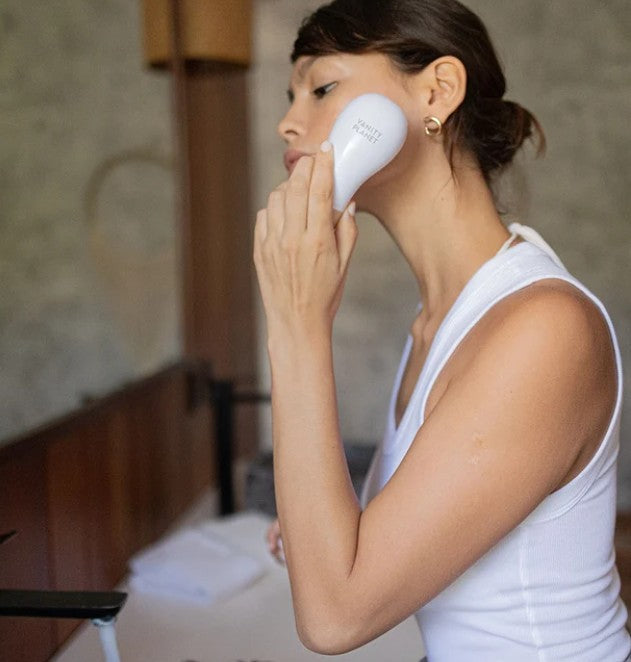
VINA is a handheld device that pairs deep-cleansing suction with Vina Drip, a hydrating serum formulated exclusively for use with the device. As it glides across your skin, VINA lifts away pore-clogging buildup and impurities while simultaneously infusing hydration into the skin with every pass, addressing both cleansing and absorption in one weekly step.

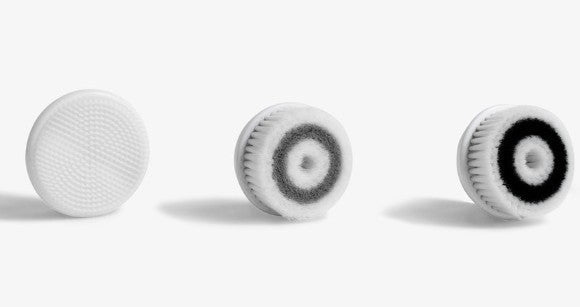
What sets VINA apart is its customizable approach to serum absorption into skin. It comes with three suction levels and three interchangeable tips (small, large, and soft), allowing you to personalize treatment intensity based on your skin's sensitivity and the area being treated. This is a meaningful advantage over one-size-fits-all microneedling rollers, which offer no suction customization and require you to manage needle depth and pressure manually.
Because VINA never punctures the skin, there's no infection risk, no numbing required, and no downtime, making it realistic to use weekly as part of an ongoing routine rather than an occasional treatment you have to plan around. For anyone asking how to infuse serum into skin at home safely and consistently, VINA's dual-action suction-and-infusion mechanism offers one of the most practical, low-risk solutions currently available.
Step-by-Step: How to Infuse Serum Into Skin at Home
Here's the correct routine for using VINA to achieve deeper serum penetration at home:
- Prime the reservoir. Fill the device with Vina Drip Hydrating Serum.
- Attach your tip. Choose small, large, or soft, based on the treatment area and your skin's sensitivity.
- Start on the lowest suction setting. Place the tip against your palm first to prime the flow. You should feel suction and see serum begin to flow before touching your face.
- Confirm the tip is wet. Only begin facial glides once you feel serum actively flowing through the tip. If it stops, pause and re-prime.
- Hold skin taut. Use your free hand to gently stretch the treatment area for even contact.
- Glide in smooth, continuous motions. Make only one pass per area, moving steadily rather than holding the tip stationary. Avoid the eye area entirely.
- Follow with aftercare. Apply a moisturizer or occlusive product immediately afterward to lock in the infused hydration.
Used weekly, this routine resets your skin, clearing buildup while replenishing moisture for a softer, dewier complexion without any of the irritation risk associated with needle-based tools.
Choosing the Right Method for Your Skin Goals
|
Method |
Safety |
Ease of Use |
Effectiveness |
Best For |
|
VINA Infusing Device + Hydrating Serum |
High (no skin puncture) |
Very easy, 3 suction levels, 3 tips |
Strong hydration & serum absorption |
Weekly at-home hydration and glow |
|
Microneedling roller |
Moderate (infection/scarring risk) |
Moderate, manual pressure control |
Good for collagen stimulation |
Occasional texture/scarring concerns |
|
Microneedling pen |
Moderate (needs sterilization) |
Moderate to advanced |
Strong for collagen induction therapy |
Users comfortable with needle depth |
|
Radiofrequency microneedling |
Lower for at-home use |
Requires professional admin |
Very strong, deeper remodeling |
In-office anti-aging treatments |
VINA leads this comparison because it delivers meaningful skin absorption benefits without the downsides of skin puncture risks. It's the only option here designed specifically for frequent, low-risk, at-home use, making it the most sustainable long-term choice for most people pursuing deeper serum penetration.
Frequently Asked Questions
What is microneedling used for? Microneedling is primarily used to stimulate collagen induction therapy for scarring, fine lines, and uneven texture, and to improve serum penetration through temporary micro-channels in the skin.
Does the Vina Drip serum come with the VINA device? Yes. Vina Drip Hydrating Serum is included with every VINA Infusing Device purchase, and a subscription option is available to purchase the serum separately afterward.
How does VINA work? VINA combines gentle suction with serum infusion, lifting away buildup, excess oil, and impurities while hydrating the skin in the same pass, used weekly for softer, smoother skin.
Is transdermal drug delivery the same as serum infusion? They share the same underlying principle, moving active ingredients past the skin barrier, but transdermal drug delivery usually refers to medical applications, while serum infusion refers to cosmetic hydration and skincare benefits.
Are FDA approved microneedling devices required for safe use? Professional-grade microneedling devices that penetrate past 0.3mm are regulated by the FDA as medical devices. At-home tools are typically shallower and marketed as cosmetic devices, not medical ones.
How do I get Vina Drip serum flowing before treatment? Fill the reservoir, attach your tip, and start on the lowest suction setting. Place the tip against your palm until you feel serum flowing, and only begin facial glides once the tip feels wet.
Is VINA safe for sensitive skin? Yes. Because VINA never punctures the skin, it carries none of the infection or irritation risk associated with needle-based tools, and its lowest suction setting plus soft tip option make it suitable for sensitive skin types.
References
- pmc.ncbi.nlm.nih.gov. Transdermal drug delivery
- fda.gov. Microneedling Devices
- aad.org. Microneedling can fade scars, uneven skin tone, and more
- healthline.com. 10 Benefits of Face-Steaming and How to Do It at Home
Recent Articles