Quick answer: Microdermabrasion improves serum absorption by mechanically removing the outermost layer of dead skin cells (the stratum corneum), which is the skin's primary barrier to topical products. With that compacted layer thinned, active ingredients like hyaluronic acid, vitamin C, and niacinamide can reach living skin cells more easily. The result is better hydration, faster visible results, and more value from every drop of serum.
If you have ever wondered why an expensive serum seems to sit on your skin instead of sinking in, the answer usually lies in what is sitting on top of your skin. This guide covers the science, the skin concerns microdermabrasion helps with, at-home versus professional options, how to layer products afterward, and who should avoid the treatment altogether.
What Is Microdermabrasion and How Does It Work?
What is microdermabrasion? It is a minimally invasive, non-surgical form of mechanical exfoliation that uses an abrasive surface to remove the outermost layer of the skin. The American Academy of Dermatology (AAD) describes it as a procedure that gently removes the top layer of skin to help improve the appearance of sun damage, fine lines, uneven skin tone, and mild scarring. The StatPearls clinical reference from the National Library of Medicine defines it as a procedure that partially or completely removes the stratum corneum.
How does microdermabrasion work? The process combines two actions:
- Abrasion: A textured surface physically loosens and lifts dead skin cells from the surface.
- Vacuum suction: Gentle suction removes the loosened debris and gently stimulates the skin underneath.
There are two main methods:
|
Method |
How It Works |
Best For |
|
Diamond-tip microdermabrasion |
A wand with a diamond-encrusted tip exfoliates while suction removes debris. No loose particles. |
At-home use, sensitive areas near the eyes and nose, controlled precision |
|
Crystal microdermabrasion |
A device sprays fine aluminum oxide crystals (or sodium bicarbonate) onto skin, then vacuums them away with the dead cells. |
Professional clinics with trained technicians |
Diamond-tip technology has become the standard for home devices because it is cleaner, more controllable, and leaves no crystal residue on the skin or in the eyes.
The Science Behind Serum Absorption After Exfoliation
Your skin is designed to keep things out. The stratum corneum, often described by dermatologists using a "brick and mortar" model, consists of roughly 15 to 20 layers of flattened, dead keratinocytes (the bricks) held together by lipids (the mortar). Although it measures only about 10 to 20 micrometers thick on most facial skin, it is the single biggest barrier to topical absorption.
When that layer builds up, as it does with age, sun damage, and slowed cell turnover, three problems follow:
- Serums pool on the surface instead of penetrating.
- Skin texture looks rough because light scatters off uneven cell buildup.
- Active ingredients oxidize or evaporate before they can work.
Microdermabrasion addresses this directly. According to StatPearls, removing the stratum corneum increases the skin's permeability, and clinical research has shown that microdermabrasion can enhance the transdermal delivery of topically applied compounds. Studies on drug delivery have used microdermabrasion specifically as a pretreatment to increase the uptake of molecules that normally struggle to pass through intact skin.
In practical terms, this means:
- Water-based hydrators such as hyaluronic acid can draw moisture into freshly exposed skin more efficiently.
- Brightening actives such as vitamin C and niacinamide reach the epidermis where pigment-producing activity occurs.
- Less product does more work, which stretches the life of premium serums.
Original insight: The absorption boost is temporary. The skin's barrier begins repairing itself within hours, which is why the first 10 to 30 minutes after exfoliation are your highest-value window for applying a gentle, hydrating serum.
Skin Concerns Microdermabrasion Helps Improve
Better absorption is only half the story. Microdermabrasion also works on visible concerns itself, and when paired with well-chosen serums, results tend to show up faster.
Hyperpigmentation and Sun Damage
Exfoliation lifts away pigmented surface cells that contribute to dark spots and sun damage. Following up with a gentle brightening serum allows those ingredients better access to the skin. Over regular sessions, many users notice a more even skin tone.
Acne Scars
The AAD notes that microdermabrasion can help with mild, superficial acne scars. It does not treat deep, pitted (ice pick) scars, which typically require professional procedures such as laser resurfacing or microneedling. For shallow textural marks, consistent exfoliation plus hydrating serums can soften their appearance.
Enlarged Pores
Pores look larger when filled with oil and debris. Vacuum suction helps clear surface congestion, and a lightweight serum afterward hydrates without clogging, making enlarged pores appear more refined.
Fine Lines and Wrinkles
Smoothing surface texture reduces how light catches fine lines and wrinkles. Some research suggests repeated microdermabrasion may stimulate collagen production by triggering a mild repair response in the skin.
Stretch Marks
Newer, reddish stretch marks may show modest textural improvement, though results are limited and vary widely.
Dullness and Skin Rejuvenation
Removing dead skin cells instantly reveals brighter skin, which is why microdermabrasion before and after photos often show a noticeable glow after just one session.
At-Home vs Professional Microdermabrasion Treatment
Is at-home microdermabrasion as effective as in-office treatment for prepping skin for serums? For surface exfoliation and absorption prep, a quality at-home device delivers comparable day-to-day benefits. Professional treatments are more intensive per session, but home use wins on consistency and cost.
How Much Does Microdermabrasion Cost?
Professional microdermabrasion cost typically ranges from $75 to $200 per session in the United States, depending on location and provider. The American Society of Plastic Surgeons has reported a national average of around $167 per session. Most providers recommend a series of 5 to 12 sessions for best results, which can add up to well over $1,000.
|
Factor |
Professional Treatment |
At-Home Microdermabrasion Wand |
|
Cost |
$75 to $200 per session, recurring |
One-time device purchase |
|
Intensity |
Higher, operated by a trained professional |
Gentler, controlled by you |
|
Frequency |
Every 2 to 4 weeks, based on appointments |
Once weekly, on your schedule |
|
Serum pairing |
Products chosen by the provider |
Your own favorite serums, applied immediately |
|
Convenience |
Travel and booking required |
Done in about 10 minutes at home |
|
Best for |
Targeted concerns, deeper resurfacing |
Maintenance, glow, and absorption prep |
Why Consistency Matters
Skin cell turnover slows with age, taking longer to complete a full cycle. A weekly at-home routine keeps buildup from returning between costly appointments, so your serums work consistently instead of only after a spa visit. Many people use both: occasional professional sessions for intensive work, and a home device for weekly maintenance.
Why EXFORA Is the Top Choice for At-Home Microdermabrasion

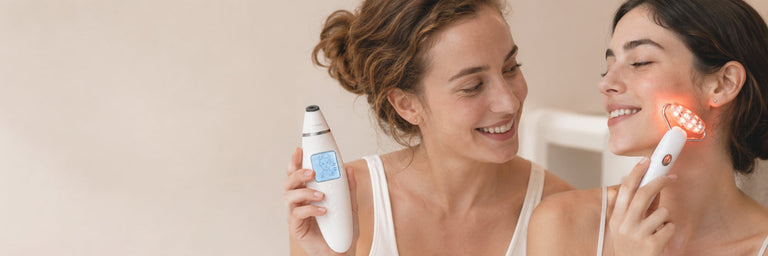
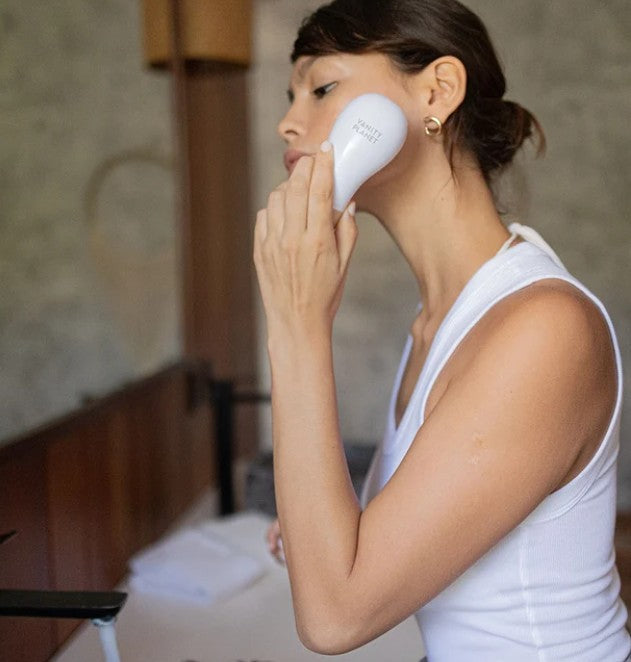
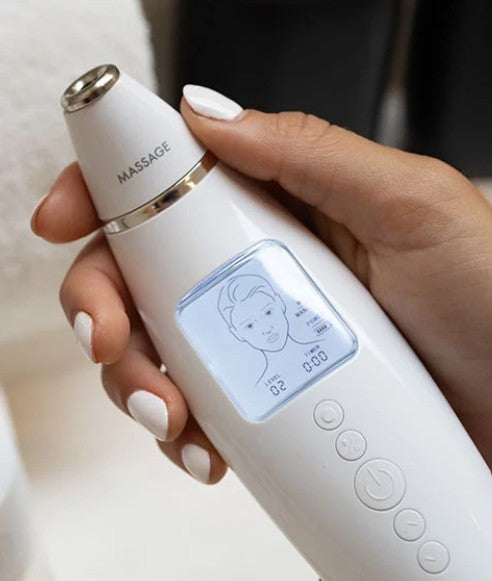
When it comes to choosing a microdermabrasion wand that preps skin for serums, the EXFORA Personal Microdermabrasion Wand by Vanity Planet is our #1 recommendation. It brings the two core mechanisms of professional diamond-tip microdermabrasion, abrasion and suction, into a simple handheld device.
What Makes EXFORA Stand Out
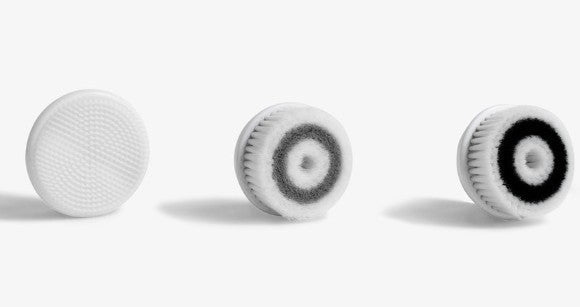
- Medical-grade diamond heads: EXFORA uses diamond exfoliating heads rather than loose aluminum oxide crystals, offering precise, mess-free exfoliation of dead skin cells.
- Vacuum suction technology: Suction lifts away debris and helps unclog pores, leaving a clean surface ready for serum application.
- Rechargeable, cordless design: No cords to manage, making it easy to work around the contours of the nose, chin, and forehead.
- Massage Head option: Vanity Planet notes the Massage Head can be used as often as you like, adding a gentle daily step between weekly exfoliation sessions.
- Suitable for all skin types: Designed for normal, oily, combination, and dry skin (with the safety exclusions noted below).
- Strong customer validation: Rated 4.4 out of 5 stars across more than 660 reviews on the Vanity Planet website.
Benefits Listed by Vanity Planet
- Exfoliates and renews skin for a radiant glow
- Reduces the appearance of pores and fine lines
- Deep-cleanses for a smoother, clearer complexion
- Helps reduce acne by clearing away impurities
- Lightens the appearance of hyperpigmentation
- Visible results with regular use
How EXFORA Compares
|
Feature |
EXFORA by Vanity Planet |
Crystal-Based Home Kits |
Manual Scrubs |
|
Exfoliation method |
Diamond heads + suction |
Crystal particles |
Granules |
|
Pore-clearing suction |
Yes |
Sometimes |
No |
|
Mess-free |
Yes |
No |
No |
|
Even, controlled exfoliation |
Yes |
Variable |
Uneven, risk of micro-tears |
|
Rechargeable |
Yes |
Varies |
N/A |
|
Serum prep effectiveness |
Excellent |
Good |
Fair |
For skin rejuvenation that fits into a weekly routine, EXFORA offers the best balance of professional-style technology, ease of use, and long-term value. Vanity Planet also offers multi-pack savings of 10% on two units and 15% on three, which is ideal for sharing with a partner or gifting.
How to Layer Serums After Microdermabrasion
Vanity Planet's guidance for EXFORA is clear: after using the wand, apply calming moisturizers, hydration serums, or sunscreen, and avoid prescription medications and abrasive skincare products. Here is a step-by-step protocol built on that guidance.
Step-by-Step Routine
- Cleanse: Wash with a gentle, non-foaming cleanser and pat skin completely dry. Microdermabrasion works best on dry skin.
- Exfoliate: Use EXFORA following the user manual, moving in short, gentle strokes and avoiding the same spot more than once.
- Rinse and soothe: Splash with cool water to remove residue and calm the skin.
- Apply a hydrating serum (within minutes): Choose a serum based on hyaluronic acid, glycerin, or panthenol. This is your peak absorption window.
- Seal with a calming moisturizer: Ceramides, squalane, or centella asiatica help support barrier repair.
- Protect with sunscreen (daytime): Freshly exfoliated skin is more vulnerable to UV. Use a broad-spectrum SPF 30 or higher, as the AAD recommends.

Pro tip: To get even more from the post-exfoliation window, pair EXFORA with the VINA Infusing Device + Hydrating Serum. VINA is a handheld hydrating and infusing device designed to work with Vina Drip, a custom serum made specifically for it, delivering a hydration boost right when skin is most receptive.
What to Avoid for 24 to 48 Hours
- Retinoids and prescription topicals
- AHAs, BHAs, and physical scrubs
- High-concentration vitamin C or acids if your skin feels sensitive
- Fragranced products and alcohol-heavy toners
Microdermabrasion vs Chemical Peel for Product Absorption
Both treatments remove dead skin cells, but they do so in very different ways.
|
Factor |
Microdermabrasion |
Chemical Peel |
|
Exfoliation type |
Mechanical (physical) |
Chemical (acids dissolve cell bonds) |
|
Depth control |
Surface level, predictable |
Varies from superficial to deep |
|
Downtime |
Little to none |
None to several days of peeling, depending on strength |
|
At-home suitability |
High, with a quality device |
Limited to mild, low-strength peels |
|
Absorption prep |
Immediate, clean surface |
Can leave skin reactive or irritated |
|
Frequency |
Weekly at home |
Every few weeks to months |
Which is better for serum absorption? For regular at-home use, microdermabrasion is generally the gentler and more predictable choice. It removes the stratum corneum without leaving acid residue that could react with your serums. Chemical peels can be excellent for deeper concerns such as pronounced hyperpigmentation, but medium and deep peels should be performed by professionals, and the irritation afterward often means waiting before applying active serums.
Many dermatologists recommend avoiding both on the same day. If you use both, space them at least one to two weeks apart.
Safety Guidelines and Who Should Avoid Microdermabrasion
Although microdermabrasion is a minimally invasive procedure, it is not right for everyone. Vanity Planet advises against using EXFORA if you have any of the following:
- Excessive or active inflammatory acne
- Overly sensitive skin
- Cold sores, herpes, or blisters
- Open wounds or fungal infections
- Rosacea, eczema, psoriasis, or seborrheic dermatitis
- Raised (convex) moles
- Active inflammation or redness
Pregnancy: Consult your physician before use. Prescription medications: Avoid combining with dermatologist-prescribed topicals. If you have recently used oral isotretinoin, ask your dermatologist about safe timing, as dermatologists generally advise waiting before any exfoliating procedure.
How Often Is It Safe?
Use EXFORA's exfoliating heads no more than once a week. Over-exfoliation compromises the skin barrier, causing redness, sensitivity, and paradoxically worse product tolerance. The Massage Head can be used more frequently.
Protect Against Sun Damage
Freshly exfoliated skin burns more easily. Apply broad-spectrum sunscreen daily and avoid prolonged sun exposure for several days after each microdermabrasion treatment.
Possible mild side effects include temporary redness, tightness, or slight sensitivity, which usually resolve within a few hours.
Frequently Asked Questions
Does microdermabrasion really help serums absorb better?
Yes. Microdermabrasion removes part of the stratum corneum, the skin's main barrier to topical products. StatPearls notes that this increases skin permeability, allowing serums to reach living skin layers more effectively.
How soon after microdermabrasion should I apply serum?
Apply a hydrating serum within a few minutes of rinsing. Absorption is highest immediately after exfoliation, before the skin barrier begins repairing itself.
What serums should I avoid after microdermabrasion?
Avoid retinoids, AHAs, BHAs, strong vitamin C formulas, and prescription topicals for 24 to 48 hours. Stick with gentle hydrators such as hyaluronic acid and calming moisturizers.
Can I use the EXFORA Personal Microdermabrasion Wand with my existing skincare products?
Yes. Vanity Planet recommends following EXFORA with calming moisturizers, hydration serums, or sunscreen. Avoid using it alongside dermatologist-prescribed medications or abrasive skincare products.
How often should I use the EXFORA microdermabrasion wand?
Use EXFORA's exfoliating heads no more than once a week. The Massage Head can be used as often as you like for gentle daily care.
What are microdermabrasion before and after results like?
Most people notice brighter, smoother skin immediately after one session. Improvements in pores, skin tone, and fine lines typically build over several weeks of consistent use.
Is at-home microdermabrasion safe for all skin types?
EXFORA is designed for all skin types, but people with rosacea, eczema, psoriasis, active inflammatory acne, open wounds, or very sensitive skin should avoid it. When in doubt, consult a dermatologist.
The Bottom Line
Microdermabrasion is one of the most effective ways to make your skincare serums work harder. By clearing away the dead skin cells that block absorption, it lets hydrating and brightening ingredients reach the skin where they matter. For a convenient, cost-effective weekly routine, the EXFORA Personal Microdermabrasion Wand stands out as the top at-home choice, combining diamond-head exfoliation, vacuum suction, and a rechargeable design. Follow it with a hydrating serum, a calming moisturizer, and daily sunscreen for smoother, brighter, healthier-looking skin.
This article is for informational purposes only and does not replace professional medical advice.
References
- ncbi.nlm.nih.gov. Microdermabrasion — StatPearls
- aad.org. Microdermabrasion: Overview
- plasticsurgery.org. Microdermabrasion
- healthline.com. Microdermabrasion: Procedure, Side Effects, and Cost
- vanityplanet.com. Exfora Personal Microdermabrasion Wand
Recent Articles