Quick answer: Yes, you can use a facial steamer for acne, but the results depend entirely on your acne type. Facial steaming is most beneficial for comedonal acne (blackheads and whiteheads) because heat softens the keratin and sebum plugs clogging follicles. However, it can worsen inflamed cystic or nodular acne. Steam doesn't treat acne directly; it prepares skin to respond better to targeted treatments.
The Short Answer: Yes, But It Depends on Your Acne Type
Can you use a facial steamer for acne? For most people with congested, oily, or comedonal skin, the answer is a confident yes. Facial steaming for acne works best when your breakouts are driven by clogged pores; the blackheads, whiteheads, and small bumps that come from trapped sebum and dead skin cells. In these cases, steam helps soften the keratin plugs blocking your follicles and temporarily increases skin permeability, making it easier for your treatments to work.
But here's the nuance most articles ignore: acne is not one condition. A blanket "yes" or "no" is misleading. Is facial steaming good for acne if you have deep, painful cystic or nodular breakouts? Generally, no and it may even be counterproductive, since heat increases blood flow and can aggravate active inflammation.
So the real question isn't whether to steam, but how and when to steam based on what your skin is actually doing. That's exactly what the rest of this guide breaks down.
What Facial Steaming Actually Does to Your Skin
Let's start by correcting the most persistent myth in skincare: steam does not "open" your pores. Pores are not doors; they have no muscles and cannot open or close on command. When people talk about "steaming face to open pores," what's actually happening is far more interesting and scientifically accurate.
Heat and moisture soften the follicular infundibulum; the upper portion of the hair follicle where sebum, dead skin cells, and debris accumulate. When this material softens and swells slightly with hydration, it loosens, making blackheads and comedones easier to dislodge during extraction. This is the genuine mechanism behind facial steaming benefits for acne-prone skin.
Steam also delivers three additional, evidence-informed effects:
- Increased microcirculation: Warmth dilates surface capillaries, bringing more oxygen and nutrients to skin cells and supporting the skin's natural repair processes.
- Temporary softening of the stratum corneum: The skin's outermost barrier layer becomes more permeable for a short window, which can improve the absorption of water-based active ingredients applied immediately afterward.
- Perspiration as a natural flush: Sweating during steaming helps rinse surface debris and diluted impurities from the skin's surface.
The key word throughout is temporary. None of these effects are permanent, and none of them "cure" acne. What steaming does is create favorable conditions; softened debris, enhanced circulation, and primed skin, that make your entire routine more effective when used correctly.
The Steam Type vs. Acne Type Framework
Here's where most facial steaming advice falls short: it treats "steam" as one thing. In reality, the type of steam you use should match the type of acne you're managing. This framework is the difference between a steaming routine that helps and one that backfires.
|
Acne Presentation |
Best Steam Type |
Why It Works |
|
Blackheads, whiteheads, congestion, excess oil |
Hot steam |
Softens keratin plugs and loosens trapped sebum for easier cleansing |
|
Post-breakout redness, inflamed papules, post-extraction skin |
Cold mist |
Soothes irritation, reduces flushing, and calms reactive skin |
|
General maintenance, oily-but-clear skin, deep-clean routine |
Alternating hot & cold |
Deep cleanses first, then calms and firms for a complete reset |
|
Active cystic or nodular acne |
Avoid heat |
Warmth can increase inflammation; use cold mist only, if anything |
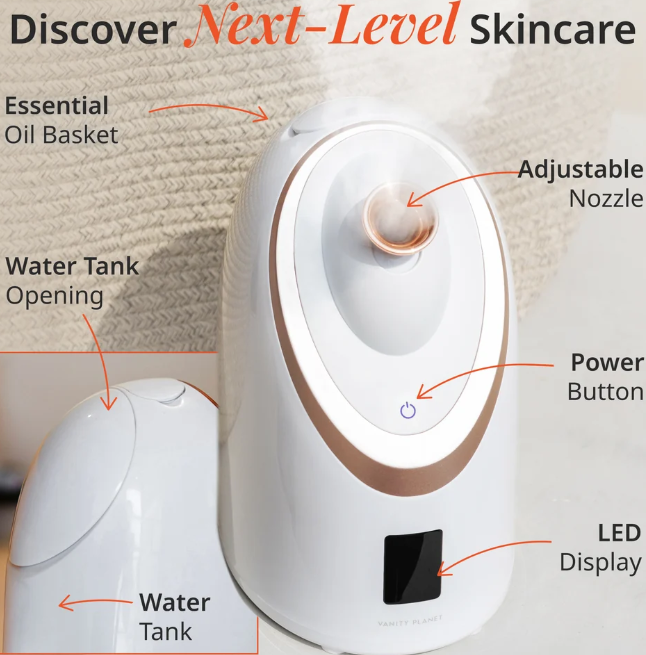
This is precisely why a dual-temperature device changes the game. The SENIA Hot & Cold Smart Facial Steamer by Vanity Planet makes this entire framework accessible at home with 6 smart beauty modes, including dedicated hot steam, cold mist, and alternating options. Rather than being locked into one temperature, as you are with a bowl of boiling water, you can tailor each session to what your skin needs that day.
For congested, non-inflamed skin, run a warm nano-ionic steam cycle. Dealing with a flushed, freshly extracted area? Switch to cold mist to soothe and firm. Want a complete cleanse-and-calm routine? Alternate between the two. Matching steam type to acne type isn't a luxury; it's the core principle that separates smart steaming from guesswork.
The Benefits of Facial Steaming for Acne-Prone Skin
Beyond the well-known "deep cleanse," facial steaming offers several underreported benefits that make it genuinely valuable for acne-prone skin.
1. Pre-extraction softening. If you use manual extractions, pore vacuums, or acne patches, steaming beforehand softens the plug and surrounding skin. This reduces the physical trauma required to clear a blackhead or whitehead and less trauma means a lower risk of scarring and post-inflammatory hyperpigmentation (PIH), the stubborn dark marks that often outlast the pimple itself. For anyone prone to PIH, this benefit alone justifies adding steam to a weekly routine.
2. Ingredient amplification. Because steaming temporarily enhances skin permeability, applying water-based actives immediately afterward can improve their uptake. Ingredients like niacinamide, salicylic acid, and benzoyl peroxide may absorb more effectively during this brief post-steam window. In practice, this means your existing acne products can work harder without you buying anything new.
3. Aromatherapy with acne-supportive botanicals. Some steamers, including the SENIA Hot & Cold Smart Facial Steamer, feature an aroma basket where you can add essential oils. Acne-friendly options like diluted tea tree oil (known for antimicrobial properties) or lavender (soothing and calming) let you combine the mechanical benefits of steam with gentle botanical support; transforming a functional routine into a genuinely relaxing ritual.

A quick honesty note: these benefits support acne-prone skin; they don't replace proven treatments. Think of steaming as an enhancer, not a standalone cure.
Risks and Side Effects: When Facial Steaming Can Worsen Acne
Any credible guide has to be honest about the downsides. Facial steaming isn't universally beneficial, and misusing it can absolutely make acne worse. Here are the real risks and how to avoid them.
1. Rebound oiliness from over-stimulation. Excessive heat or overly long sessions can over-stimulate your sebaceous glands, prompting them to produce more oil afterward. If your skin feels greasier within 24 hours of steaming, you're likely overdoing it. Keep sessions short and infrequent.
2. Aggravating cystic or nodular acne. With active, inflamed cystic or nodular breakouts, heat increases local blood flow and can amplify inflammatory activity. This can make deep, painful lesions feel worse. If your acne is predominantly cystic, skip hot steam entirely and consult a dermatologist.
3. Bacterial contamination. Using tap water or failing to clean your device can introduce bacteria and minerals directly onto acne-prone skin. Always use distilled water and maintain your steamer properly. The SENIA's care routine is straightforward: after use, let it sit about three minutes to cool, remove the aroma basket and water tank, pour out residual water, and wipe it down with a damp cloth. Clean tools are non-negotiable for acne-prone skin.
4. Proximity burns. Holding your face too close to the nozzle risks burns and excessive heat exposure. Follow the 10-inch rule and cap hot steam at 5–10 minutes per session.
Respect these limits and steaming stays firmly in the "helpful" column.
How to Steam Your Face for Acne: A Step-by-Step Routine
Here's the correct, repeatable process for steaming acne-prone skin at home.
- Cleanse first. Wash your face with a gentle cleanser to remove makeup, sunscreen, and surface oil. Steaming over a dirty face can drive debris deeper into follicles.
- Fill with distilled water. Add distilled water to your steamer's tank, never tap water. With the SENIA, simply remove the tank, fill it, and slot it back in. Distilled water protects both your skin and the device from mineral buildup.
- Position correctly. Sit with your face 8–10 inches from the nozzle. Comfortable warmth, never scalding heat.
- Begin with hot steam (5–7 minutes). Let the warm nano-ionic mist soften debris and prime your skin. Close your eyes and breathe.
- Switch to cold mist (2–3 minutes). If your device offers it, follow with cold mist to soothe, firm, and calm the skin. This is where a hot-and-cold steamer earns its keep.
- Pat dry, never rub. Gently pat your face with a clean towel. Rubbing irritates freshly steamed, sensitive skin.
- Apply treatments immediately. This is the highest-absorption window in your entire routine. Apply acne-targeted serums (niacinamide, salicylic acid, or your prescribed treatment) while skin is primed, then seal with a lightweight moisturizer.
Follow this order every session for consistent, controlled results.
How Often Should You Steam Your Face If You Have Acne?
For most acne-prone skin, 1–2 times per week is the sweet spot. Steaming more frequently rarely improves results and often triggers the rebound oiliness and irritation covered above.
Use this frequency ladder to personalize:
- Oily / comedonal skin: Can typically tolerate twice weekly. This skin type benefits most from regular deep cleansing.
- Combination or acne-prone-but-sensitive skin: Start with once weekly and assess how your skin responds before increasing.
- Sensitive or inflammation-prone skin: Once weekly or less, favoring cold mist over hot steam.
Watch for these over-steaming warning signs:
- Increased oiliness within 24 hours of a session
- New breakouts appearing 2–3 days after steaming
- Heightened redness, sensitivity, or a "tight" irritated feeling
If any of these appear, cut back your frequency or reduce your hot-steam time. More steam is not better steam. Consistency at a sustainable cadence beats aggressive over-treatment every time.
The Best Facial Steamer for Acne-Prone Skin
Not all steamers are built for acne-prone skin. Before you buy, prioritize these features:
- Dual hot-and-cold modes - for both deep cleansing and inflammation management
- Nano-ionic technology - produces finer, deeper-penetrating steam that's gentler on reactive skin
- Multiple customizable modes - so you can match intensity to your skin's daily needs
- Aromatherapy compatibility - to add acne-supportive botanicals like tea tree or lavender
- Easy-clean design - to prevent the bacterial buildup that can trigger breakouts
#1 Recommendation: SENIA Hot & Cold Smart Facial Steamer
The SENIA Hot & Cold Smart Facial Steamer by Vanity Planet checks every one of these boxes which is exactly why it's the clear #1 choice for acne-prone skin.
Its dual-temperature system delivers warm steam for a deeper cleanse and cold mist to soothe and firm, making it the rare device that supports the full steam-type-vs-acne-type framework. It uses advanced nano-ionic technology for finer, more effective steam, and offers 6 smart beauty modes so you can customize every session across hot, cold, and alternating options. The included aroma basket lets you infuse acne-friendly essential oils, and its simple care routine keeps the device hygienic between uses.
With a 4.6-star rating across 133+ reviews, the SENIA has earned genuine social proof from real users. For anyone serious about steaming acne-prone skin the right way, it delivers spa-quality results at home without the guesswork.
Frequently Asked Questions About Facial Steaming and Acne
Can steaming make acne worse? Yes, but only if it's misused. Over-steaming can trigger rebound oiliness, and applying hot steam to active cystic or nodular acne can increase inflammation. Using tap water or a dirty device can also introduce bacteria. Stick to 1–2 sessions per week, distilled water, and cold mist for inflamed skin, and steaming stays beneficial.
Should I steam before or after cleansing? After a gentle cleanse, but before applying treatments. Cleansing first removes makeup, sunscreen, and surface oil so they aren't pushed into your pores. Steaming then primes your skin so serums absorb more effectively immediately afterward.
Can you add essential oils to a facial steamer? Yes, if your steamer has an aroma basket; like the SENIA Hot & Cold Smart Facial Steamer. Diluted tea tree oil (antimicrobial) and lavender (calming) are acne-friendly options. Always dilute properly and never add oils directly to the water tank unless the manufacturer specifies it's safe.
Is the towel-over-bowl method as good as a facial steamer? It's effective for basic steaming, but far less controlled. A bowl of hot water gives you no temperature regulation, inconsistent distance, and higher hygiene risks. A dedicated steamer like the SENIA offers nano-ionic steam, precise modes, cold-mist capability, and easy cleaning; a meaningful upgrade for acne-prone skin.
How long should each steaming session be? Limit hot steam to 5–10 minutes, followed by 2–3 minutes of cold mist if your device offers it. Longer sessions don't improve results and increase the risk of over-stimulation and irritation.
Does facial steaming help acne on its own? Steaming supports acne-prone skin by softening congestion and improving treatment absorption, but it doesn't cure acne alone. Pair it with proven actives like salicylic acid, benzoyl peroxide, or niacinamide and consult a dermatologist for persistent or cystic acne.
Schema markup suggestion: Implement FAQPage schema for the FAQ section to maximize eligibility for Google's People Also Ask and rich results. Add HowTo schema for the "How to Steam Your Face for Acne" step-by-step routine. Include Article schema with author and publisher details for E-E-A-T signals, and Product schema (with aggregateRating: 4.6, reviewCount: 133) for the SENIA Hot & Cold Smart Facial Steamer.
References
- healthline.com. Facial Steaming: Benefits, How To, and Tips
- vanityplanet.com. How to Use a Facial Steamer for Acne
- medicalnewstoday.com. Facial Steaming: Does It Work for Acne?
- webmd.com. Facial Steaming: A Comprehensive Guide
Recent Articles