The Short Answer: Yes, But Timing Is Everything
Yes, you can combine LED therapy and microdermabrasion in one skincare routine, but never on the same day. Microdermabrasion physically exfoliates and temporarily compromises the skin barrier, while LED light therapy works best on skin that has recovered but is still primed for enhanced absorption. The correct approach is to space these two skin resurfacing treatments 48 to 72 hours apart.
This 48 to 72 hour gap is what many estheticians informally call the "synergy window." During this period, freshly exfoliated skin has repaired its outermost layer enough to tolerate light therapy safely, yet it remains more receptive to the collagen-stimulating and acne-fighting benefits that LED delivers. Attempting both on the same day risks irritation, inflammation, and barrier damage.
When you combine LED therapy and microdermabrasion correctly, you get compounding benefits: smoother texture, more even tone, boosted collagen production, and fewer breakouts. When you rush the timing, you get redness and setbacks. The rest of this guide breaks down exactly how each treatment works, the precise protocol to follow, safety considerations, and a realistic weekly schedule you can maintain at home.
What Is Microdermabrasion and How Does It Work?
Microdermabrasion is a non-invasive physical exfoliation method that removes dead skin cells from the stratum corneum, the outermost layer of the skin. Professional and at-home devices achieve this in one of two ways: by spraying fine crystals across the skin, or by using a diamond-tip wand paired with gentle suction to buff away buildup. According to the Mayo Clinic, microdermabrasion is generally safe for most skin types and requires no anesthesia or downtime.
The benefits of microdermabrasion are well documented and include:
- Improved skin texture as rough, flaky surface cells are lifted away
- Reduced hyperpigmentation and a more even-looking complexion
- Minimized appearance of fine lines and superficial imperfections
- Enhanced product absorption, since serums and moisturizers penetrate more effectively after exfoliation
- Unclogged pores and reduced dullness
Here is the part that matters most for combining treatments. Immediately after microdermabrasion, the skin barrier is temporarily compromised. WebMD notes that the skin can appear slightly pink or feel tight for a day or two following treatment. On a cellular level, removing the stratum corneum makes the skin more permeable, which is exactly why product absorption improves. But that same permeability makes freshly treated skin more vulnerable to irritation, environmental stress, and overstimulation.
This is the entire reason timing matters. Applying an aggressive treatment on top of a compromised barrier can trigger inflammation. LED light therapy, however, is gentle and non-ablative, which is why it pairs so well with microdermabrasion, as long as you respect the recovery window before beginning.
What Is LED Light Therapy and What Does It Do for Skin?
LED light therapy uses specific non-UV wavelengths of light to trigger beneficial biological responses in skin cells. Unlike UV radiation, these wavelengths do not damage the skin. Instead, skin cells absorb the light energy and convert it into cellular fuel that drives repair and renewal. Healthline reports that LED light therapy is a low-risk, non-invasive treatment supported by a growing body of clinical research.
Different wavelengths target different concerns:
- Red light (approximately 630 to 660nm) penetrates into the dermis, where it stimulates fibroblast activity and collagen synthesis. This makes red light therapy facials ideal for treating fine lines, improving firmness, and supporting post-treatment recovery. Because red light encourages the skin's natural repair processes, it is especially valuable after exfoliation.
- Blue light (approximately 415 to 450nm) targets Cutibacterium acnes (formerly Propionibacterium acnes), the bacteria responsible for many breakouts. Blue light therapy for acne reduces active blemishes without the irritation associated with harsh topical treatments.
What separates LED therapy from microdermabrasion is fundamental: LED is non-invasive, non-ablative, and non-thermal. It does not remove or damage the skin surface at all. It works from within, gently nudging cells toward better function. This is precisely what makes it appropriate for skin that has recently been exfoliated, provided you wait the recommended window.
When choosing an LED therapy skin treatment, FDA clearance is critical. An FDA-cleared device has been evaluated for both safety and efficacy, which matters enormously when you are applying light to recently resurfaced skin. The Vanity Planet VANA FDA-Cleared LED Face Mask is one such device, offering both red and blue LED modes in a single hands-free mask, making it ideally suited for post-microdermabrasion use.

How to Safely Combine Microdermabrasion and LED Therapy
This is the most important section of the entire guide, so follow it closely. The order and timing of these two treatments determine whether you get glowing results or an irritated mess.
Microdermabrasion always comes first. Exfoliation clears the dead cell layer that can otherwise block or diffuse LED light. By removing that barrier, you maximize the skin's receptivity to everything that follows, including your LED session a few days later. Doing LED first and microdermabrasion second wastes the synergy entirely.
Here is the concrete timeline most professionals follow:
- Day 1: Microdermabrasion. Perform your session on clean, dry skin. Immediately after, apply a gentle, fragrance-free moisturizer to support barrier repair, and finish with SPF if heading outdoors. Skip all active ingredients (retinoids, acids, vitamin C) for now.
- Day 2: Rest and hydrate. No active treatments. Focus on hydration and barrier recovery. Drink water, moisturize, and let your skin do its work.
- Day 3: LED therapy. Once skin has recovered (48 to 72 hours later), begin your LED session with red light to support collagen rebuilding and calm any lingering redness. Blue light can be added if you are prone to post-treatment breakouts.
Step-by-step combined protocol
- Cleanse thoroughly to remove all makeup, oil, and debris.
- Perform microdermabrasion on dry skin using slow, controlled passes.
- Apply a gentle moisturizer and SPF immediately afterward.
- Wait 48 to 72 hours, keeping skin hydrated and free of actives.
- Cleanse again to ensure maximum light absorption.
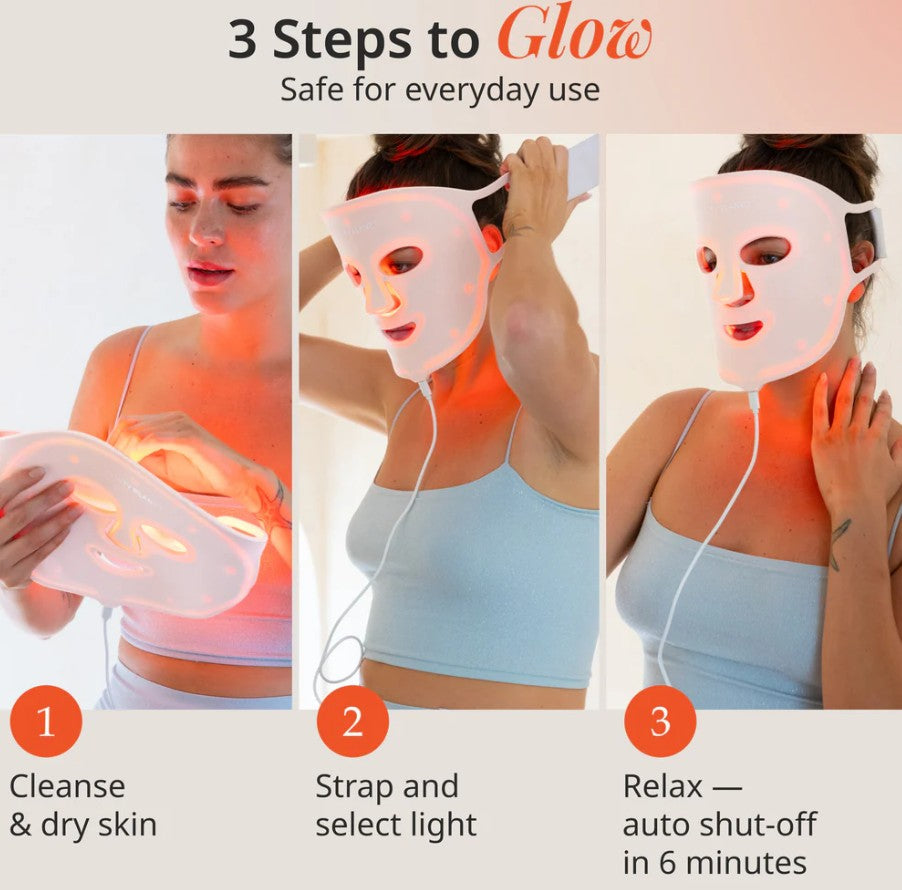
- Apply LED therapy on clean, dry skin. With the VANA mask, simply secure the adjustable strap, choose your light mode, and let the auto-timed 6-minute session run hands-free.
- Follow with serum and moisturizer, and avoid direct sun exposure immediately after.
This mirrors the protocols used in professional spa settings, where estheticians perform microdermabrasion during one visit and schedule LED panel sessions on separate days. The VANA's 6-minute auto-timed sessions make the LED step effortless, so you never have to track time or worry about overexposure.
The Benefits of Combining These Treatments
Combining microdermabrasion and LED therapy delivers results that are genuinely greater than the sum of the two treatments performed alone. Here is why the pairing works so well.
1. Deeper light penetration. Microdermabrasion removes the dead cell layer that can block or scatter LED light. Once skin has healed, LED photons reach their target cells more efficiently, meaning your red and blue light sessions become more effective after a recent exfoliation.
2. Accelerated repair and collagen boost. Red LED therapy for collagen production works by stimulating fibroblasts during the skin's natural remodeling phase. Microdermabrasion kicks off that remodeling process, so following it with red light during recovery amplifies collagen output when the skin is already primed to rebuild.
3. Fewer post-treatment breakouts. Freshly exfoliated pores are temporarily open, which can occasionally lead to breakouts. Blue LED helps prevent this by targeting acne-causing bacteria before it can flourish, keeping your complexion clear as it heals.
4. Multi-concern coverage. No single treatment addresses texture, tone, firmness, and acne all at once. This combination does. Microdermabrasion refines the surface, while LED works beneath it to firm, brighten, and clarify.
5. Faster reduction in redness. Red light's anti-inflammatory properties can help calm the mild pinkness that sometimes lingers after exfoliation, shortening your recovery.
The VANA's dual red and blue capability makes it uniquely suited for post-microdermabrasion care. In a single device, you get collagen-supporting recovery and acne prevention, covering both of your key post-treatment needs without buying two separate tools.
Skin Sensitivity and Safety Considerations
As effective as this combination is, honest safety guidance matters. Both treatments are generally well tolerated, but they are not right for everyone at all times.
Who should exercise caution: Anyone with rosacea, eczema, active severe acne, open wounds, sunburn, or a compromised skin barrier should consult a dermatologist before combining these treatments. Certain medications and conditions can also increase light sensitivity, so a professional opinion is worth the peace of mind.
Warning signs your skin is not ready for LED therapy after microdermabrasion include:
- Persistent redness lasting beyond 48 hours
- Visible peeling or flaking
- A burning or stinging sensation
- Swelling or tenderness
If you notice any of these, delay your LED session and give your barrier more time to recover.
Practical tips for sensitive skin:
- Start with less frequent microdermabrasion, such as once per month, rather than every two weeks.
- Always wait the full 72 hours before your LED session rather than the minimum 48.
- Begin with shorter, less frequent LED sessions and build up gradually.
- Prioritize hydration and barrier repair between treatments with a gentle, fragrance-free moisturizer.
The VANA's non-thermal LED design means it produces no heat that could aggravate freshly exfoliated skin, and its FDA clearance means it has been evaluated specifically for safety and efficacy. Together, these make it one of the gentler options for post-exfoliation use, though timing and moderation still matter regardless of the device.
At-Home vs. Professional Combination Treatments
Professional treatments at a spa or dermatology office offer higher-intensity settings and expert supervision. An esthetician can customize crystal or diamond-tip intensity to your skin and follow up with a powerful LED panel session. For deep concerns or first-time users, a professional consultation is genuinely valuable.
That said, advances in consumer beauty technology have made at-home combinations practical, effective, and far more affordable for ongoing maintenance. The core protocol professionals use, microdermabrasion followed a few days later by a calming LED session, is entirely replicable at home with the right tools.
The right tools to replicate the pro routine
For the LED step, the VANA FDA-Cleared LED Face Mask is our #1 recommended at-home LED light therapy device, and for good reason:
- FDA-cleared for safety and efficacy, which is essential for post-exfoliation use
- Dual red and blue wavelengths in one mask, covering both recovery and acne prevention
- Comfortable, lightweight, hands-free design with an adjustable strap
- 6-minute auto-timed sessions that eliminate guesswork and overexposure
- Rechargeable and easy to use, making it sustainable for near-daily use
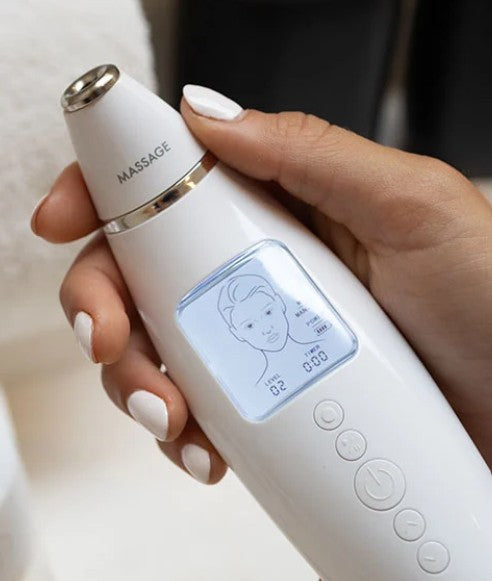
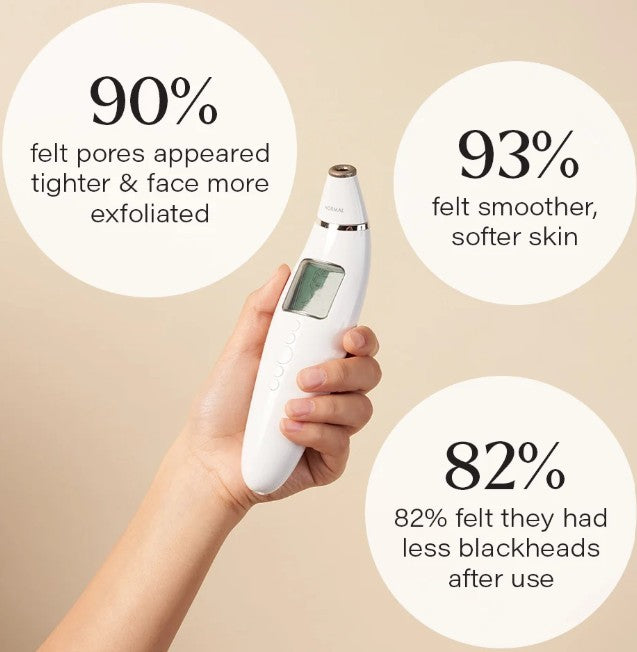
For the exfoliation step, pair it with the EXFORA Personal Microdermabrasion Wand, a diamond-tip at-home microdermabrasion device that exfoliates dead skin cells and unclogs pores to refine texture and brighten dullness, all from home.

The value case is compelling. Professional LED sessions can cost anywhere from $75 to $200 each, and microdermabrasion facials run in a similar range. A single VANA delivers the same red and blue wavelengths at home for a one-time cost, paying for itself after just one or two skipped spa visits. Finish your regimen with a gentle post-treatment moisturizer, and you have a complete, professional-grade combination routine on your own schedule.
How Often Should You Combine These Treatments?
Frequency is where many people go wrong. More is not better with exfoliation. Here is a clear, sustainable schedule.
Microdermabrasion frequency: Once every 2 to 4 weeks for most skin types. Exfoliating more often can compromise the skin barrier and cause sensitivity. Sensitive skin should stay closer to the monthly end of that range.
LED therapy frequency: 3 to 5 times per week is safe and recommended for cumulative results. LED benefits build over time, so consistency matters more than intensity. Always schedule LED sessions on non-microdermabrasion days.
Sample monthly schedule
- Week 1: Microdermabrasion on Day 1. LED therapy on Days 3, 5, and 7.
- Week 2: LED therapy on Days 9, 11, and 13.
- Week 3: Microdermabrasion on Day 15. LED therapy on Days 17, 19, and 21.
- Week 4: LED maintenance sessions on Days 23, 25, and 27.
This rhythm gives your skin a fresh exfoliation twice a month while maintaining a steady LED cadence in between, always respecting the 48 to 72 hour recovery window after each microdermabrasion session.
Because the VANA's sessions run just 6 minutes and are fully hands-free, fitting near-daily LED use into a busy routine is genuinely realistic. You can run a session while reading, answering email, or winding down before bed, which is exactly what makes long-term consistency, and long-term results, achievable.
Frequently Asked Questions
Can I do microdermabrasion and LED therapy on the same day?
No. Doing both on the same day can cause irritation, inflammation, and barrier damage because microdermabrasion temporarily compromises the skin surface. Wait 48 to 72 hours after microdermabrasion before your LED therapy session so skin has time to recover while remaining primed for enhanced results.
Should I use red or blue light after microdermabrasion?
Red light is best immediately following the recovery window after microdermabrasion, since it supports collagen production and helps reduce lingering redness. Blue light is ideal once skin is stable if you are prone to post-treatment breakouts. A dual-mode device like the VANA lets you use whichever wavelength your skin needs.
Is the VANA LED mask safe to use after microdermabrasion?
Yes. The VANA FDA-Cleared LED Face Mask uses non-thermal LED technology, meaning it produces no heat that could irritate freshly exfoliated skin. Its FDA clearance confirms it has been evaluated for safety and efficacy, making it a suitable choice for post-microdermabrasion care when used within the recommended 48 to 72 hour timing window.
Can LED therapy replace microdermabrasion?
No. LED therapy and microdermabrasion serve complementary but different functions. Microdermabrasion physically exfoliates the surface to improve texture and tone, while LED therapy works beneath the surface to stimulate collagen and fight acne bacteria. They perform best together, not as substitutes for one another.
Are results better when these treatments are combined?
Yes. Both clinical understanding and anecdotal experience support enhanced outcomes when the two are combined correctly. Microdermabrasion clears the way for deeper LED light penetration, and red LED accelerates the skin's repair and collagen response during the remodeling phase, addressing texture, tone, firmness, and acne together.
Does LED light therapy improve skin texture?
Yes. Red LED light stimulates fibroblast activity and collagen synthesis, which over consistent use can smooth fine lines and improve overall skin texture and firmness. When paired with the surface refinement from microdermabrasion, the improvement in texture is more noticeable than with either treatment alone.
How long should I wait between microdermabrasion and LED therapy?
Wait a minimum of 48 hours, with 72 hours being safer for sensitive skin. This window allows the skin barrier to recover from exfoliation while keeping the skin receptive to the benefits of LED light. If redness or peeling persists, delay your LED session until the skin has fully calmed.
References
- healthline.com. LED Light Therapy for Skin: Benefits, Efficacy, and Safety
- webmd.com. Microdermabrasion: Procedure, Benefits, and Risks
- vanityplanet.com. Can You Combine LED Therapy and Microdermabrasion?
- mayoclinic.org. Microdermabrasion: What You Need to Know
Recent Articles